‘Mutual Funds Sahi Hai, But Asset Allocation Zaruri Hai’: Why NS Venkatesh Wants Investors To Bet On InvITs
Infrastructure Investment Trusts (InvITs) are emerging as an investment option for Indians seeking regular income and long-term wealth creation. In an exclusive conversation with Sheryll D’Souza of The Free Press Journal, NS Venkatesh , CEO of Bharat InvITs Association, explains how investors can own infrastructure assets, earn distributions, diversify portfolios and participate in India's growth…
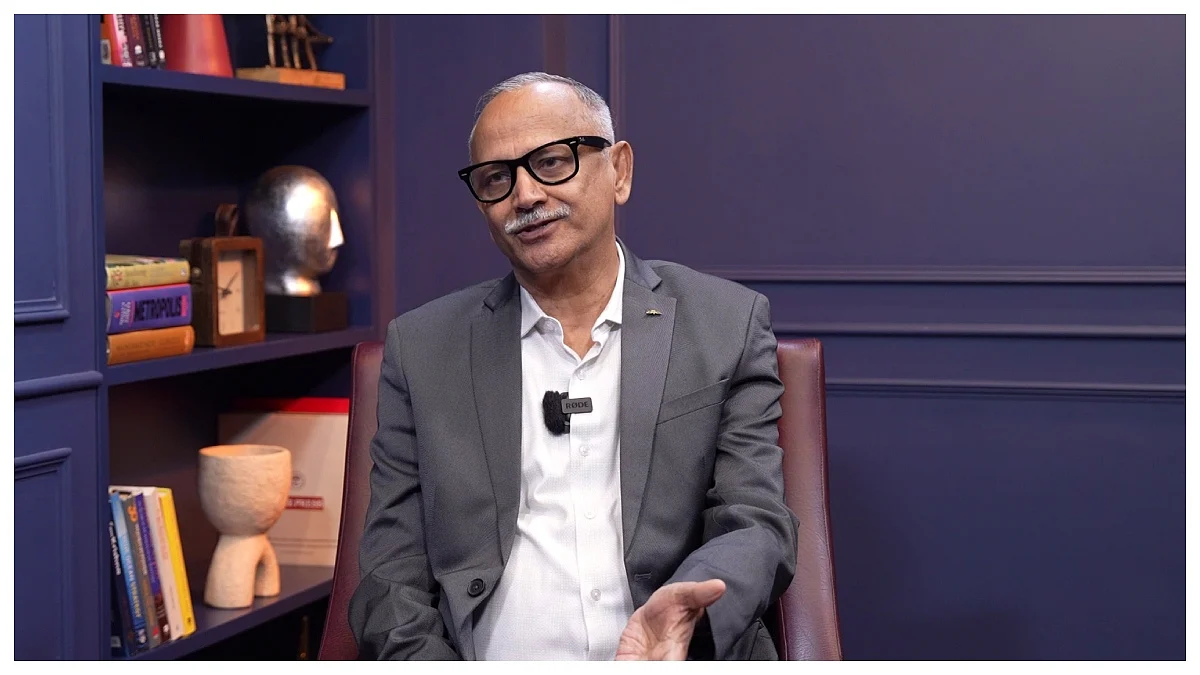
Infrastructure Investment Trusts (InvITs) are gaining traction as an investment avenue for Indians looking for steady income and long-term wealth growth. NS Venkatesh, CEO of Bharat InvITs Association, shares insights on how investors can participate in infrastructure projects and the factors driving their popularity. InvITs are pooled investment vehicles, similar to mutual funds, but they focus on operational infrastructure assets like highways, power lines, and telecom networks.
They aid in capital recycling by repurposing money from successful projects to finance new ones, thus contributing to economic development. To gain a foothold in the InvIT market, investors should prioritize awareness and education, similar to the successful 'Mutual Funds Sahi Hai' campaign. This will help demystify InvITs and encourage wider retail participation.
The rise in retail investor participation, up 17 percent, is driven by InvITs delivering steady annual returns of 14-15 percent and wealth managers increasingly recommending this asset class. Investors can own a portion of infrastructure projects without direct involvement, as they purchase units of an InvIT that hold infrastructure assets.
These units grant economic exposure to assets like highways, transmission lines, and telecom towers. While InvITs are mandated to distribute 90 percent of their cash flows, investors must understand that distributions include dividends, interest, and returns of capital. Before investing, they should consider factors like safety, liquidity, and return sustainability.
InvITs should be viewed as complementary investments to equities, bonds, and fixed deposits, placed between equities and fixed-income instruments in terms of risk and return. For long-term investors, a 10-15 percent allocation in InvITs could be beneficial, depending on individual financial goals and risk tolerance. Understanding sector-specific risks and diversifying investments is crucial for sustainable income and wealth creation.
Written by urgent.news from Free Press Journal's reporting — not their text. Machine-written — may contain errors; check the original before relying on it.