Meta wants to pay for its broad AI buildout with a newly created class of stock
The social media giant is planning a new stock strategy to help power its broad investments in AI models and services.
Meta is investing heavily in artificial intelligence and has announced a new class of non-voting stock to help fund its AI initiatives. During its third-quarter earnings call, the company disclosed plans to distribute the shares to existing shareholders through a stock dividend. CFO Susan Li explained that the new class of shares will enable Meta to raise capital, compensate employees, engage in acquisitions, and pursue other corporate objectives while preserving the voting rights of existing Class A and B shareholders.
By offering this non-voting stock, Meta aims to maintain its founder-led structure and benefit from the company's growing momentum driven by AI. Meta's latest quarter delivered strong results, surpassing Wall Street's expectations, with revenue reaching $64 billion, a 26% increase from the previous year. However, costs and expenses climbed by 68% year over year.
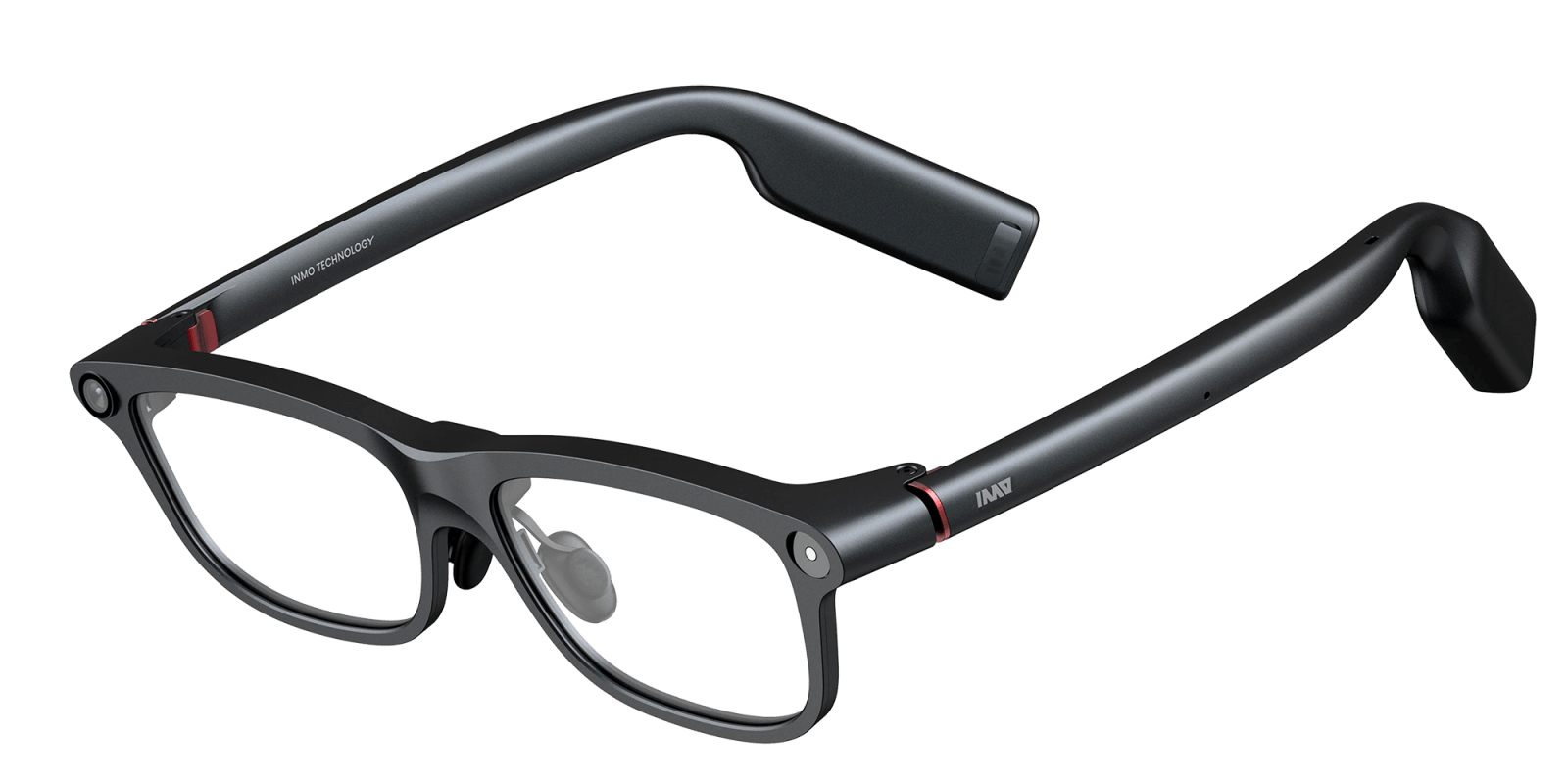
Meta's Reality Labs division, which develops AR glasses, VR headsets, and VR software, is currently experiencing losses, albeit a reduction from previous years. The company anticipates shrinking these losses to between $18 billion and $19 billion by 2025. Meta has made significant strides in AI, unveiling numerous AI models such as Muse Spark, Muse Glimmer, Muse Wonder, Muse Spark Open (an open-weight model), and Muse Code, a coding agent for software developers.
The company's AI products have gained traction, with over 10 million U.S. and Canadian users setting up Meta Muse personal agents within a month and a half of their launch. Meta's CEO, Mark Zuckerberg, expressed confidence in the product, stating that the company plans to scale Muse to serve billions of people. Despite the company's successes, Meta remains cautious about potential legal and regulatory challenges, particularly concerning youth-related issues and ongoing trials in the United States.
Written by urgent.news from TechCrunch's reporting — not their text. Machine-written — may contain errors; check the original before relying on it.