Meet Kerala farmer who traded rubber for organic lemons. The payoff? ₹13 lakh in peak-season earnings | How he did it?
After nearly three decades working in the Gulf, Rajan Mathew returned to Kerala and replaced rubber cultivation with organic lemon farming. His 0.8-acre orchard produces around five tonnes of lemons annually, with prices reaching ₹260 per kg during peak demand.
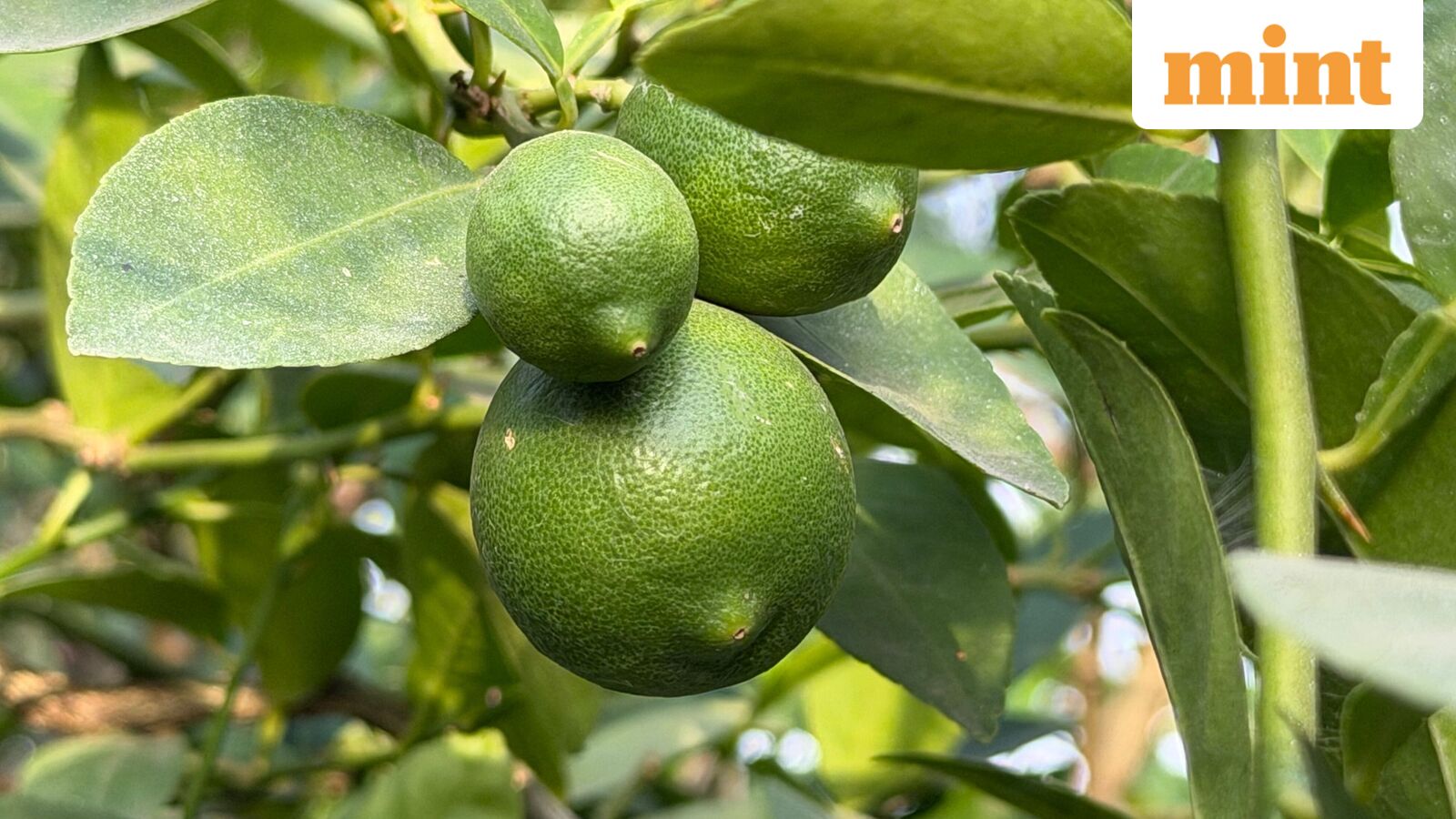
Rajan Mathew, a former Gulf worker, has transformed his family's land in Vilakkudy village, Kollam district, Kerala, by replacing rubber trees with organic lemon plants. His venture has blossomed into a thriving lemon orchard that yields tonnes of fruit annually, as reported by 30Stades. Mathew cultivates lemons on just 0.8 acres, selling the high-quality produce directly to customers at prices up to ₹260 per kg during peak demand.
His success story stems from the economic shift in rubber farming, driven by diminishing returns and high production costs, coupled with Kerala's reliance on lemons from neighboring Tamil Nadu.
The pandemic exposed a growing demand for lemons, prompting Mathew to plant lemon saplings on his land in 2022, following his return from the Gulf. Initially planting around 140 saplings, he later reduced the number to approximately 100 to allow the trees ample space to grow. Mathew cultivates various lemon varieties, such as Ganapathi lemons used in religious rituals and Kaji Nimu, which can produce fruit year-round.
Each mature tree can yield about 50 kg of lemons annually, potentially giving the orchard a yearly production capacity of around five tonnes.
Mathew employs organic farming practices, including Jeevamrut and fish amino acid, to support plant growth and maintain soil health. His farm holds organic certification. His earnings during the peak season, according to 30Stades, reached nearly ₹13 lakh. This figure, however, should be differentiated from annual revenue and net profit, which data alone cannot establish.
Mathew sells lemons through his own retail outlet, accepts bulk orders for events like weddings, and sells lemon saplings, creating multiple revenue streams.
This model of direct sales and wholesale distribution distinguishes Mathew's business, providing multiple avenues for income generation. The 30Stades report highlights that Mathew relies on his own channels rather than wholesale traders, allowing him to cater to both individual customers and bulk orders. Additionally, he has ventured into selling lemon saplings, further diversifying his income sources.
Mathew's shift towards lemon cultivation is part of a broader trend among Kerala farmers exploring alternative crops to generate better returns than rubber. A September 2025 report by Scroll, based on Mongabay's reporting, detailed farmers experimenting with rambutan, dragon fruit, avocado, and mangosteen. However, challenges such as changing weather patterns, water requirements, supply-chain constraints, and uncertainty about long-term profitability remain significant hurdles.
Experts caution that replacing one monoculture with another can pose environmental risks. Nevertheless, Mathew's experience underscores the importance of understanding local demand and establishing direct sales channels, shaping a successful farming business model.
Written by urgent.news from Live Mint's reporting — not their text. Machine-written — may contain errors; check the original before relying on it.