Kenyan leaders demand accountability as Nairobi hosts Trust Summit
The summit, running from October 21 to 23 under the theme “Weaving Trust: Binding Strands for a Stronger Global Order,” brings together governments, multilateral institutions, business leaders, civil society, academics and young people to explore practical ways of restoring confidence in governance, markets and international cooperation. The post Kenyan leaders demand accountability as Nairobi…
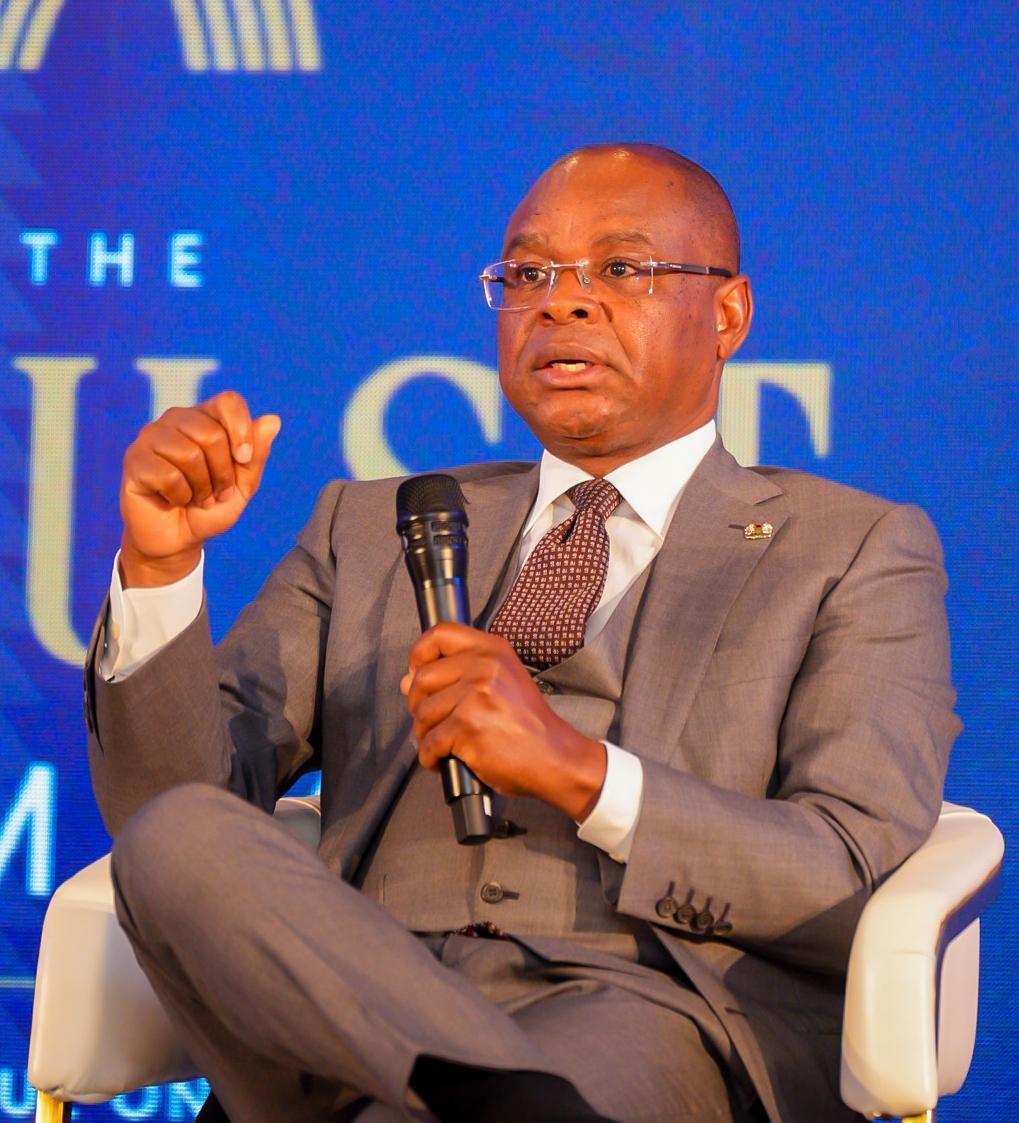
Kenyan officials and civil society leaders gathered for the Global Trust Summit in Nairobi to address a widespread crisis of confidence in leadership and governance. The summit, running from October 21 to 23, brought together governments, multilateral institutions, business leaders, civil society representatives, academics, and young people to explore ways of rebuilding trust in institutions.
Dr. Abraham Korir Sing’Oei, Kenya's Principal Secretary for Foreign Affairs, emphasized that the summit was necessary due to the urgency of restoring confidence in a world facing inequality, geopolitical tensions, and declining trust in institutions. The discussions placed accountability at the center of the relationship between citizens and public institutions, arguing that transparency alone is insufficient without translating into action.
Auditor-General Nancy Gathungu stressed that trust depends on credible, useful information and that audit findings should lead to corrective actions. Dorothy Jemator Kimengech, Vice-Chairperson of the Commission on Administrative Justice, noted that citizens needed to understand the structures, responsibilities, and projects of institutions to develop confidence in them.
Esther Ngari, CEO of the Kenya Bureau of Standards, highlighted that when standards work, no one recognizes them, but when they fail, questions arise, underscoring the importance of the quality, consistency, and reliability of services provided by public institutions. Felix Koskei, Chief of Staff and Head of the Public Service, stressed that regulators must practice the standards they impose on others.
Charles Owino, the Government Spokesperson, challenged participants to consider how citizens engage with decision-making processes, emphasizing that democracy lies with the citizens. Sheila Masinde, Executive Director of Transparency International Kenya, reaffirmed that public participation should be recognized as a legitimate democratic right.
Clarise Ogangah, chairperson of the Kenya National Commission on Human Rights, emphasized that citizens exercise power during public participation and not fully surrender it to leaders. Caroline Gaita, Executive Director of Mzalendo Trust, warned that participation without a feedback loop risks becoming a symbolic exercise. The summit also examined how trust is built across regulators, businesses, financial institutions, and other organizations whose decisions affect livelihoods and economic opportunity.
Clare Akamanzi, CEO of NBA Africa, stressed that institutional promises need to be backed by evidence that the public can assess, while Sean Karanja, a venture capitalist, framed the challenge in terms of the relations between institutions and the public.
Written by urgent.news from KBC's reporting — not their text. Machine-written — may contain errors; check the original before relying on it.