Inside scorching Pakistani factories making clothes for global fashion brands
Machines whirred around Siddiqui as her vision blurred and her heart hammered. The garment factory on the outskirts of Karachi was sweltering. The room was packed with sweating fellow workers and huge industrial equipment that radiated heat. The air felt thick with the humidity of this summer’s monsoon. Siddiqui, who asked to be identified only by surname, felt like she was suffocating. Concerned…
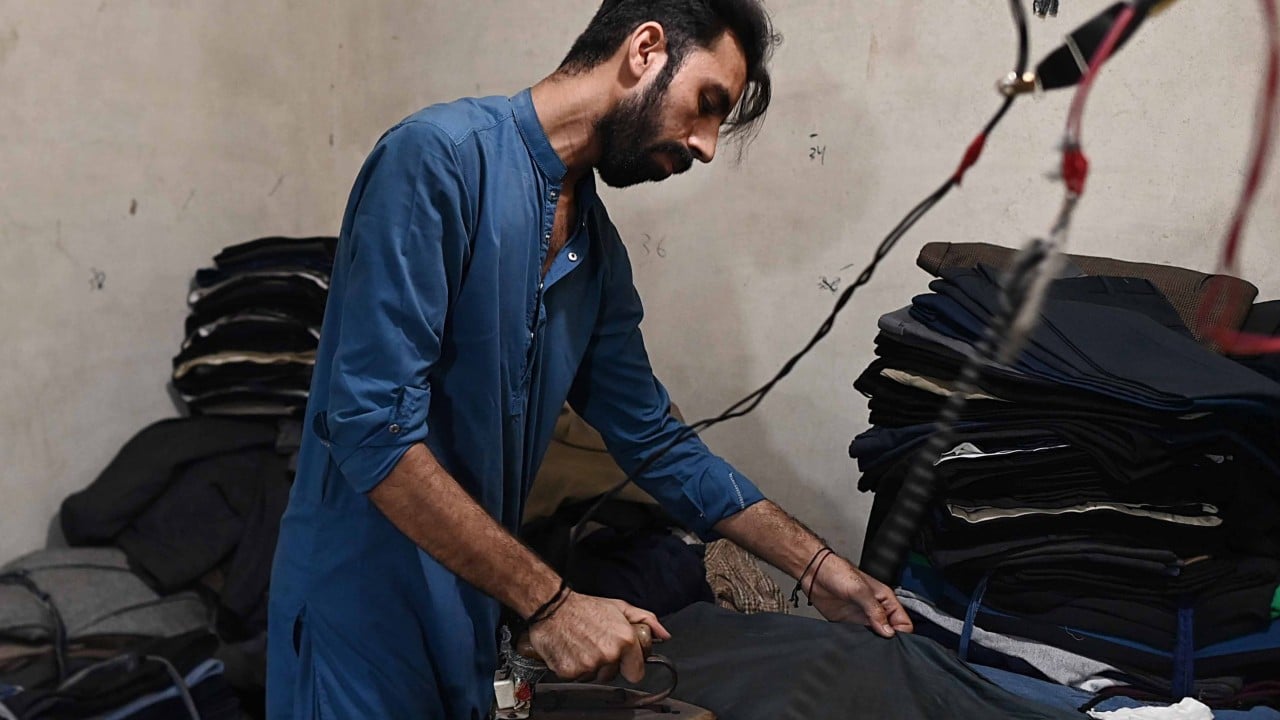
A garment factory on the outskirts of Karachi, Pakistan, was sweltering with temperatures soaring above 90 degrees Fahrenheit and humidity intensifying the heat. Workers like 28-year-old Siddiqui, who asked to be identified only by her surname, felt as though they were suffocating in the oppressive conditions. When her vision blurred and her heart pounded, her colleagues rushed to call for help. The supervisor, however, reportedly instructed her to "just complete this work."
Extreme heat, exacerbated by climate change, is creating hazardous conditions for factory workers in Pakistan. Global fashion brands source their clothing from these factories, yet experts and labor rights advocates claim that companies have yet to fulfill their worker safety commitments. All interviewed workers described scorching workplaces with absent heat protocols, leading to various negative health effects including fainting. Many lost wages when heat-related illnesses forced them to miss work.
Living in a small room with no air conditioning on the outskirts of Karachi to support a family of six children, Siddiqui's plight is shared by many. Temperatures during heatwaves often exceed 37.8 degrees Celsius (100 degrees Fahrenheit), trapping workers in a suffocating environment. Without proper air conditioning, broken fans, and limited ventilation, the heat becomes a relentless, life-threatening hazard.
The World Health Organization and World Weather Attribution studies indicate that climate change has drastically increased the frequency, intensity, and risks of extreme heatwaves in Pakistan. Heat stress is a leading cause of weather-related deaths. Workers interviewed reported symptoms like muscle paralysis, swollen limbs, blood pressure swings, breathing problems, blurred vision, and exhaustion that peaked during the hottest months. Some even showed scaly skin rashes from routine chemical exposure, which intensified during summer.
Despite these clear dangers, factories have taken little to no action to protect their workers. Simple solutions like accurately measuring temperature and humidity, providing cold drinking water, allowing breaks, installing barriers to block radiant heat, improving ventilation and cooling systems, and painting rooftops white to deflect sunlight remain unimplemented. For workers like Siddiqui, extreme heat poses not only a workplace hazard but also a threat to their very survival.
Written by urgent.news from South China Morning Post's reporting — not their text. Machine-written — may contain errors; check the original before relying on it.