I thought self-hosting would save me money, but my years of experience proved otherwise
My self-hosted setup was supposed to cut costs, not become another expensive hobby.
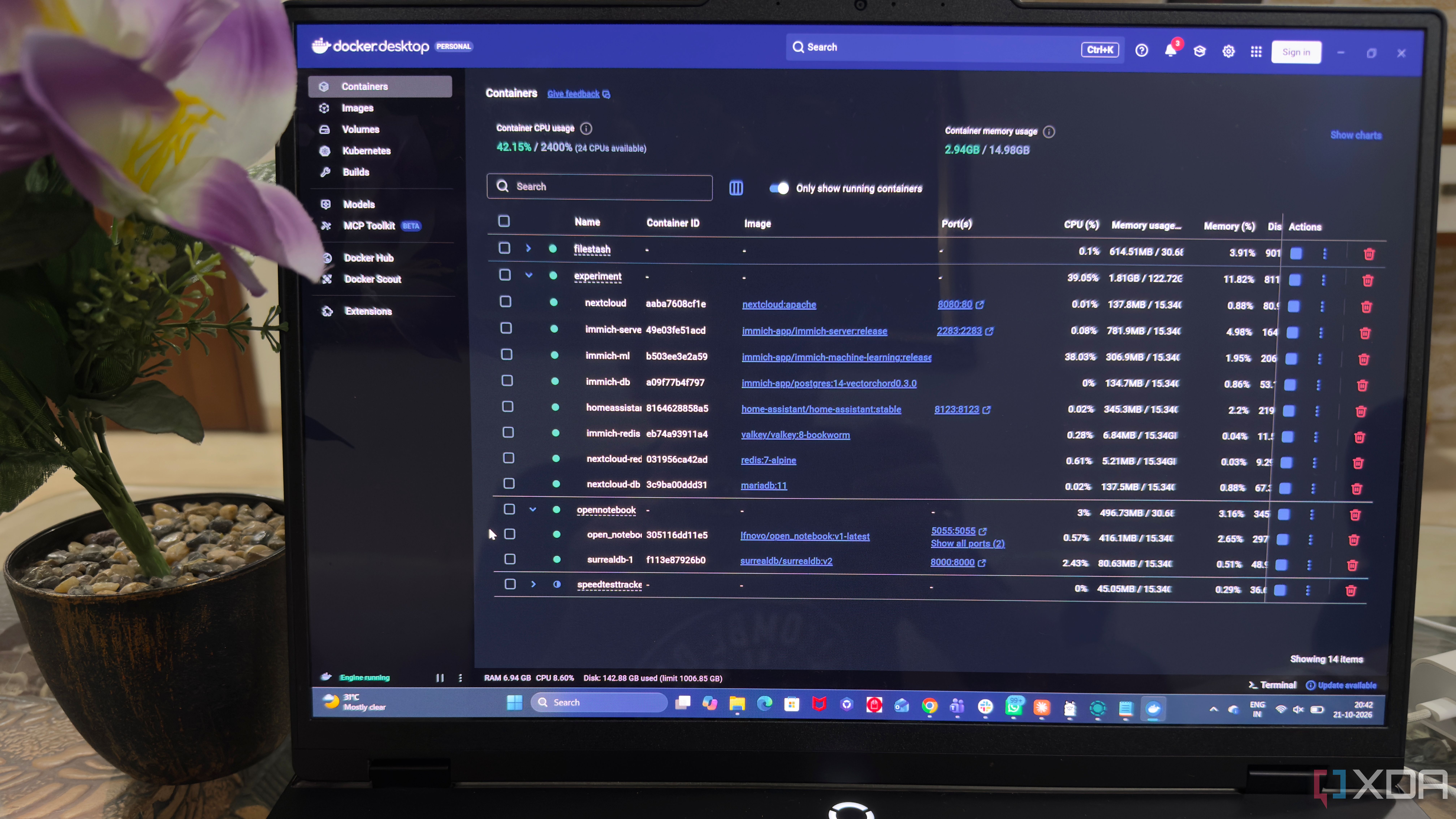
Self-hosting initially seemed like a straightforward way to save money, offering more control over data and tools. However, years of experience revealed the financial side wasn't as simple as it appeared. While open-source tools could be run on own hardware without licenses, additional costs like electricity, storage, backup drives, and networking equipment were often overlooked. These expenses gradually accumulated and proved to be higher than the suggested software prices.
The biggest surprise was the time spent maintaining self-hosted services. Troubleshooting updates, fixing configuration issues, and ensuring everything worked smoothly consumed more time than anticipated. This transformed what was initially seen as an exciting experiment into a chore, diminishing the value of the time invested.
As more services were added, the hardware's performance limitations became clear. Upgrades were considered frequently, leading to an ongoing cycle of expense. The money saved from subscriptions didn't always stay saved, contradicting the initial assumption that free software automatically meant cheaper ownership.
Self-hosting now makes sense when the benefits of privacy, control, and the freedom to experiment justify the costs. But it's no longer assumed that free software is inherently cheaper. The key is to self-host only when the advantages truly outweigh the additional costs.
Written by urgent.news from XDA Developers's reporting — not their text. Machine-written — may contain errors; check the original before relying on it.