How Strait of Hormuz could become ‘redundant’ within five years
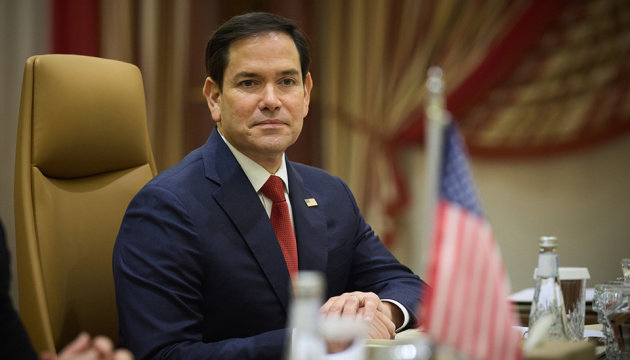
Dubai: Gulf countries could reduce their dependence on the Strait of Hormuz within five years by investing in pipelines and logistics networks that carry exports around the strategic waterway, according to HSBC Group Chief Executive Georges Elhedery. Get updated faster and for FREE: Download the Gulf News app now - simply click here. The idea is to give producers alternative ways to reach…
Foreign Minister Abbas Araghchi stated that Iran will not reopen the Strait of Hormuz until the United States agrees to its terms, warning that Tehran is prepared for further conflict if tensions rise. Indirect talks between Iran and the US continue through mediators Pakistan and Qatar, according to Mr Araghchi, who spoke to Iraqi state television.
Iran's Islamic Revolutionary Guard Corps has claimed a recent explosion of an oil supertanker near the strait, though the incident remains unverified. Iranian President Masoud Pezeshkian, during a meeting with Pakistani army chief Field Marshal Asim Munir, said the US must lift sanctions and cease threats before negotiations can resume.
Qatar has maintained communication between Washington and Tehran, aiming for a solution as soon as possible. The US and Israel are reportedly considering military options, with the US reportedly developing strike plans that could target Iranian energy infrastructure. Israeli Prime Minister Benjamin Netanyahu, meanwhile, has reportedly pushed for large-scale strikes against Iran, including targeting civilian infrastructure, nuclear facilities, and sites associated with Iran's leadership.
US Defence Secretary Pete Hegseth met with Mr Netanyahu, discussing the possibility of resuming major combat operations against Iran ahead of the US midterm elections. Iran has warned of possible renewed attacks if fighting resumes, including targeting undersea cables, data centers, and artificial intelligence facilities. Shipping through the strait is severely disrupted, affecting energy markets and regional economies. Oil prices have risen on concerns over Middle East supply.
Written by urgent.news from The National Business's reporting — not their text. Machine-written — may contain errors; check the original before relying on it.
This story
This is one outlet's version. Read the fullest account.