How rage and frustration against authority figures tips over into conspiracy and violence – and what we can do about it
Feeling angry, frustrated and ignored, many have turned to online echo chambers to vent their rage. And that can tip over into conspiracy theories and violence.
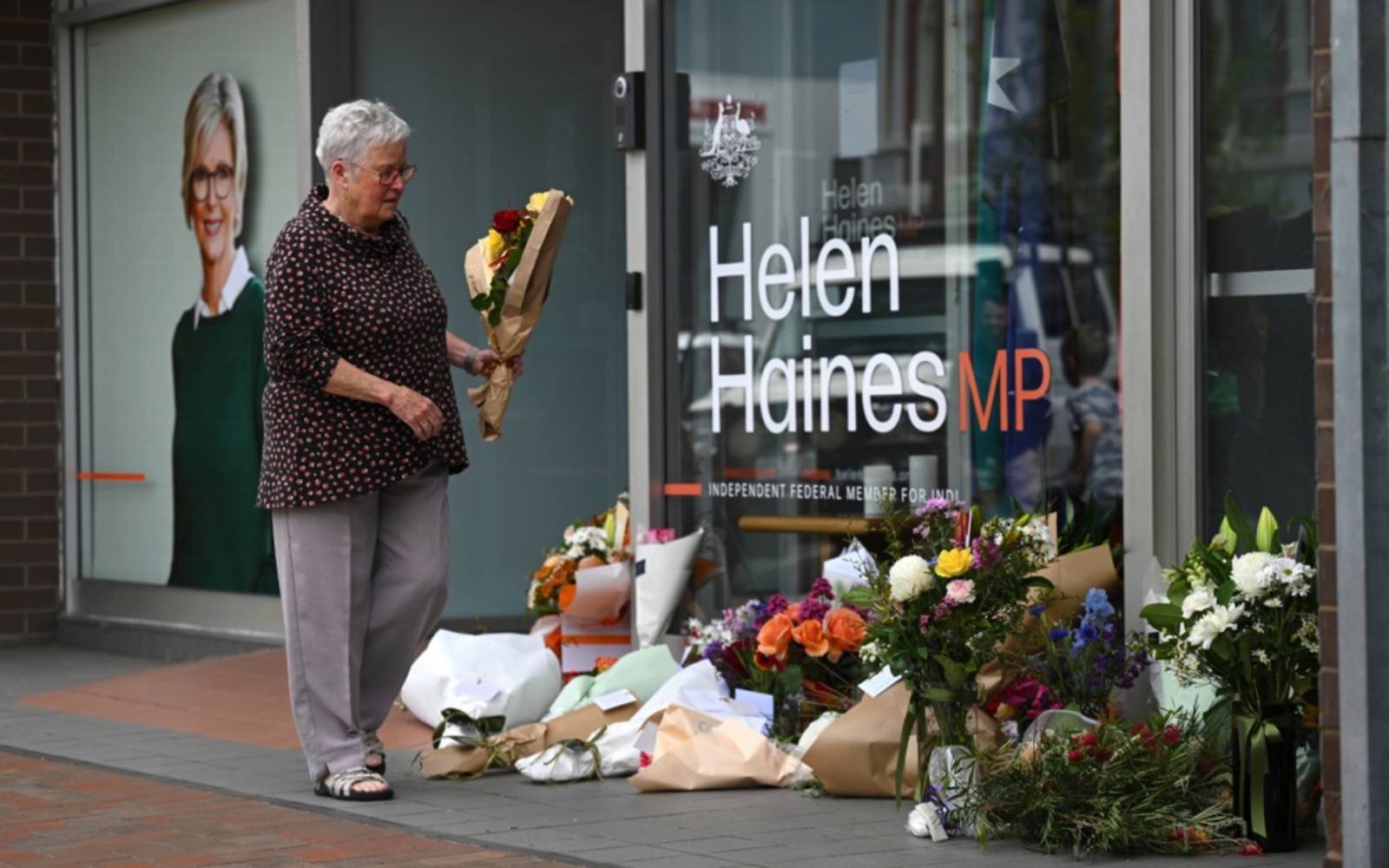
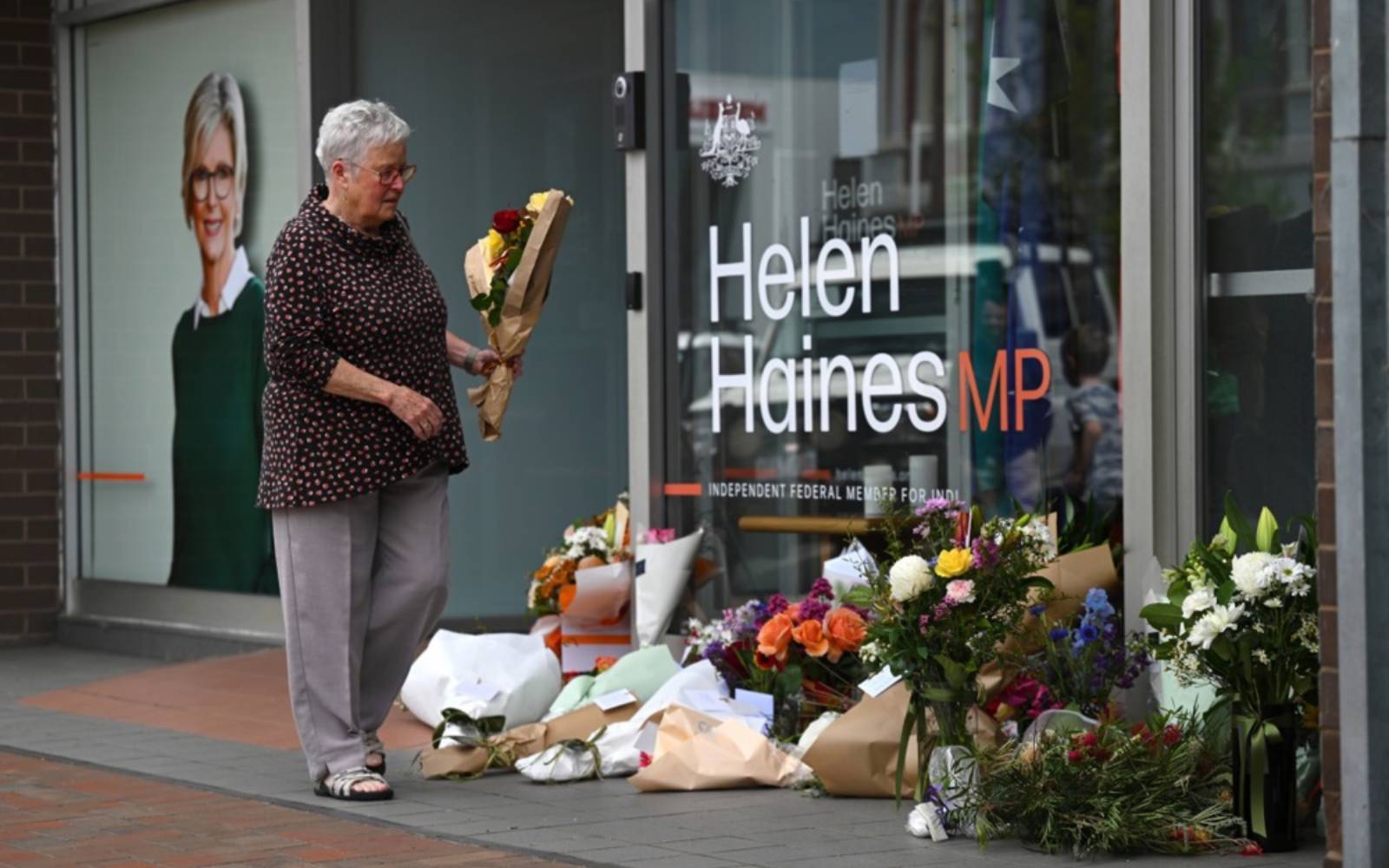
The attack on independent MP Helen Haines in Melbourne has sparked concerns about political violence in Australia and the nature of public discourse. It is unclear what prompted the alleged assault, but the rise in heated rhetoric online has undoubtedly contributed to the escalation of violent threats against authorities. The COVID-19 pandemic exacerbated this issue, with people feeling angry, resentful, and seeking someone to blame.
Politicians, particularly in Victoria, have been targets of these threats due to lengthy lockdowns. The controversy has not been limited to Australia, as similar incidents have emerged in other Western nations, driven by a distrust of politicians, a decline in democracy, a cost of living crisis, and increasing societal division.
The online world can be likened to a boiling pot, drying out essential democratic elements like civility, respect, and a sense of belonging, and replacing them with conspiracy, rage, and aggression. This virtual environment provides a platform for marginalized individuals to share their grievances and find solidarity, fueling the desire for retribution.
The phenomenon is particularly pronounced in rural Australia, where people feel alienated by policies imposed by city-dwellers, leading to a perception of politics as an imposition rather than a reflection of their concerns. Men are disproportionately involved in violent extremism and terrorism, while mental health issues and family violence also show an upward trend.
Addressing this issue requires immediate action from police and intelligence agencies, who are currently under-resourced to monitor potential threats. Additionally, the unique challenges faced by rural and regional communities must be acknowledged and addressed, including the rise of the "sovereign citizen" movement, the impact of rising living costs, and a lack of infrastructure and healthcare access.
The "horseshoe" effect, where extreme left and right groups converge and demonize each other, further perpetuates the cycle of violence. To combat this, those in positions of power must listen to the hardships experienced by people outside urban bubbles and hold social media platforms accountable for enabling harassment and threats.
Written by urgent.news from The Conversation AU's reporting — not their text. Machine-written — may contain errors; check the original before relying on it.