How AI Changes the Fundamental Structure of the Classroom—Especially the Segregated Ones
The 250th anniversary of the founding of the United States is the kind of milestone that forces the nation to look back and ahead—to consider yesterday and tomorrow. In the current environment where America is trying to make itself great
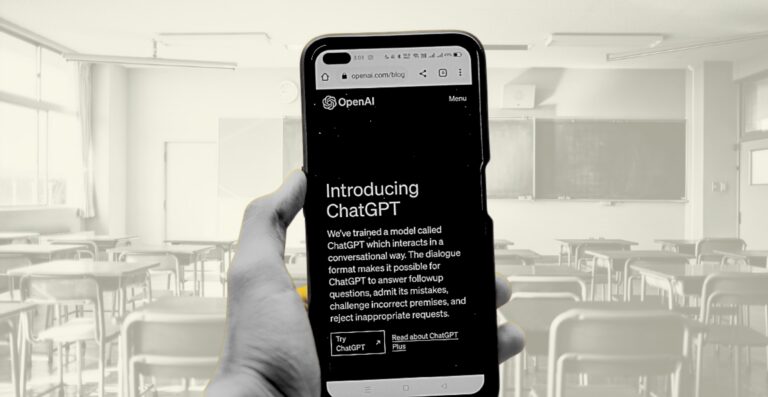
The United States is commemorating its 250th anniversary, prompting reflection on past and future. However, the anniversary coincides with a fierce debate about what "greatness" truly means for America, a country that has always been built on the suffering and exploitation of marginalized communities. This anniversary, therefore, presents an opportunity for the nation to address and rectify its historical wrongs, especially in the realm of education, where Black students have historically faced substandard conditions and systemic racism.
The legacy of anti-literacy laws and centuries of de jure and de facto segregation have left deep scars on American education. Even as technology promised to revolutionize learning, the outcomes have remained disappointingly unchanged for many students, particularly those from historically marginalized backgrounds. Now, with the advent of artificial intelligence, education finds itself at a crossroads where technological advancements intersect with deep-seated racial animus.
AI technologies promise to revolutionize education, with claims of personalizing instruction and improving efficiency. However, the question remains: how will these tools impact the fundamental structure of American education, particularly in segregated schools? Will AI-enabled tools help break the persistent correlation between race and academic achievement, or will they merely exacerbate existing disparities?
In segregated schools, where resources are already limited, the application of AI may further marginalize students, offering them an education that is efficient in learning only what the tools deem necessary, ignoring the rich cultural and historical background of Black students.
As the nation grapples with its past and looks to the future, it is imperative to critically evaluate the role of AI in education. Can technology truly be the catalyst for change that advocates claim, or will it serve as another tool for perpetuating racial injustice? The answer to this question may very well determine the future of American education and the nation's potential to become truly "great" for all its citizens.
Written by urgent.news from Literary Hub's reporting — not their text. Machine-written — may contain errors; check the original before relying on it.