Handel: „Ihr kauft unsere Waffen, aber keine Orangen“: Darum sind die EU-Sanktionen in Israel so unbeliebt
Mehrere Staaten wollen den Import von Waren aus Siedlungen im Westjordanland verbieten. Das sorgt für Empörung, zeigt eine Umfrage: Viele Israelis werfen europäischen Partnern Heuchelei vor.
A recent survey conducted by the Israel Democracy Institute (IDI) reveals that the EU sanctions in Israel are widely unpopular among the Israeli population. 63% of respondents stated they would react harshly to countries issuing sanctions and suggested that goods from settlements should be treated equally to goods from Israel. Among Jewish Israelis, this number rises to around 70%.
Only 16% of them acknowledge the right of other states to limit imports from the settlements in an effort to end the occupation of the West Bank.
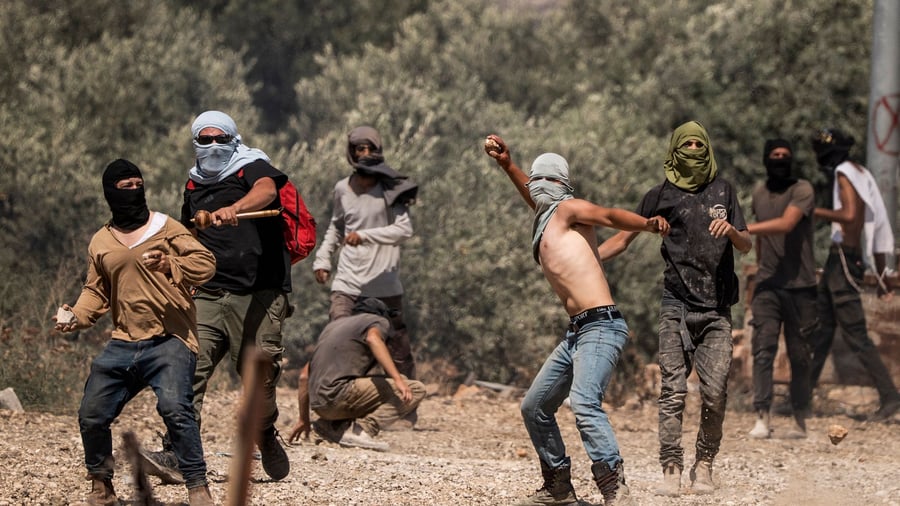
The dispute over land has been ongoing for decades. According to international law, all settlements established since 1967 in the occupied West Bank are illegal, yet Israel continues to recognize them gradually. Since December 2022, the right-wing government of Benjamin Netanyahu approved the construction of 103 new settlements, bringing the total to 127.
Only 16% of Jewish Israelis recognize the right of other states to limit imports from the settlements to achieve the end of the occupation of the West Bank. However, 90% of Israelis are unaware of the Green Line that separates Israel from the West Bank, making it difficult to trace supply chains. Wine, olives, and dates are the exceptions, produced or grown in the West Bank, while many products marketed as 'made in Israel' have origins that are unclear.
The trade volume of affected goods is estimated to be less than 5% of total exports, according to the Industrial Association MAI. The concern among the population pertains mainly to secondary sanctions against banks financing the settlements. "If a banker works in Tel Aviv, they certainly don't want to be sanctioned for collaborating with a producer in the settlements," says Herrmann.
The people also accuse European partners of hypocrisy: they demand the banning of imports of settlement products but still buy Israeli weapons. "If it suits the Europeans, they use Israeli products," says Herrmann. "You buy our weapons, but not oranges."
Israel's arms exports reached $19.2 billion US dollars in 2025, nearly 30% more than the previous year, and the fifth consecutive record. Exports make up nearly one-third of Israel's total exports, with Europe being the largest importer at 36%. This has damaged the reputation of European partners in Israel. 56% of respondents say Britain is hostile towards Israel, as do 55% regarding the Netherlands. France ranks just below the UK at 68%, just below Qatar at 69%, which has officially declared its leaders as enemies.
Herrmann states that these are only perceptions, not facts, and adds that Israelis feel betrayed by both European partners and the United States. Germany is viewed more favorably, but support is waning, with only 55% of Israelis still viewing the country as friendly. The USA continues to score the highest at 87%.
Economists warn of the potential consequences of trade sanctions. Over 60 prominent economists and former government officials warned in an open letter against the "discouraging effect" of sanctions, as international banks and corporations may avoid doing business with Israeli companies to avoid legal risks. This could lead to significant economic harm, they write, adding that already high living costs could rise.
They attribute the responsibility to Israel itself, noting that the expansion of settlements and failure to prevent Jewish violence against Palestinians are damaging the country diplomatically and economically. The open letter calls for these damages to be prevented while there is still time. Israel is set to elect a new parliament on October 27th, but it is unclear if the government will change its course.
Even the Zionist opposition parties hardly differ from Netanyahu's stance on Palestinian issues, except for the left-progressive party HaDemokratim.
Written by urgent.news from Handelsblatt's reporting — not their text. Machine-written — may contain errors; check the original before relying on it.