GROUNDUP: Tshwane’s drinking water crisis a wake-up call for SA as sewage pollution sickens hundreds
More than 400 people, mostly children under four, contracted gastrointestinal illnesses after drinking contaminated tap water in Bronkhorstspruit, exposing failures in water treatment and municipal oversight. The outbreak highlights South Africa’s wider sewage crisis, with experts warning that failing wastewater systems threaten drinking-water safety and national water security.
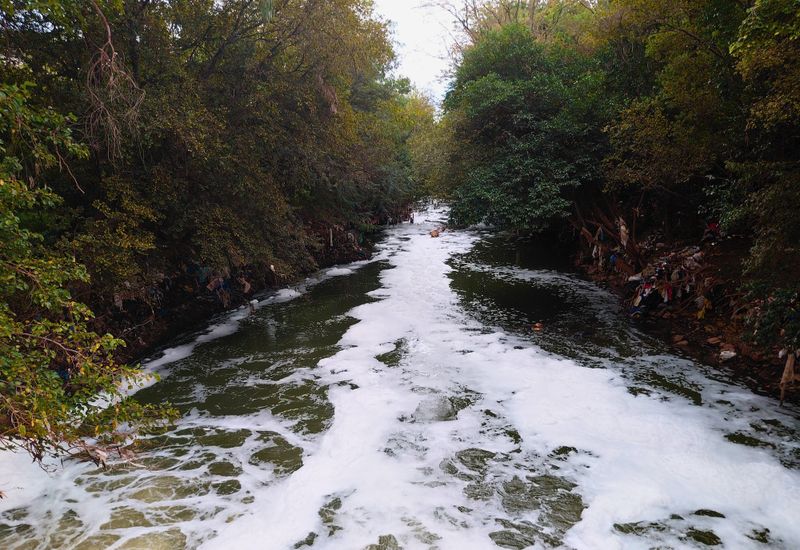
Over four hundred South Africans, primarily young children, fell ill after consuming tap water laced with sewage pollution in Bronkhorstspruit between October 7 and 18. The contaminated water originated from the Bronkhorstspruit Water Treatment Works, which serves multiple townships in northern Gauteng. Health Minister Aaron Motsoaledi reported that the affected individuals, mostly under four years old, were primarily treated and discharged within a day, with no fatalities recorded.
However, the incident underscores the severe sewage crisis faced by South Africa, as failing wastewater systems pose a grave threat to drinking water safety and national water security. The contaminated river water was found to be heavily polluted with sewage originating from dysfunctional wastewater treatment works upstream. Tests conducted by the Department of Water and Sanitation on October 14 revealed alarmingly high levels of E. coli and total coliforms, signaling recent faecal contamination and the presence of other disease-causing germs like Norovirus, Shigella, and Campylobacter.
Municipal officials at the time failed to chlorinate the water and did not warn residents, despite the plant not chlorinating the water between September 24 and October 14. The supplier of chlorine allegedly had a monopoly, with prices increasing fourfold, and municipal officials did not inform higher authorities about the shortage.
Experts argue that the national system is designed on the indirect reuse model, where treated sewage is released into rivers that supply drinking water plants, causing the treated wastewater to be released in a substandard state. The 2025 Green Drop Report highlighted that 597 out of 848 wastewater systems in South Africa scored below 31% for faecal bacteria, indicating widespread contamination.
The national average of microbiological compliance is 35%, meaning most effluent fails limits before being discharged into rivers. With no wastewater works fully compliant with standards, the situation remains dire, with residents having to rely on 36 water tankers to provide water for essential purposes.
Written by urgent.news from Daily Maverick's reporting — not their text. Machine-written — may contain errors; check the original before relying on it.