GM Wants Your Car to Do Your Chores
The Detroit automaker wants your next vehicle to be a personal assistant, a best friend, and an autonomous errand-runner.
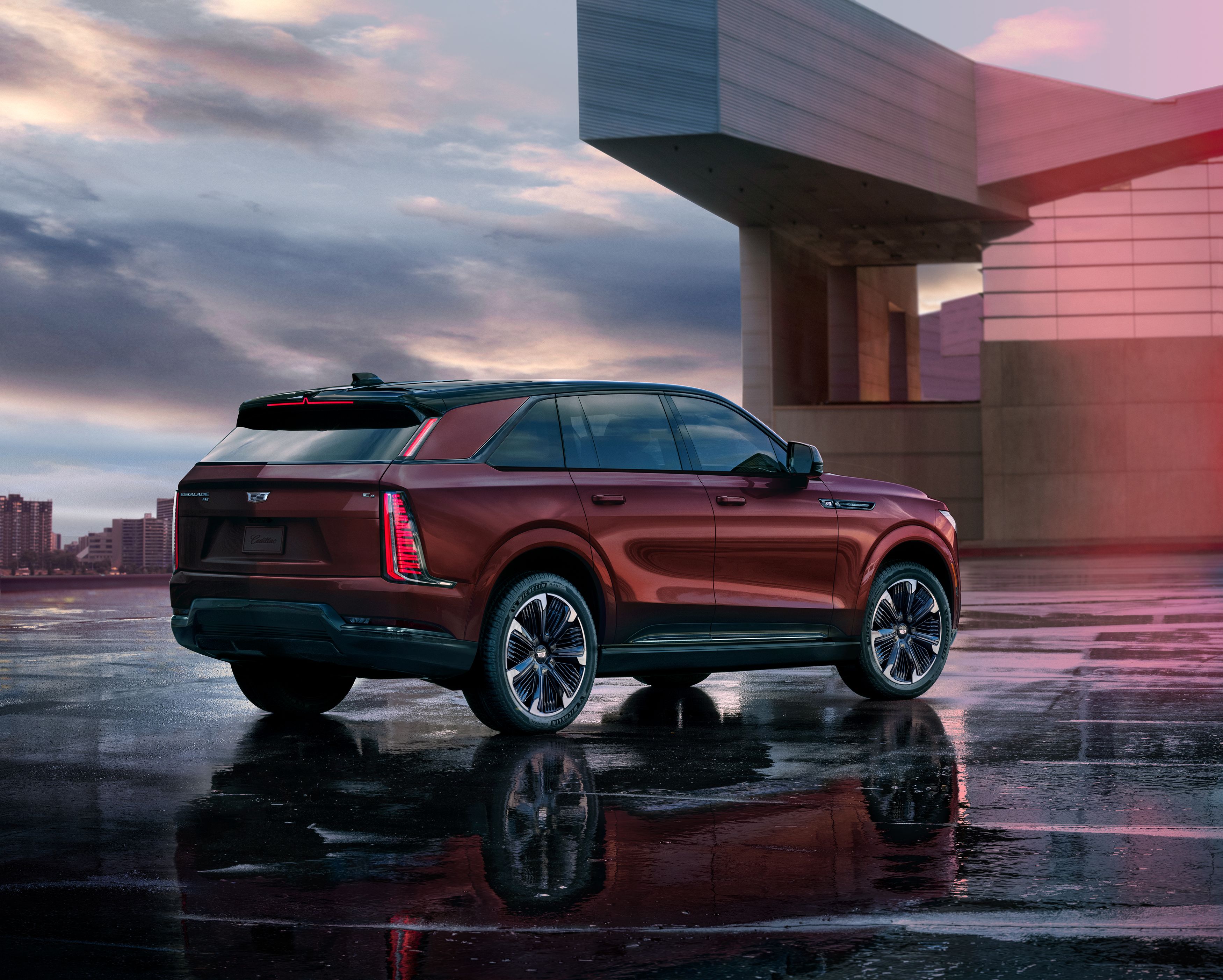
General Motors (GM) aims to enhance the practicality and appeal of car usage, according to the automaker's Chief Product Officer Sterling Anderson. He envisions a vehicle that serves as a personal assistant, a companion, a tool, and even a best friend. GM is set to introduce an advanced in-car AI assistant, OnStar AI, in Cadillac Lyriqs starting in 2027.
This system, accessible via a new app, will begin by enabling simple tasks like turning on air conditioning via voice command. However, the assistant could eventually manage more complex tasks, such as coordinating pick-ups and drop-offs for family members based on proximity, according to Anderson.
GM also intends to leverage AI for faster new-vehicle development, potentially halving the current four to five-year timeline, similar to the pace at which Chinese manufacturers produce new models. The company plans to further expand its "eyes-off" highway driving technology, potentially making it available in its most popular cars, inching closer to the idea of a personal self-driving car that it previously promised for the Cadillac Escalade IQ in 2028.
While GM acknowledges the challenges and societal implications of this vision, Anderson emphasizes their cautious approach, drawing a distinction from companies like Tesla, which offers a driver-assistance feature requiring constant driver attention. GM's approach involves incrementally expanding "eyes-off" capabilities across various road types, allowing drivers to multitask during their commute, whether it's texting, eating, or watching YouTube.
The ultimate goal is to transform the car cabin into a space where users can relax, work, and unwind.
Moreover, GM's system aims to take on everyday errands through a personal self-driving car that can pick up groceries, drop off children, and even find parking spots. However, urban planners and infrastructure experts have raised concerns about the potential impacts of this vision, such as increased traffic congestion and the sprawl of cities. While Anderson acknowledges these concerns, he maintains that there is ample time for cities to adapt, suggesting that this development should indeed be considered.
Written by urgent.news from Wired's reporting — not their text. Machine-written — may contain errors; check the original before relying on it.