GM simulated 300,000 EV battery designs—using 34,000 years of computer time—before building a single cell. Now comes the physical part
At GM Forward, the automaker showed how much of its next generation of vehicles is now designed and tested in simulation. The real cells come later.
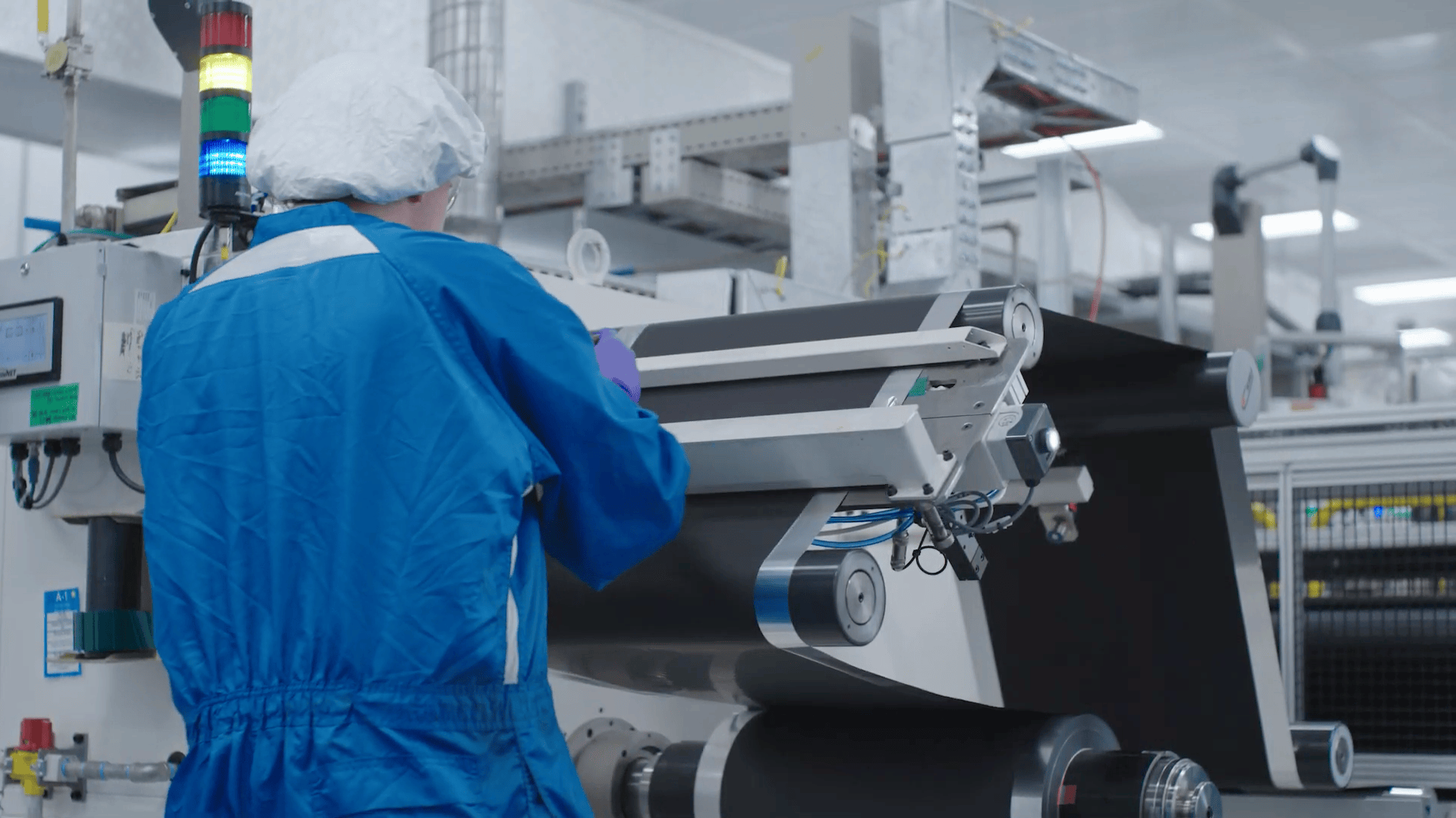
General Motors (GM) simulated over 300,000 designs for its next electric vehicle (EV) battery before constructing a single physical cell. This extensive simulation took 300 million CPU hours, equivalent to one computer running continuously for 34,000 years. At the GM Forward event, GM touted this number as evidence that it could reduce the traditional four-to-five-year vehicle development process to approximately two years.
The team moved from initial battery pack concepts to formal program approval within a month. GM's innovations extend beyond battery design; their self-driving software logs more than 3 billion simulated miles daily, compared to about 1 million real-world miles a month. The assembly process is also being refined digitally, with factory teams rehearsing construction in simulated environments.
Sterling Anderson, a former Tesla Autopilot chief GM hired in 2025, described this approach as "effectively the third phase in the evolution of product development for humanity," emphasizing "probabilistic, large data-requiring methods."
However, the new battery technology is not yet ready for mass production. It is predicted to hit the market in 2028. The battery cells utilize lithium manganese-rich (LMR) chemistry, which offers 33% more energy density than lithium iron phosphate (LFP), the dominant cheap chemistry from China, at a comparable cost. LMR employs around 30% to 40% nickel, significantly less than the 85% found in today's high-nickel cells.
GM plans to manufacture these cells with LG Energy Solution at their Ultium Cells joint venture in Spring Hill, Tennessee. While most in the industry consider LMR a long shot, GM is confident it has addressed issues related to short cycle life and voltage decay. The company's $900 million Battery Cell complex in Warren, Michigan, is set to become fully operational later this year, ramping up to produce several thousand cells daily.
GM's innovative approach extends to other aspects of vehicle development. At the GM Forward event, GM showcased a digital car navigating a cone course virtually, a process traditionally requiring months with a physical vehicle. The company's PlantBrAIn platform has accelerated the assembly of battery packs within factories by 30%.
Future Gen 4 vehicles are expected to be 25% more aerodynamic, 15% lighter, and feature a 20% larger pack with 40% fewer parts. The updated PlantBrAIn platform will also bring advanced Super Cruise technology to GM vehicles. This central computer, with 40 times the processing power of current systems and 30% less wiring, will debut in the Cadillac Escalade IQ in 2028, eventually extending to GM's highest-volume gas SUVs, light-duty trucks, and Gen 4 EVs, enabling autonomous highway driving.
Pre-production vehicles are currently testing this technology on closed courses. The autonomous driving software primarily learns through self-play, with versions of itself playing various roles to simulate real-world driving scenarios. Much of the methodology stems from Cruise, GM's robotaxi unit acquired in 2024. Current Super Cruise users have logged over 1.2 billion hands-free miles.
GM's real-world data comes from its fleet of data-collection vehicles and opt-in retail customers, allowing software improvements to reach the market within a single day. An OnStar AI assistant will be available on the 2027 Cadillac Lyriq through over-the-air updates in the coming months. Starting in 2027, a single OnStar app will replace multiple platform-specific apps, incorporating cameras that automatically record incidents, though GM cannot access these recordings.
GM Fleet, accounting for about 20% of annual sales, will have its own AI assistant, with more than 2.4 million subscribers to OnStar Fleet, a number double its nearest competitor. While these advancements are impressive, they come at a significant cost. GM has committed to investing over $16 billion in U.S. R&D and manufacturing this year, up from $7.6 billion in EV-related spending last year.
Written by urgent.news from Fortune's reporting — not their text. Machine-written — may contain errors; check the original before relying on it.