Global framework launched to track effects of extreme heat on pregnant women and children
As extreme heat intensifies around the world, the World Health Organization (WHO), the World Meteorological Organization (WMO), UNICEF and the United Nations Population Fund (UNFPA) today launched the first-ever set of priority indicators to help countries track the health impacts of heat on pregnant women, newborns and children. The post Global framework launched to track effects of extreme heat…
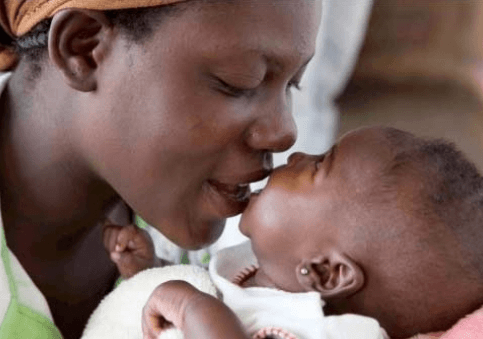
The World Health Organization (WHO), alongside the World Meteorological Organization (WMO), UNICEF, and the United Nations Population Fund (UNFPA), have introduced a groundbreaking framework to monitor the health impacts of extreme heat on pregnant women, newborns, and children. This initiative aims to bolster preparedness, enhance monitoring, and expedite responses to safeguard some of the most vulnerable populations to climate-related health risks.
Studying the effects of extreme heat has shown that exposure can significantly increase the likelihood of preterm birth, with babies under one year of age experiencing 389% more heatwave days in 2024 compared to the 1986 to 2005 baseline period. Globally, it is estimated that 1.5 billion children are exposed to increasingly frequent, prolonged, or severe heatwaves.
Bruce Gordon, Director of WHO's Department of Environment, Climate Change, One Health and Migration, emphasized that older people, pregnant women, newborns, and children are among the most susceptible to these risks. He stressed the need for health systems to have data to recognize this reality and take action, such as protecting people during heatwaves and incorporating climate risk considerations into routine health services.
The new framework recommends tracking preterm births, stillbirths, low birthweight, pregnancy hypertension, child deaths, and health facility visits during extreme heat. Additionally, monitoring school attendance can reveal how heat is disrupting children's lives. Dr. Pascale Allotey, Director of WHO's Department of Sexual, Reproductive, Maternal, Child and Adolescent Health and Ageing, highlighted that without tracking these outcomes, health systems cannot respond effectively.
By analyzing routine health data alongside heat-exposure data, countries can identify potential heat-related impacts, investigate unusual changes during extreme heat events, and take appropriate action to protect vulnerable populations.
Written by urgent.news from Ghana Business News's reporting — not their text. Machine-written — may contain errors; check the original before relying on it.