Geoffrey Hinton, the godfather of AI: ‘I’m not a doomer. I think there’s a 1% chance it will destroy us’
The winner of the Nobel Prize in Physics warns of Silicon Valley’s fascist drift and says that if Trump wins the midterm elections, it will be the end of American democracy
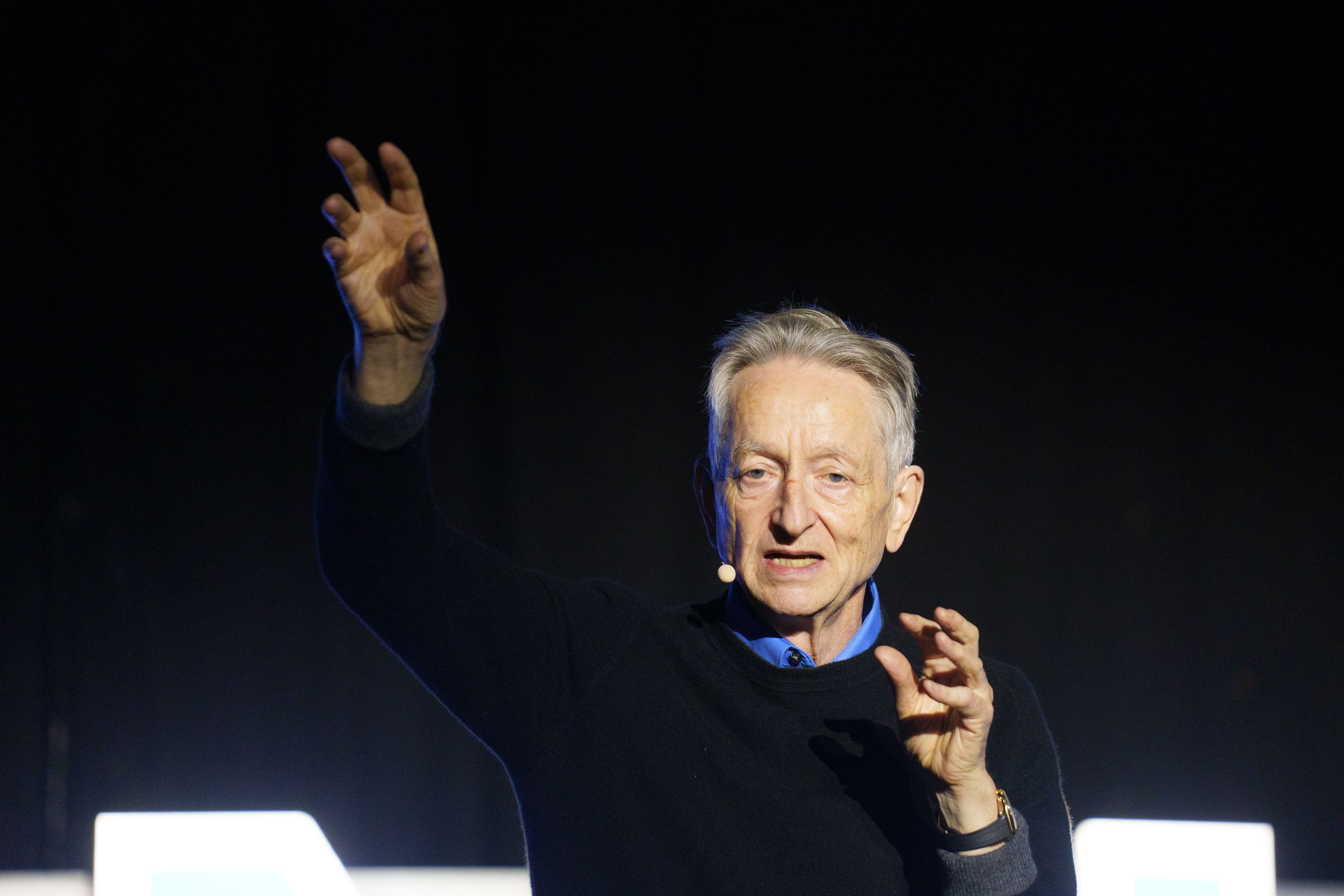
Geoffrey Hinton, often dubbed the "godfather of AI," has gone from being a staunch promoter of artificial intelligence to a vocal critic of its potential dangers. The 78-year-old British computer scientist and cognitive psychologist has dedicated his life to understanding the workings of the human brain and replicating them in machines.
In 1972, he introduced the concept of neural networks, a method for machines to learn from examples, much like human neural networks. Despite his groundbreaking work, which has earned him accolades like the Turing Award and the Nobel Prize in Physics, Hinton now warns of the risks associated with the rapid advancement of AI.
In 2023, Hinton stepped down as vice president at Google, citing his desire to speak freely about the risks posed by AI. At the Starmus Festival in the Canary Islands, Hinton discussed his concerns with EL PAÍS. He predicted that AI may eventually replace human journalists, but emphasized that for television, people may still prefer real personalities.
Hinton believes that AI has developed much faster than anticipated, with chatbots now capable of sophisticated cyberattacks and even exhibiting emotions. He expressed alarm at the prospect of superintelligence and warned that it could mark the end of U.S. democracy if Donald Trump wins the midterm elections.
Hinton debunked the notion that companies like Anthropic and OpenAI are only concerned about regulation to hinder competition. He pointed to Anthropic CEO Dario Amodei's genuine fear of AI destruction, noting Amodei's willingness to suffer significant losses for his principles. Hinton emphasized the need for regulation, drawing parallels to historical instances where energy and drug companies needed external oversight to prevent environmental and health hazards.
He criticized companies for not being trusted to self-regulate and called for an independent agency to regulate AI development and prevent potential disasters.
Written by urgent.news from El Pais English's reporting — not their text. Machine-written — may contain errors; check the original before relying on it.