Feared extinct, Bangka slow loris primate rediscovered in Indonesia
Scientists revealed in a new study that an animal rescue organization came across more than 90 Bangka slow loris individuals in recent years on Bangka, located off the southeastern coast of Sumatra. Most were returned to the wild.
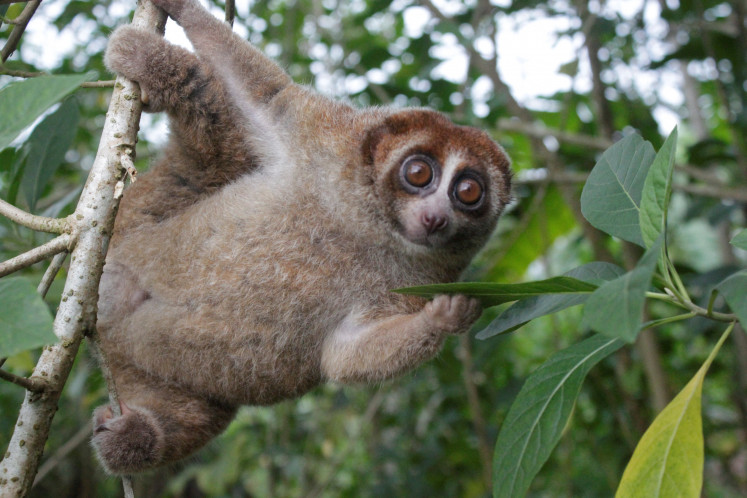
Scientists announced the rediscovery of the Bangka slow loris, once believed to be extinct, on Bangka Island off the coast of Sumatra. This small, nocturnal primate with reddish-brown fur and distinctive facial markings was thought to be critically endangered or possibly extinct since the 1930s. Timon Glaw, a student in nature conservation, highlighted that the species not only survived but thrived in several areas despite habitat destruction from tin mining and oil palm plantations.
The Bangka slow loris, scientifically known as Nycticebus bancanus, shares a close evolutionary relationship with lemurs from Madagascar and galagos from Africa. Unlike other arboreal primates, this species moves slowly through the trees. It possesses venom, a rare trait among mammals, which it uses for self-defense and resolving conflicts with other lorises.
Between 2015 and 2025, the Indonesian conservation group Alobi Wildlife Rescue Center documented over 90 individuals of this species across Bangka. Most were rescued from human habitats and released back into the wild, with 86 successfully returned to their natural habitats. The conservation focus now is on protecting remaining natural forests from further destruction and conducting systematic surveys to determine the current population and distribution of the Bangka slow loris.
Written by urgent.news from The Jakarta Post's reporting — not their text. Machine-written — may contain errors; check the original before relying on it.