Estate records 'abundance' of wildlife despite drought
Wimpole's "long-term approach to nature recovery" has seen more than 5,000 species recorded.
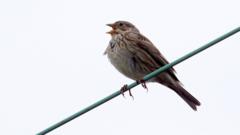
The Wimpole Estate in Cambridgeshire, renowned for its expansive wildlife despite the region's drought, has recorded over 5,000 species over the past six years, the National Trust has revealed. Among the rare sightings are barbastelle bats, great crested newts, and corn buntings.
General Manager David Hassall emphasized the remarkable nature of this count, especially in a region like Cambridgeshire, grappling with habitat loss and extreme weather conditions. The East of England, where Wimpole Estate is located, is one of seven UK areas under drought, with hosepipe bans in effect.
The National Trust attributes the thriving wildlife to five decades of dedicated stewardship, showcasing that farming, public access, and heritage conservation can coexist harmoniously with nature preservation. In recent times, the organization has taken significant steps towards habitat restoration, planting 125,000 trees and creating 87 hectares of woodland and wood pasture.
Ben McCarthy, Head of Nature Conservation at the National Trust, highlighted the urgency of nature recovery in the face of habitat destruction and climate change. He praised Wimpole Estate as a testament to the effectiveness of a long-term approach to nature restoration, stating that such initiatives can provide ample space for wildlife and aid in reversing decades of decline.
Written by urgent.news from BBC Science's reporting — not their text. Machine-written — may contain errors; check the original before relying on it.