Data centers could erase decades of air quality gains
A rush of new data centers could bring air pollution roaring back to levels not seen since the 2000s in Texas, which has become ground zero for the physical infrastructure behind generative AI. New and proposed data centers are demanding a tremendous amount of electricity. How developers and utilities meet that demand - with gas […]
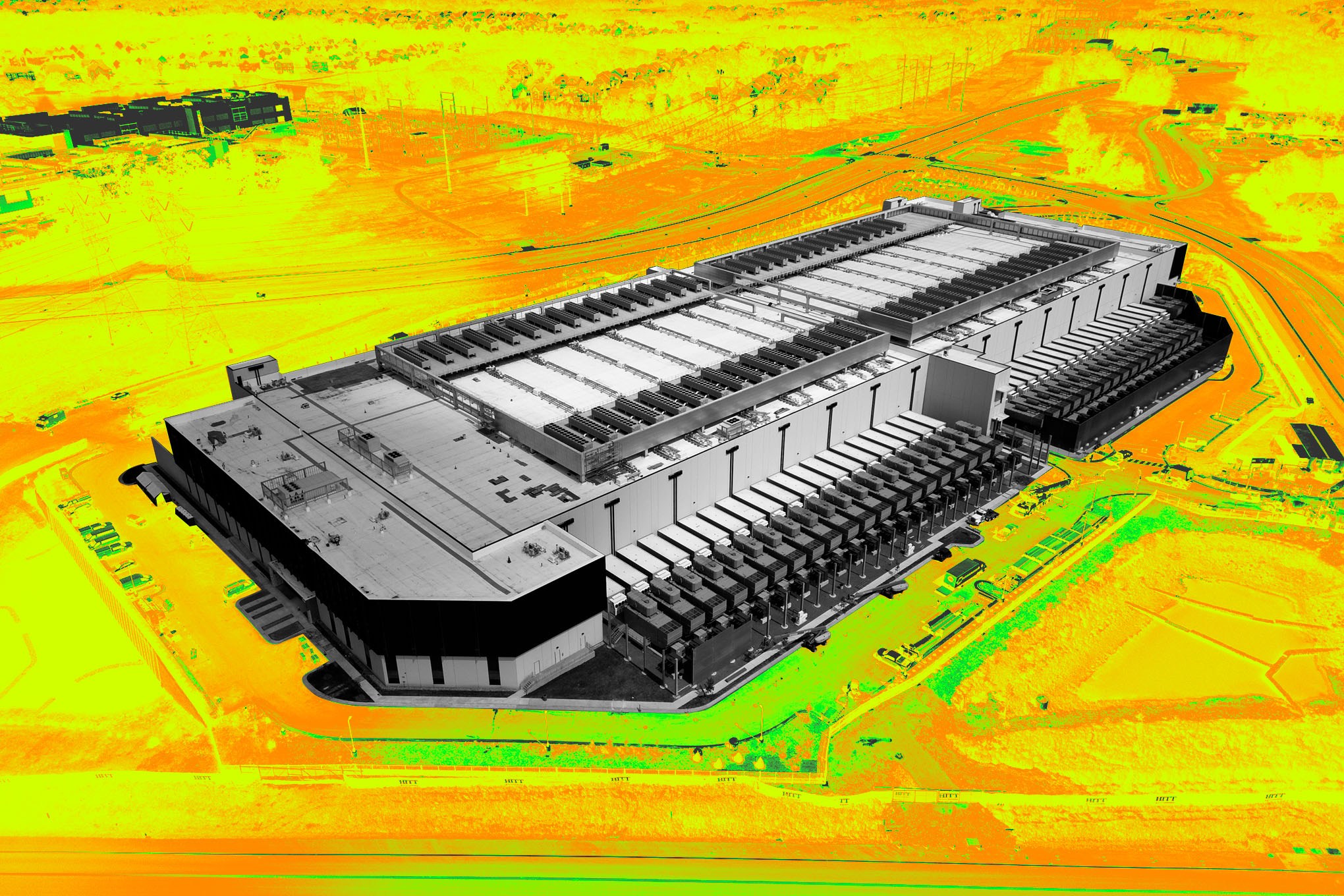
A new study from Texas reveals how the rapid growth of data centers is contributing to a rise in air pollution. As data centers become increasingly prevalent, they are demanding unprecedented amounts of electricity. The manner in which developers and utilities fulfill this demand—whether through gas turbines or renewable energy—could significantly impact the pollution levels.
Currently, the outlook appears concerning. Both tech companies and data center developers are exploring innovative methods to secure sufficient electricity, such as constructing their own power sources. However, if all proposed data center projects were to draw power from the Texas grid and rely on the projected grid mix, pollution would surge, erasing decades of progress in air quality.
In just five years, the pollution could surpass pre-2000 levels. Fine particle pollution, or soot, from the power sector could more than triple, reaching a peak not seen since 2006. NOx emissions, which contribute to smog formation, would increase by 136%, nearing 2004's pollution levels. Moreover, carbon dioxide pollution would rise by 90% compared to 2025 levels.
However, this bleak scenario is not inevitable. By analyzing various projections, HARC determined that data center energy demand could lead to heightened pollution. Developers can mitigate the environmental impact by incorporating solar and wind farms into their data centers. Implementing renewable electricity generation on-site could reduce NOx emissions by up to tenfold.
Nonetheless, relying on gas engines on-site could result in even more severe pollution conditions. Data center capacity is gauged by the amount of power they consume, and Texas is now the leading data center market, boasting 26 gigawatts of existing and under-construction capacity. Moreover, Texas is projected to accommodate four times more proposed data center capacity powered by on-site generated electricity than any other state, according to a separate report by Wood Mackenzie published in March.
Additionally, many developers are opting for less efficient gas turbine technology to expedite construction, exacerbating the pollution concerns associated with the data center boom. John Hall, CEO of HARC, emphasized the potential consequences, stating, "There is a good chance that our children and grandchildren will breathe dirtier air than we did."
He further warned that the progress made by the transportation sector, the state, and other stakeholders to reduce emissions over the years is now at risk.
Written by urgent.news from The Verge's reporting — not their text. Machine-written — may contain errors; check the original before relying on it.