Contract mining: Here are government’s 3 new measures to protect mineworkers
The Ministry of Lands and Natural Resources has announced three additional safeguards to protect workers’ wages, benefits and conditions of service as mining companies transition from owner mining to contract mining. The measures require the Minerals Commission to prevent deterioration in workers’ employment conditions, harmonise remuneration across the mining industry value chain and categorise…
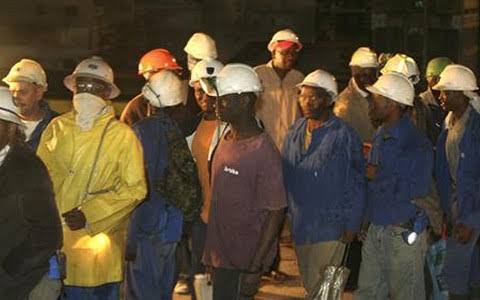
The Ministry of Lands and Natural Resources has unveiled three new safeguards to protect the wages, benefits, and working conditions of mineworkers as Ghana transitions from owner-owned mining to contract mining. These measures are intended to safeguard the rights and welfare of workers during the shift.
Firstly, the Minerals Commission is obligated to ensure that no worker under a contract mining arrangement experiences any decrease in wages, emoluments, benefits, or working conditions due to the transition from owner mining to contract mining. Additionally, the Commission must work towards harmonizing salaries, wages, and working conditions across the entire mining industry.
The government asserts that workers engaged in contract mining should receive equivalent salaries, wages, allowances, benefits, and incentives to their counterparts in owner mining operations.
Secondly, the Commission is tasked with categorizing eligible mining contractors based on their ability to provide mining-related services. This classification aims to address concerns raised by the Ghana Mineworkers Union, human resource experts, and other stakeholders regarding potential impacts on workers' remuneration and welfare during the transition.
Lastly, the measures supplement existing regulatory requirements and do not preclude the Minerals Commission from taking further lawful actions in alignment with the Minerals and Mining (Local Content and Local Participation) Regulations, 2020 (LI 2431). The government's decision to implement these safeguards stems from consultations with various stakeholders, including the Ministry, the Minerals Commission, leadership of the Ghana Mineworkers Union, industry experts, and other relevant parties.
The additional safeguards follow extensive consultations, which clarified the regulatory and policy basis of the contract mining directive and reaffirmed the government's commitment to not disadvantaging workers during the implementation of the policy. The government emphasizes that Ghanaian contract mining workers should receive equivalent salaries, wages, allowances, benefits, and incentives compared to owner mining workers performing comparable roles before the transition.
The policy stipulates that indigenous Ghanaian companies must undertake contract mining for surface mining operations, while for underground operations, this must be achieved through a partnership with a Ghanaian-owned company holding at least a 50% interest. This requirement has been in force since January 1, 2025, under the sixth edition of the Local Procurement List, as per LI 2431.
The Ministry acknowledges concerns about potential unintended consequences of the transition on salaries, wages, and working conditions. However, it notes that most multinational mining companies operating in Ghana have successfully transitioned to comply with the local content requirement, demonstrating the feasibility of the policy.
The Ministry warns against unfair labor practices such as labor contract disputes, cartelization, bid rigging, fronting, and any other actions that undermine true Ghanaian participation or harm workers. President John Dramani Mahama's Reset Agenda remains at the forefront of the government's commitment to fairness, transparency, genuine Ghanaian participation, and the protection of workers across the mining industry.
Written by urgent.news from Joy Business's reporting — not their text. Machine-written — may contain errors; check the original before relying on it.