Commentary: 'Made in Europe' label is wearing thin while Asia does the stitching
New transparency laws aim to close the gap between Europe’s luxury heritage narrative and its Asian factory floors, says an academic.
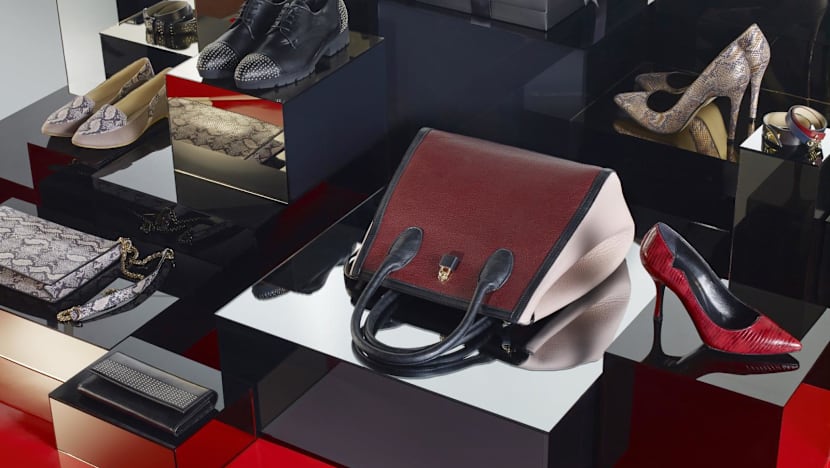
Europe's luxury fashion industry is viewed as a powerful form of soft diplomacy, projecting an image of timeless prestige and heritage. This perception resonates even in non-Western countries, as demonstrated by Kim Ju Ae's appearance in state media wearing a Dior jacket in North Korea. However, beneath this facade, a shift is occurring in the supply chain of these high-end garments.
Mandatory environmental, social, and governance regulations are being implemented, while investigations reveal extensive outsourcing of production to Asian countries. This results in a growing disparity between the perceived prestige of European brands and their actual manufacturing realities.
The "Made in (Country)" label is granted under EU customs regulations if the "last substantial transformation" of a product takes place within that country. This allows brands to outsource primary manufacturing to Asia while only performing minor final operations in Europe. The regulation lacks rigorous oversight, primarily relying on brands' self-declaration. This loophole enables luxury conglomerates to maintain their domestic heritage narrative while optimizing global supply chain costs.
While Italy's Reguzzoni-Versace Law aimed to restrict the label to products with at least two primary manufacturing stages in Italy, gaps persist. Recent legal proceedings have brought these Asia-Europe labor division dynamics into sharp focus. In 2024, Italian prosecutors uncovered illegal subcontractor networks supplying luxury brands like Dior and Armani, revealing Chinese-owned facilities operating as assembly hubs where bags produced for less than €100 were sold for thousands of euros.
Similar practices are reported in other European industrial centers employing Chinese migrant workers.
Despite these concerns, regional specialization in Asia is emerging, challenging the notion that low-cost, low-skill assembly lines are the only source of luxury. China offers technical infrastructure and specialized material processing, while Southeast Asia provides buffalo horn carving for jewelry and regional textile expertise. South Asia offers hand-embroidered dresses and runway tapestries, all of which contribute to the technical capabilities supporting European luxury brands.
However, European brand prestige is still heavily concentrated in Western fashion capitals, with symbolic power and marketing dominance remaining intact. The growing supply chain transparency is altering consumer attitudes, particularly in East and Southeast Asia. Younger demographics are increasingly rejecting the assumption that the West is the sole source of true luxury, with a growing willingness to support regional designers that highlight local craftsmanship and responsiveness.
A recent Bluebell Asia Consumer Lifestyle Report predicts an increasing trend among Asian consumers towards complementing or substituting European heritage brands with those emphasizing local craftsmanship.
To bridge the gap between Europe's luxury brand narratives and their actual manufacturing conditions, new legal frameworks like the EU Corporate Sustainability Due Diligence Directive (CS3D) mandate supply chain traceability. European policymakers must supplement corporate transparency directives with rigorous supply chain verification to safeguard both Asian labor rights and global consumer trust.
Instead of relying solely on strict origin labels, European luxury houses must acknowledge the contributions of Asian workers and artisans whose technical mastery sustains their runway visions through formal acknowledgment, equitable financial compensation, and guarantees of ethical working conditions.
Written by urgent.news from CNA - Business's reporting — not their text. Machine-written — may contain errors; check the original before relying on it.
This story
This is one outlet's version. Read the fullest account.
- Commentary: 'Made in Europe' label is wearing thin while Asia does the stitching channelnewsasia.com