Chrome warns you about suspicious websites now – how to turn on Google’s new scam protection
Google’s browser will flash two types of warnings based on whether the site is deemed dangerous or just suspicious.
Google is enhancing the security of its Chrome browser with a new feature to warn users about suspicious websites. This update builds upon Chrome's existing capability to alert users about known malicious sites. When a site is deemed suspicious, Chrome will now notify users, providing more context about why the site is considered suspicious. This may include information about similarities to sites associated with phishing, malware, or scams. Users can then decide whether to continue with caution or close the site.
The determination of whether a site is suspicious is based on a comparison with other deceptive or misleading sites, with the assistance of Google's AI model Gemini. Gemini analyzes various factors such as the site's content, the brand it represents, the site's intent, the domain's reputation, and more to generate a scam likelihood score. This allows Chrome to differentiate between suspicious sites and truly dangerous sites, presenting different warning levels accordingly.
For dangerous sites, Chrome displays a red warning that strongly advises users to leave the page immediately. Suspicious sites, on the other hand, receive a more subtle warning that still allows users to visit the site if they are certain it is legitimate. Google emphasizes that these new warnings are designed to be easily distinguishable, featuring different formats, icons, colors, and text to help users make informed decisions based on the context.
In addition to the suspicious site warnings, Google has also expanded Chrome's overall scam-detection capabilities. Last year, the company integrated Gemini's AI into Chrome to combat tech support scams, which involve scammers posing as technical support representatives to trick users into giving them remote access to their computers or convincing them to purchase unnecessary security software.
With this AI-powered security, Chrome can now alert users against a wider range of online scams, including fake antivirus warnings and bogus browser updates.
To protect user privacy, Google ensures that the amount of data shared with its back-end server is minimized. Data sharing only occurs when the site triggers a high level of scam signals, and no page content is logged, remembered, or used to train the AI. Furthermore, Chrome now detects attempts to trick users into manually copying and running malicious commands, wiping any personal data from the clipboard before analyzing it for potential danger.
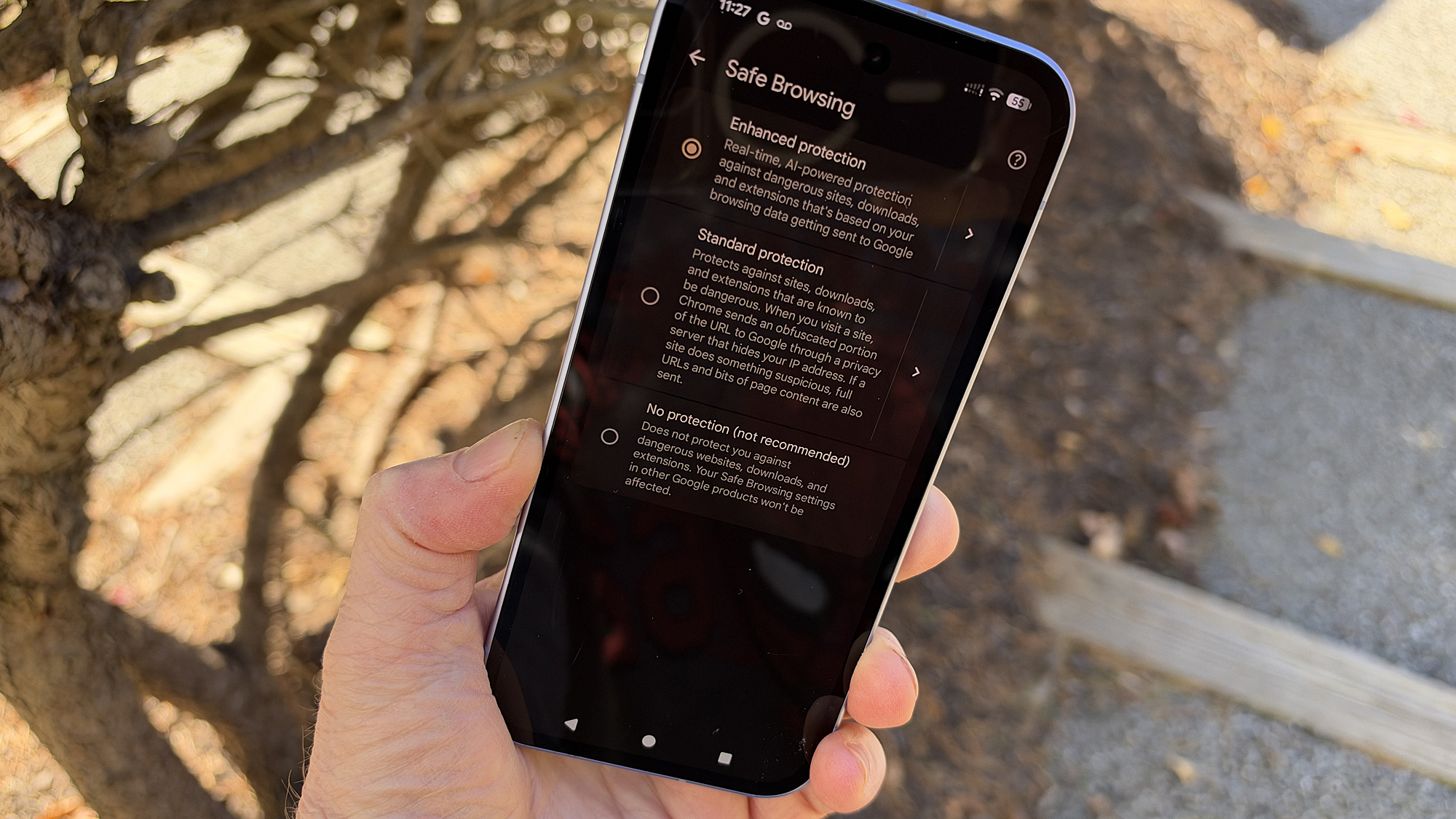
To take full advantage of these enhanced security measures, users need to enable Chrome's Enhanced Protection mode, which is the highest level available in the browser's Safe Browsing process.
Written by urgent.news from ZDNet's reporting — not their text. Machine-written — may contain errors; check the original before relying on it.
Also reported by 1 other outlet
- Google Chrome is done warning you about insecure websites after the fact androidauthority.com