Brookings paper offers broad plan to shrink Fed balance sheet
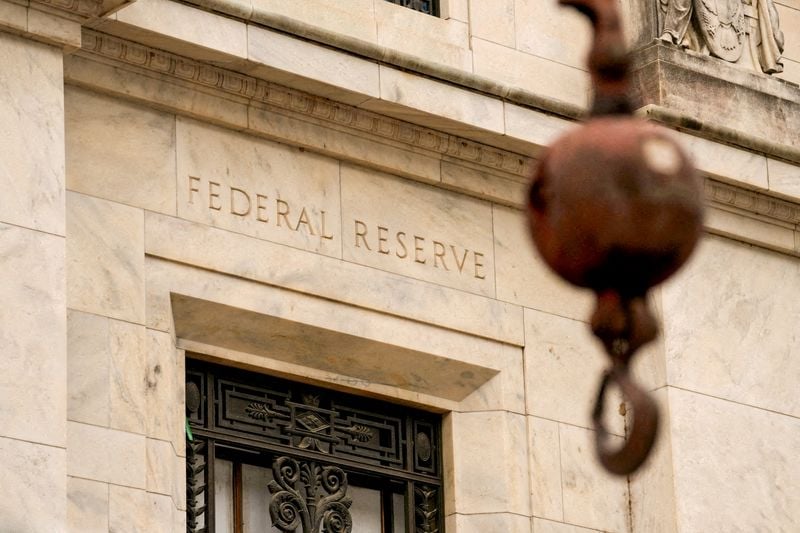
A new paper published by the Brookings Institution outlines a comprehensive plan to significantly reduce the Federal Reserve's balance sheet from the current $6.8 trillion to approximately $4.5 trillion. The proposed changes could also reduce the reserves in the financial system from around $3 trillion to $1 trillion. Chris Hughes, a Nonresident Fellow at the think tank’s Hutchins Center on Fiscal and Monetary Policy, argues that this is the opportune time for such bold changes, given that new Fed Chairman Kevin Warsh wants a smaller balance sheet and has appointed a task force to explore ways to achieve this.
The paper suggests that the Fed could transition to a system called "Elastic Reserves," which would provide liquidity on demand and be more responsive to market needs. This system is designed to be more flexible than the current "ample reserves" approach, which involves keeping the financial system well-stocked with cash. Hughes contends that large reserves distort financial markets and place undue pressure on the Fed, and that the current system hasn't been fundamentally challenged in nearly two decades since the global financial crisis.
The proposed plan includes eliminating caps on standing repo operations, introducing a new Term Liquidity Facility for four-month funding, and shifting Fed holdings to Treasury bills. The goal is to achieve a balance sheet size smaller than at any point since 2008 and to cut the interest paid to banks by roughly two-thirds.
Written by urgent.news from Investing.com's reporting — not their text. Machine-written — may contain errors; check the original before relying on it.