Brain changes after a stroke may help support cancer growth
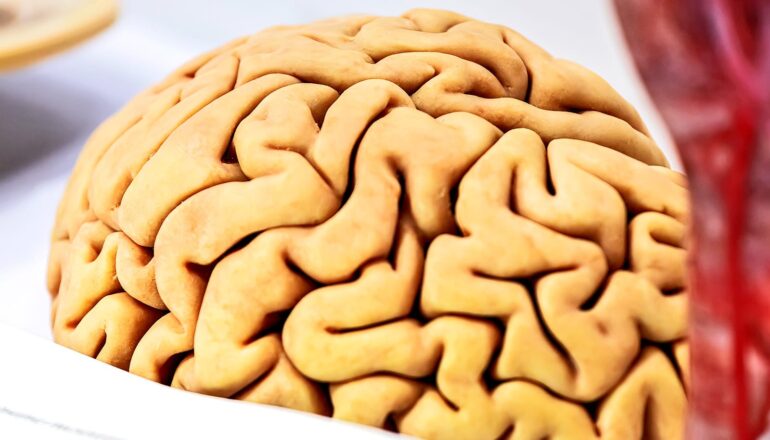
A new study published in Nature Cancer reveals that changes in the brain after a stroke may facilitate the growth and spread of gliomas, a type of brain cancer. After an ischemic stroke, caused by blocked blood flow, the brain begins repairing damaged tissue. However, this study suggests that certain biological processes aiding recovery may also contribute to tumor progression.
Qi Ye, an assistant professor at Virginia Tech's Fralin Biomedical Research Institute Cancer Research Center, emphasizes that glioma cells can take advantage of the brain's repair mechanisms to advance the tumor's growth. The researchers found that a stroke can reshape the tumor environment, heightening glioma growth and spread.
Previous studies had noted an association between brain injury and brain tumors, but the biological mechanisms behind this connection remained unclear. Through various experimental models, including those using glioma cells from patients, the researchers consistently discovered that a stroke accelerated glioma growth and increased tumor cell spread.
After a stroke, the tumor microenvironment undergoes significant changes, including alterations in immune cells and star-shaped glial cells called astrocytes. These astrocytes, which normally maintain the brain's normal environment and respond to injury, exhibit a distinct population after stroke, characterized by reduced calcium activity.
Calcium signaling is crucial for cell communication and regulating internal functions. The researchers discovered that increasing a protein called SLC4A4 in astrocytes restored calcium activity, reduced tumor growth, and prolonged survival in experimental models. Conversely, removing this protein had the opposite effects. While this study does not imply that a stroke directly causes brain cancer, it does elucidate how a prior stroke can modify the brain environment, potentially promoting glioma progression.
The researchers are now exploring whether these mechanisms could serve as targets for future glioma treatments, aiming to unravel the disease's largely incurable nature.
Written by urgent.news from Futurity's reporting — not their text. Machine-written — may contain errors; check the original before relying on it.