'Autonomously commanded from up to 70 miles away': The US military is testing self-flying cargo helicopters that navigate around sudden no-fly zones on their own
Airbus demonstrates an autonomous cargo helicopter that reroutes around restricted airspace, using Hivemind for navigation and Starlink for remote commands.
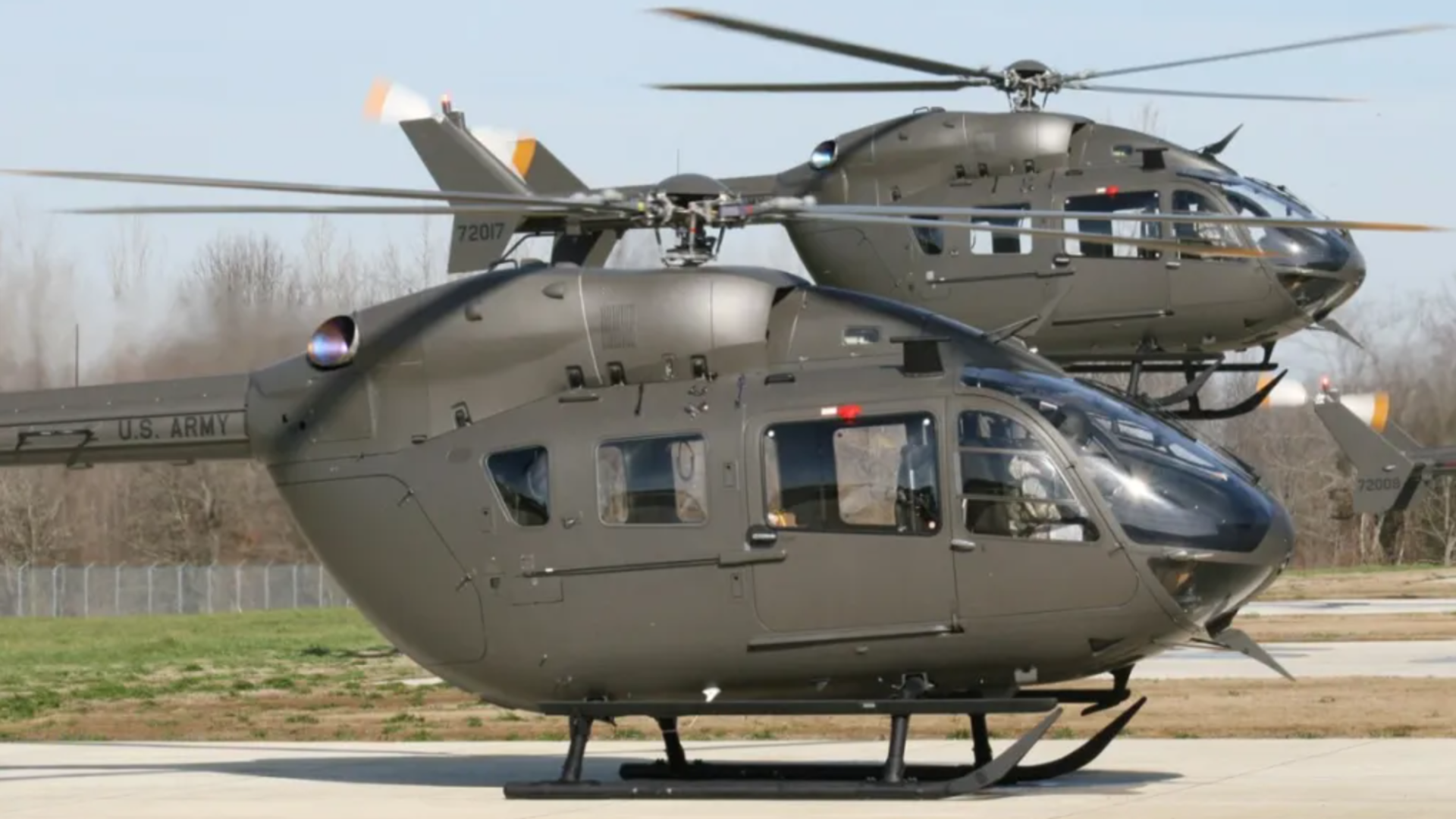
The U.S. military is investigating self-flying cargo helicopters that can autonomously maneuver around unexpected no-fly zones from distances up to 70 miles from operators. Airbus' MQ-72C Lakota Connector, a cargo variant of the UH 72B Lakota helicopter, is being tested with this capability. Operators controlled the helicopter using Starlink satellite communications from a distance of 70 miles, while onboard autonomy software handled navigation and responses to changing conditions.
Shield AI's Hivemind software played a role in interpreting imagery gathered by the helicopter's sensors, enabling it to calculate alternative routes when confronted with restricted airspace. During tests at Huntsville Executive Airport in Alabama, the MQ-72C successfully navigated complex turns, autonomous hovering, and conventional airport traffic patterns.
A safety pilot remained aboard during the trials, though he never needed to take control. The MQ-72C's autonomy relies on Shield AI's Hivemind software and two LiDAR sensors for environmental information. However, it needs cargo conversion modifications and further testing before it can be deployed for military use. The Army is interested in autonomous cargo delivery for long-distance air assaults, with other contenders including the AW139, Black Hawk, Robinson R66, and Bell 505.
Written by urgent.news from TechRadar's reporting — not their text. Machine-written — may contain errors; check the original before relying on it.