Australia's 29 artificial tree hollows yield first palm cockatoo fledgling
A palm cockatoo chick has recently fledged from an artificial hollow in the Cape York Peninsula, marking a positive step for conservationists. They installed 29 artificial nesting hollows to combat the lack of natural breeding sites. This first successful breeding event is a pivotal achievement in palm cockatoo conservation. Ongoing monitoring will assess how well these new hollows can facilitate…
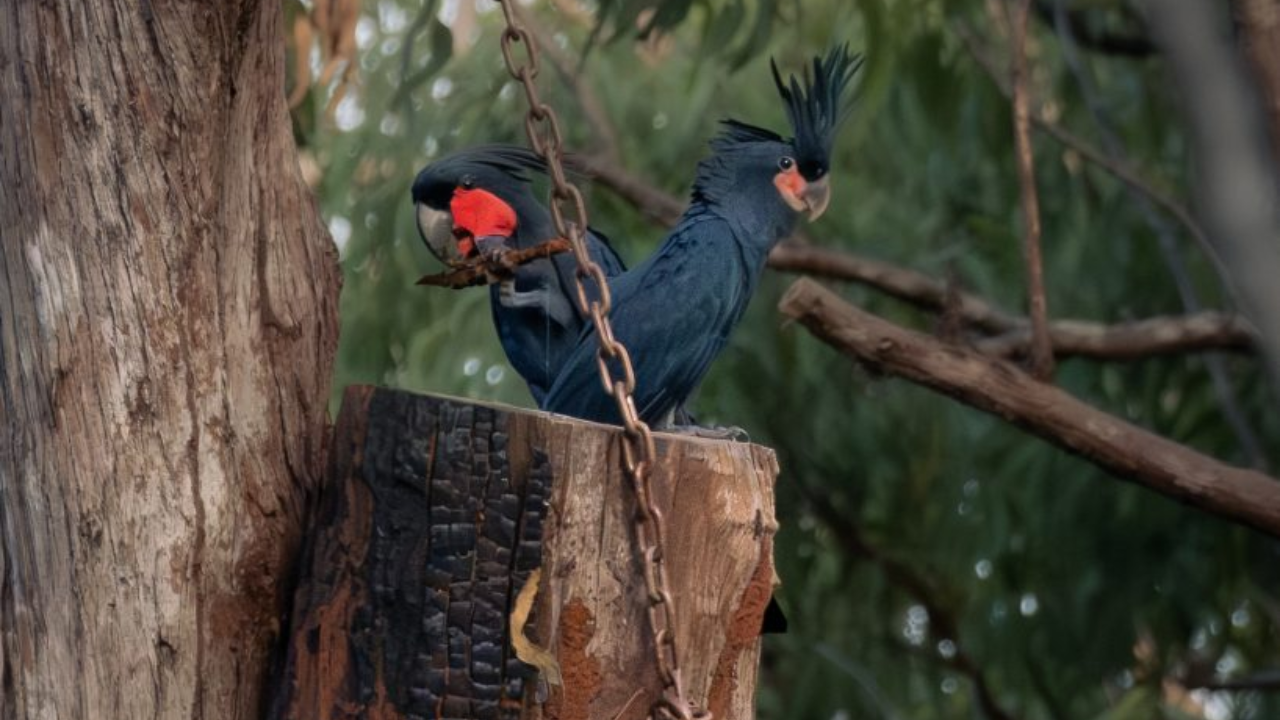
Australia's Cape York Peninsula has seen a groundbreaking moment for an endangered species as a palm cockatoo chick hatched and fledged from an artificial tree hollow, reported ABC News. Conservationists installed 29 such hollows in northern Cape York due to a lack of suitable old-growth trees, which are crucial for palm cockatoo breeding. An adult pair laid an egg in one of these new hollows just a month after installation, indicating artificial habitats could help restore critical breeding grounds.
The project, led by People for Wildlife in collaboration with Apudthama Traditional Owners and palm cockatoo expert Dr Christina Zdenek, is the first recorded instance globally of a palm cockatoo chick successfully fledging from an artificial hollow. Palm cockatoos, known for their black feathers, prominent crests, large bills, and bright red cheek patches, depend on large tree hollows, typically found in trees around 300 years old.
Creating these spaces from scratch is challenging, as they form slowly due to termite and fungal decay, or cyclones breaking off tree tops.
With fewer than 2,000 palm cockatoos remaining in the wild, their slow reproductive rate and the rarity of suitable nesting sites make conservation efforts vital. The artificial hollows, supported by grants and funding, aim to supplement natural sites while ongoing monitoring ensures the birds' continued use and chick survival. However, the success marks a breakthrough but not a complete solution, as palm cockatoos still need natural habitats for food, safe territories, and protection from environmental threats.
Written by urgent.news from Times of India's reporting — not their text. Machine-written — may contain errors; check the original before relying on it.