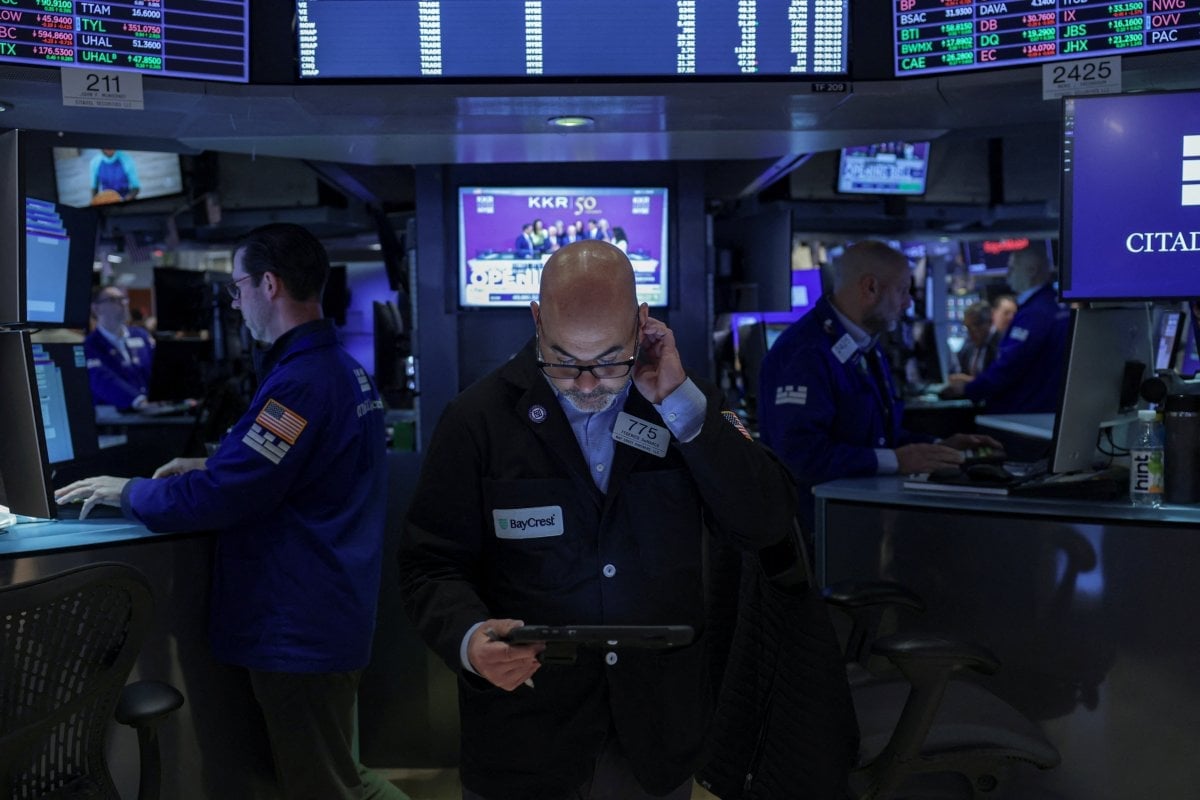
Asia FX subdued as dollar hovers near 3-week low, rupee extends rally
Asian currencies remained relatively stable on Wednesday as the US dollar reached a three-week low, with cautious investors influenced by easing Treasury yields and volatile oil prices. The US Dollar Index gained 0.1% to 101.77 by 01:15 ET (05:15 GMT) after a 0.3% decline on Tuesday to its lowest since October 1. The greenback's appeal diminished due to lower crude prices and falling Treasury yields in the previous trading session.
Currency markets are sensitive to changes in US Treasury yields, energy prices, and expectations for central bank policies. The Japanese yen's USD/JPY pair traded flat near 158 yen due to intervention fears. China's yuan remained steady on the onshore (USD/CNY) and offshore (USD/CNH) markets after reaching four-year lows in the prior session, supported by robust economic data and the People's Bank of China's daily fixing.
China's economy grew 4.5% year-on-year in Q3, surpassing forecasts. The South Korean won (USD/KRW) fell 0.3%, while the Singapore dollar (USD/SGD) traded flat. The Australian dollar (AUD/USD) rose 0.1% to $0.7010, nearing a three-week peak following the Reserve Bank of Australia's Deputy Governor Andrew Hauser's remarks. His comments fueled expectations that the RBA might continue its restrictive policy for a longer period.
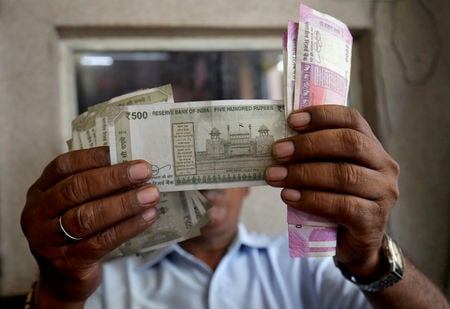
The Indian rupee (USD/INR) was a notable performer, extending its winning streak as measures by the Reserve Bank of India to curb dollar demand and anticipated inflows linked to Jio Platforms' initial public offering bolstered the currency. The USD/INR pair slipped 0.2% to 94.57 rupees, marking its ninth consecutive decline and the lowest level since early September.
However, rising oil prices pose a significant risk to the rupee, considering India's heavy reliance on imported energy. Brent crude increased 1.5% to above $110 a barrel in early trade on Wednesday, indicating ongoing Middle East supply concerns. The focus will shift to a series of key central bank meetings next week, with the US Federal Reserve, European Central Bank, and Bank of Japan set to announce policy decisions between October 28 and 30.
The Fed is expected to hold interest rates at 3.75%-4.00% on October 28, while markets anticipate a resumption of tightening in December. The Bank of Japan is expected to maintain its policy rate at 1.25% following its September increase to a 31-year high, but investors will closely examine its updated inflation forecasts and Governor Kazuo Ueda's guidance for insights into the timing of its next rate hike, potentially in December.
Written by urgent.news from Investing.com's reporting — not their text. Machine-written — may contain errors; check the original before relying on it.