Urgent.News

What's breaking now, across thousands of outlets.

Tech

Apple & DOJ antitrust suit reaches impasse over document collection

The DOJ's antitrust case has run long, and now the DOJ fears some new evidence may have emerged in the previous year that will prove once and for all Apple is in the wrong. But document collection has ended. DOJ's antitrust lawsuit against Apple hits another wall Apple is being sued by the United States Department of Justice on antitrust grounds , though every charge has been rendered moot in the…
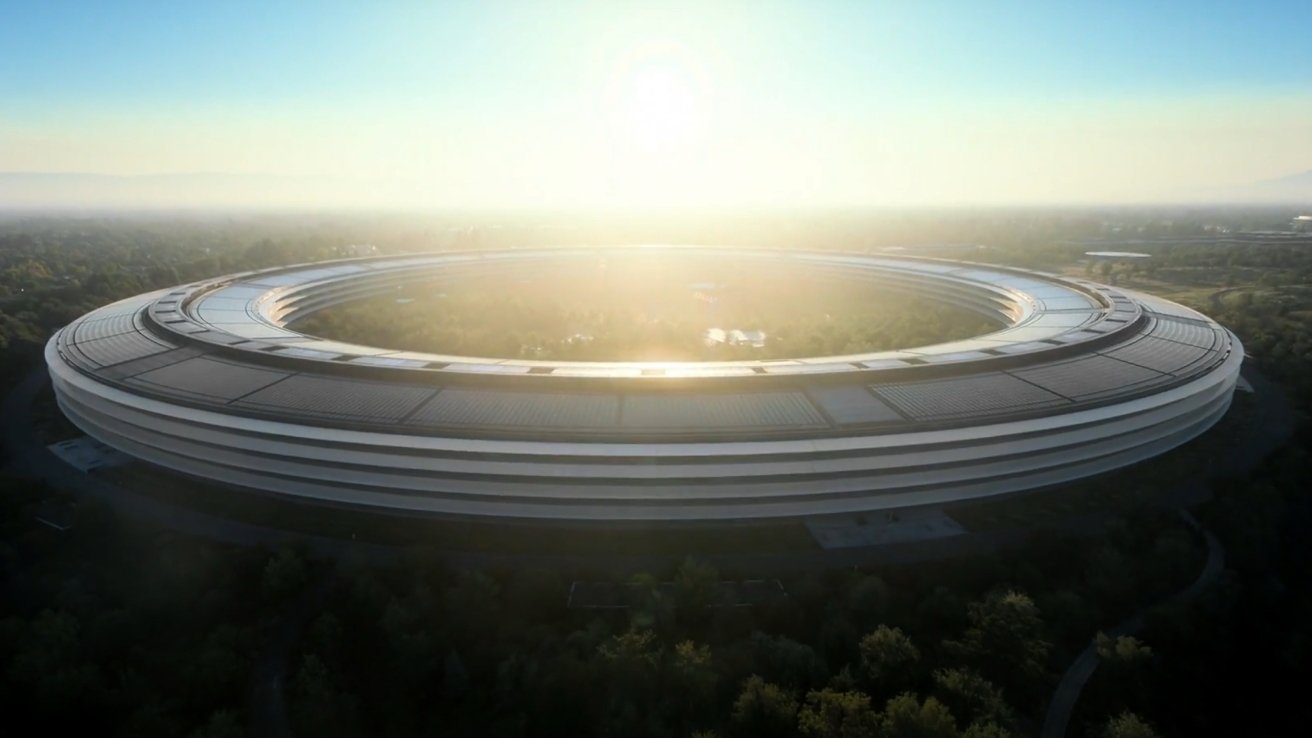
Apple & DOJ antitrust suit reaches impasse over document collection

The United States Department of Justice has reached an impasse with Apple in their antitrust lawsuit, despite the court extending the deadline for document collection. The DOJ is seeking additional documents from Apple, but Apple argues that doing so would extend the case by 22 months, causing further delays. Over 11 million documents have already been evaluated, covering an 18-year period.

Both sides reached a stalemate, with the court now determining if Apple should provide more recent documents or if the DOJ's case lacks sufficient evidence.

Written by urgent.news from AppleInsider's reporting — not their text. Machine-written — may contain errors; check the original before relying on it.

Read the original at appleinsider.com →

More in Tech

I built PhoneEar

Watch the intro video Ever wanted to watch something on your Mac but hear it in your phone's headphones? It was late, I was watching a show on my MacBook, and my headphones were plugged into my…

Your Stack Has a Size. Flisk Only Fits One of Them.

"We have microservices" is not a sizing input. Twelve services in one Compose file is a different job from twelve services that each own a manifest, a route, and a health check.

  • Flisk specializes in managing stacks with 2-5 containerized services
  • It streamlines deployment by generating Docker Compose file and running Tilt loop
  • Flisk falls short for larger stacks due to scaling memory requirements

Every CLI You Run Has Your SSH Keys, Your `.env`, and Your Cloud Tokens. Here's a 100-Line Fence Around That.

In April 2026, a malicious version of the Bitwarden CLI was published to npm. It was live for about ninety minutes. In that window it read SSH keys, .env files, and AWS, Azure and GCP credentials off…

  • Malicious Bitwarden CLI version accessed SSH keys, .env files, cloud credentials in April 2026
  • OVHcloud CLI repository compromised due to bad build in October, blocked within 94 minutes
  • ghl-jail tool restricts CLI operations to designated project folder, denies access to sensitive data

Duplicate titles and meta descriptions on a docs site

Originally published on headlark.com . Docs sites grow by copying pages. A new section starts as a copy of an old one, every product area gets an "Overview" and a "Configuration" page, and the…

  • Duplicate titles and meta descriptions cause search engine issues
  • Docusaurus derives descriptions from first Markdown line, disregarding some elements
  • Starlight and VitePress use site-wide description for pages without custom descriptions

There Are Two Dockerfiles. Your Agent Should Touch Neither.

A coding agent will edit a Dockerfile the way a helpful intern edits a wiki: confidently, locally, and with no memory of the last time someone did the same thing three services over.

  • Flisk tool creates two Dockerfiles in a project
  • One Dockerfile runs, the other looks like source code
  • Editing plain Dockerfile not recommended unless building outside Flisk

More from Wednesday 21 October →