Always tired? To reclaim energy, 6 Singaporeans try these small biohacks that could help you too
From late workouts to doomscrolling, everyday habits can take a toll. With guidance from NUS researchers, six participants in the series, Restless: Biohacking Better Health, discover how “micro” adjustments can make a difference.
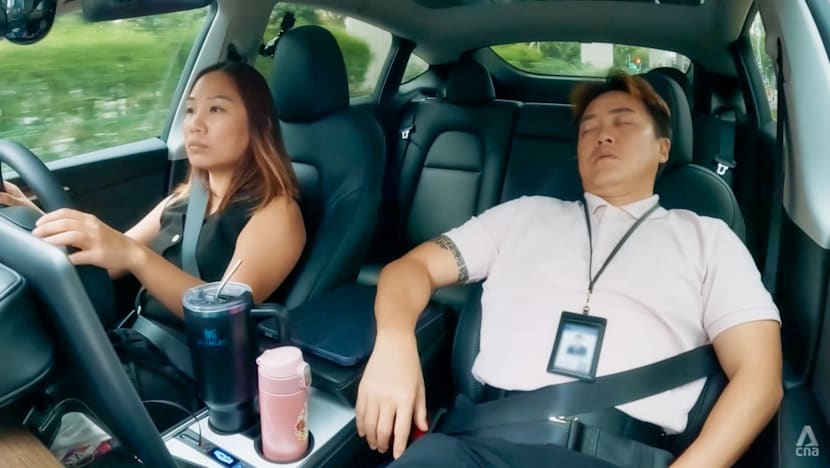
Many Singaporeans are plagued by fatigue, attributing it to their demanding schedules and lack of recovery time. Jeffrey Pang, a property agent, experiences extreme tiredness around 2pm after spending hours on the road for work and school run commitments. His wife fears he may become a road hazard due to his dozing off. Despite this, he feels he has to provide for his family, causing tension at home.
Dean Ho, a digital medicine expert at NUS Medicine, guided six individuals through a two-part series, Restless: Biohacking Better Health, to test small adjustments to their routines. Ho discovered Pang was training for strength four times a week but sleeping only 4-5 hours per night, causing a mismatch between his workout load and recovery time.
To enhance recovery, Ho recommended cutting his workouts to 90 minutes, going to bed earlier, and placing his phone out of the bedroom. By the fifth week, Pang had increased his sleep time to over seven hours and notably improved his testosterone levels by nearly 50%. Additionally, Pang's family noticed better engagement and less irritability.
Another participant, Tommy Yeow, a final-year undergraduate, relied on coffee and a muffin to stay awake until late at night, averaging 5-6 hours of sleep. Ho advised moving his morning coffee and muffin break to 2pm, replacing evening runs with weekend activities, and adopting deep breathing exercises for stress management. This resulted in Yeow averaging over 7.5 hours of sleep and reduced screen time to about seven hours.
Gelsey Tan, a 45-year-old IT business partner and mother, often stayed up until 1am watching television, leaving her with five to six hours of sleep. She now aims to sleep 15 minutes earlier, resulting in improved rest and overall well-being.
Written by urgent.news from Channel News Asia's reporting — not their text. Machine-written — may contain errors; check the original before relying on it.
This story
This is one outlet's version. Read the fullest account.