All screen time may not be bad for children
The effects of screen time on young children may depend on more than just how long they spend in front of a device, according to a new study.
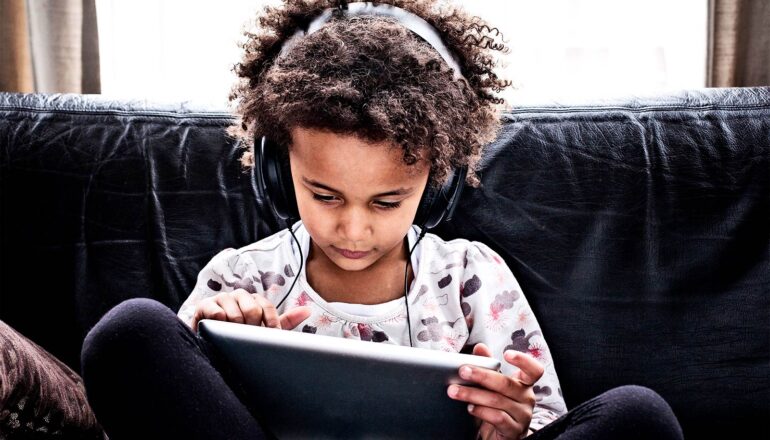
A new study suggests that not all screen time is detrimental for children, as its effects can be influenced by factors beyond just the duration of usage. The research, led by a University of Georgia researcher, indicates that what children watch, their age, and parental involvement can significantly impact their viewing experience.
One key aspect mentioned in the study is "coviewing," which refers to parents watching and discussing media with their children. This practice can help young viewers comprehend the content they are exposed to. The researchers advise being mindful of the material children consume, stating, "We need to be aware of what our children are actually watching."
While it may seem that all screen time is detrimental, certain programs have been found to have positive effects on young viewers. For instance, shows like "Daniel Tiger" promote social skills, while "Sesame Street," "Between the Lions," and "SuperWhy!" are associated with enhanced letter and sound recognition among preschoolers.
The researchers explain, "If children are watching prosocial content, they will have values like empathy or compassion. If children are watching violent content, they may exhibit physical aggression."
The amount of time children spend in front of screens also plays a crucial role. Excessive screen use can displace other essential activities such as reading, outdoor play, and family interactions. Moreover, evening media consumption has been linked to sleep problems. Among young children, heavy screen usage has been associated with poorer language development, smaller vocabularies, and other learning challenges.
It is essential to note that the impact of screen time varies depending on the age of the child. Younger children, including infants and toddlers, learn primarily through play, exploration, and face-to-face interaction. The study found that heavier screen use among this age group was linked to poorer language development and learning concerns.
The study particularly focused on children from low-income households, as previous research has indicated that these families often allocate more time to media due to work schedules, limited childcare options, and other pressures. Modern devices are portable, personalized, and often driven by algorithms, allowing children to access an endless stream of content across various rooms. Coviewing becomes even more crucial in this context, as it helps parents guide children through the content they are consuming.
The researchers emphasize that coviewing does not imply turning every cartoon into a lesson. It can be as simple as watching programs together, engaging in conversations, or discussing the content afterward. By being aware of what children are viewing, parents can play a significant role in fostering healthier media habits.
While the goal is not to eliminate media entirely from children's lives, the researchers stress the importance of building healthier media habits. They caution against applying one-size-fits-all rules, as each family has unique schedules, resources, and needs. As technology continues to evolve, recommendations regarding screen time may also change. The study was published in the Journal of Evidence-Based Social Work.
Written by urgent.news from Futurity's reporting — not their text. Machine-written — may contain errors; check the original before relying on it.