AI has made cyber attacks easier, puts human minds at risk - Inuwa warns
The Director-General of the National Information Technology Development Agency, NITDA, Kashifu Abdullahi Inuwa, has warned that artificial intelligence, AI, is making cyber attacks more sophisticated, increasing the risk of online fraud, social engineering, deepfakes and disinformation. Addressing ICT journalists in Abuja, Inuwa said cybersecurity in the age of AI differs significantly from…
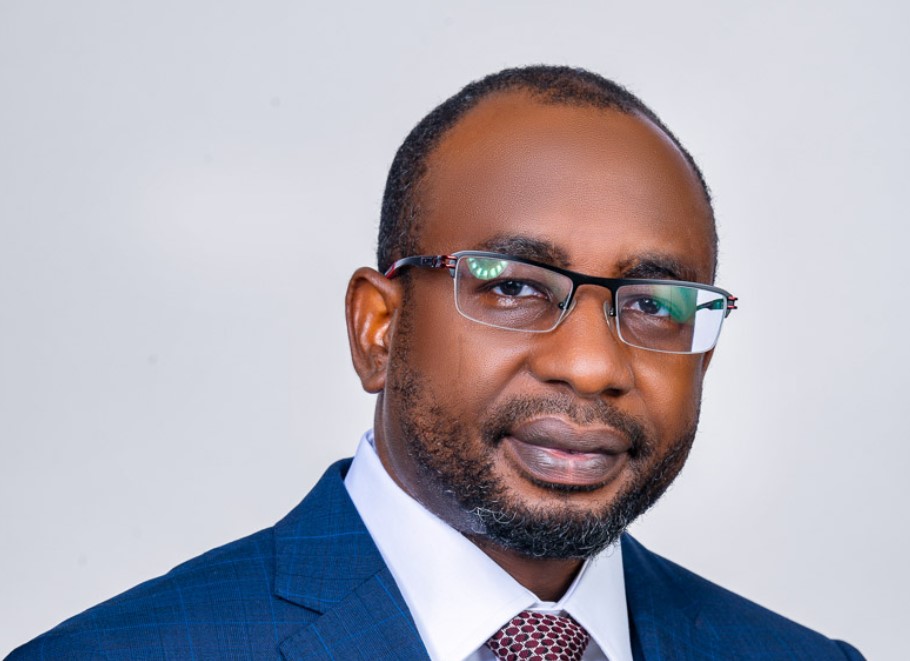
The Director-General of Nigeria's National Information Technology Development Agency, Kashifu Inuwa, has cautioned that artificial intelligence (AI) is making cyber attacks more sophisticated and elevating the threat of online fraud, social engineering, deepfakes, and misinformation.
Speaking to ICT journalists in Abuja, Inuwa explained that cybersecurity in the age of AI is markedly different from traditional attacks before AI's widespread adoption. He noted that AI can bolster both offensive and defensive cyber strategies, making attacks more successful and defense mechanisms more robust. "Attacking with AI is more successful than attacking before AI. Likewise, defending," he emphasized.
Inuwa highlighted the potential dangers posed by AI agents used to automate organizational workflows. If hackers manage to hijack these systems, they could gain control over the organization, making cyber attacks significantly easier. He illustrated this by comparing the situation to someone taking over control of an organization's staff, thereby facilitating cyber attacks.
While acknowledging that AI could improve threat detection and enable more effective responses to security breaches, Inuwa stressed the growing vulnerability of human beings to cybercriminals. He pointed out that cybercriminals are increasingly targeting humans by exploiting psychological weaknesses and employing social engineering tactics instead of directly breaching computer systems.
"It's easier for me to hack humans than hacking systems," Inuwa remarked. He questioned why hackers would invest time and effort in breaking into systems when they could easily manipulate individuals through social engineering.
Inuwa expressed concern over the pervasive influence of social media, noting that people's increasing reliance on online platforms for news and information makes them susceptible to AI-generated content designed to manipulate their beliefs and decisions. "Imagine someone using AI-generated content, manipulating us, controlling what we see, what we believe, and so on," he cautioned.
To address these challenges, Inuwa stressed the importance of protecting both technological infrastructure and human networks against misinformation, disinformation, and fake news. He argued that national cybersecurity must extend beyond computer systems to encompass the information that people consume. He further noted that the Nigerian Communications Commission (NCC), the National Information Technology Development Agency (NITDA), and the Office of the National Security Adviser (ONSA) would collaborate to disseminate awareness about the cybersecurity risks posed by AI.
Written by urgent.news from Daily Post Nigeria's reporting — not their text. Machine-written — may contain errors; check the original before relying on it.