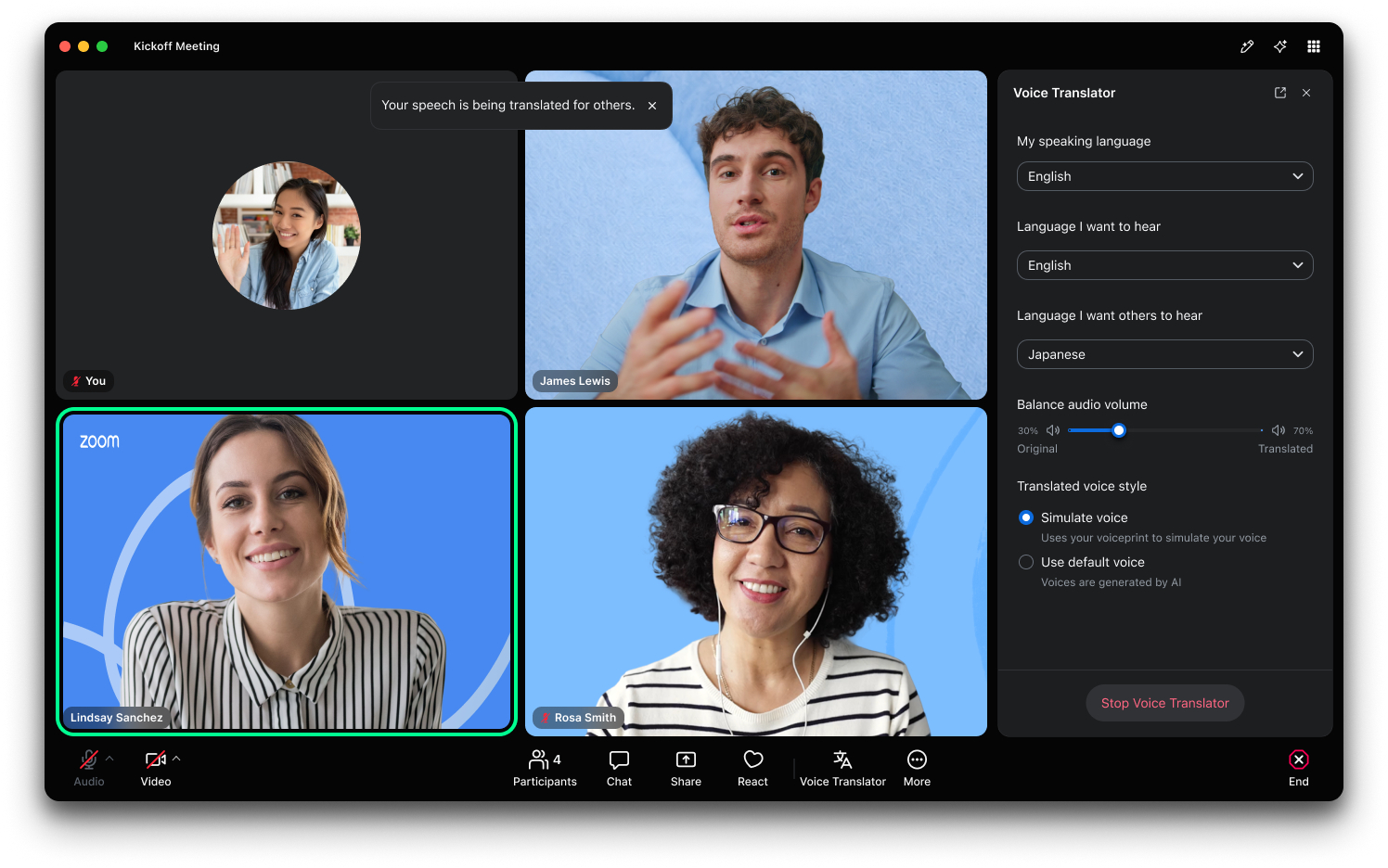
Zoom's new Unified Context Layer unlocks all of your company's complex conversations and video calls for AI agents to use
Unified Context Layer promises to give AI agents a far easier way to scan through all your Zoom chats, calls and more.
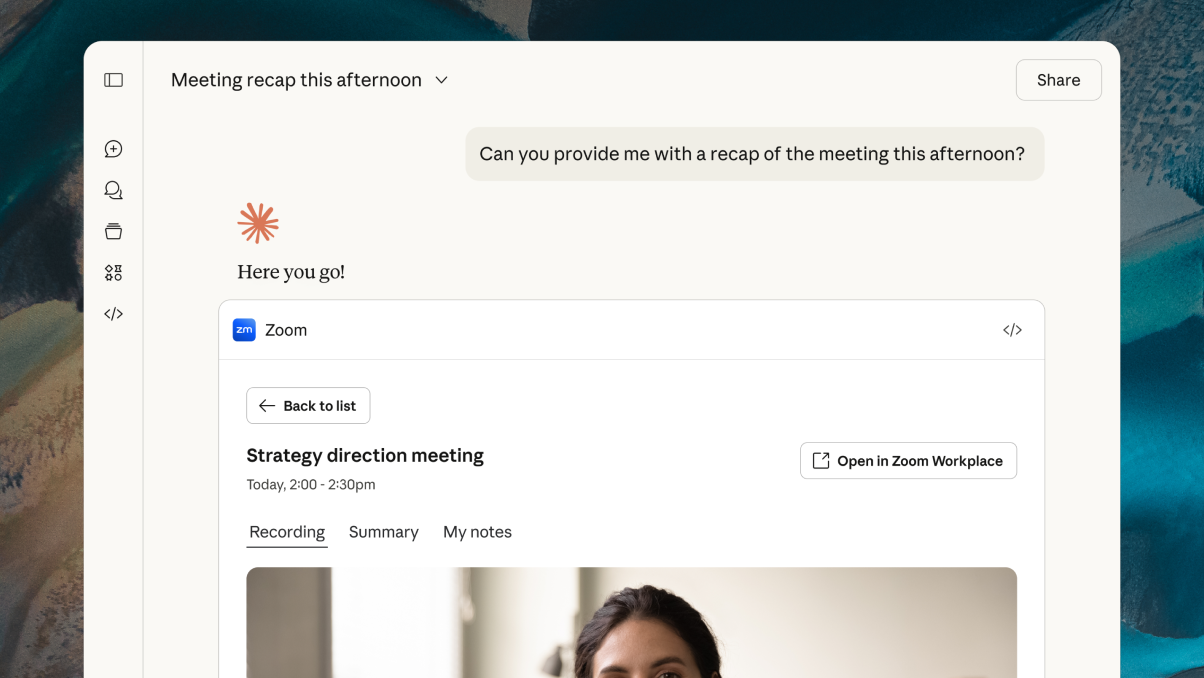
Zoom has introduced the Unified Context Layer (UCL), a new API that allows third-party AI agents direct access to a company's complex conversations and video calls. This development comes as businesses grapple with increasingly siloed and intricate systems, making it challenging to effectively deploy AI on top of existing technology stacks.
By unifying meeting conversations, chats, documents, and other business data into one connected system, UCL aims to ease the burden on humans who currently spend time explaining context to AI agents. The Unified Context Layer also marks Zoom's broader transition from a video conferencing platform to a full-fledged productivity suite that caters to both human and agentic users.
By providing AI agents with access to near real-time activity across Zoom and connected third-party applications, UCL empowers humans and AI agents alike to consume business context that might otherwise be lost or segregated. This innovation holds significant implications for productivity, as workers will need to spend less time gathering disparate pieces of context to optimize AI agent performance.
While other platforms have implemented Unified Context Layers, Zoom's UCL is particularly noteworthy given its primary function as a communication tool. By tapping into this underutilized source of intelligence, Zoom's early adoption of a UCL could prove instrumental in shaping the future of AI agents not just within Zoom, but across enterprises as a whole.
Written by urgent.news from TechRadar's reporting — not their text. Machine-written — may contain errors; check the original before relying on it.