World Series Matchup Highlights Financial Savvy of Brewers, Rays
The two league champions used several shrewd moves to fuel their rise.
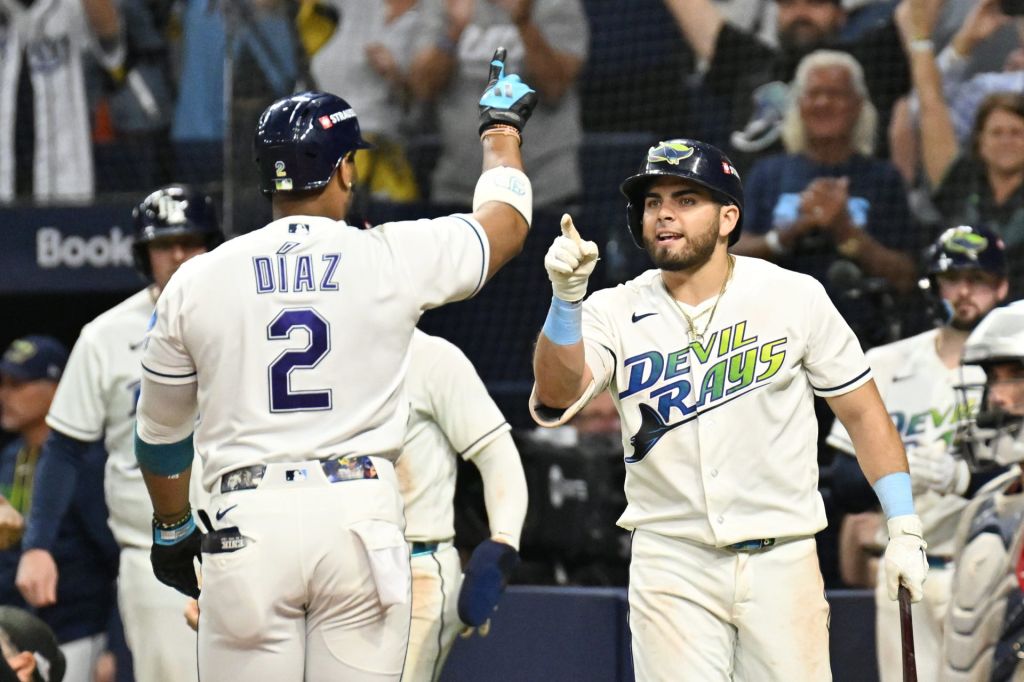
The 2026 World Series between the Tampa Bay Rays and Milwaukee Brewers highlights not just the teams' exceptional season performance, but also their disciplined financial management which has propelled their rise to this stage and potentially sets them up for future success. The matchup, featuring MLB’s 19th highest spender in luxury tax payrolls ($154.7 million) and the 27th highest at $113.2 million, brings together two teams that have never won a World Series title, promising the league its first small-market champion since the 2015 Royals.
Despite initial lack of prediction, the Brewers and Rays have been division leaders since mid-May, clinched postseason spots first, and displayed a relentless style of play with combined 14–3 records this month. Their rise can be attributed to critical factors in roster development, notably an absence of long-term, expensive contracts.
Tampa Bay’s longest deal is a three-year pact with designated hitter Yandy Díaz, while Milwaukee’s largest contract is a nine-year, $215 million deal with outfielder Christian Yelich—an outlier among the club’s roster. Both teams have minimal dead money from players not currently on the roster or playing key roles. Major contributors among lower-revenue clubs are their younger stars outperforming salaries and being ineligible for free agency.
Milwaukee's Jacob Misiorowski, likely National League Cy Young winner, earned $788,300 this season, slightly above the league minimum, and won’t be eligible for arbitration until after the 2028 season or a free agent until late 2031. Similarly, Rays’ Junior Caminero, American League MVP candidate, won’t become a free agent until after 2030 and earned $794,800 this season.
The Brewers have signed several young stars and top prospects to team-friendly long-term deals, including Cooper Pratt, Jackson Chourio, and Luis Lara, a strategy adopted by other clubs like the Braves, which will save Milwaukee hundreds of millions over the long term. Midseason acquisitions further bolstered both teams, with the Rays obtaining Freddy Peralta, American League Championship Series MVP, from the Mets during a trade deadline deal, and the Brewers securing pitchers Dustin May and JoJo Romero from the Cardinals, with meaningful roles in the playoffs.
Ironically, the Brewers traded Peralta to the Mets last offseason, now facing him in the World Series. Effective drafting and scouting, including stars like Misiorowski, Chourio, and Tampa Bay first baseman Jonathan Aranda, drafted or acquired as international free agents, significantly contributed to their success. Both teams have consistently been playoff contenders, with Milwaukee in the playoffs eight of the last nine seasons and Tampa Bay in six of the last eight years.
However, the financial strategies of the Brewers and Rays could become a key issue in ongoing labor negotiations between MLB and the MLB Players Association. Management proposes a hard salary cap, restrictions to free agency, and an overhaul of the MLB draft, which the union opposes, particularly the salary cap, and aims to preserve the current market-based economic system.
With the current deal set to expire in December, a potential lockout looms, possibly making the upcoming World Series the last MLB games for some time.
Written by urgent.news from Front Office Sports's reporting — not their text. Machine-written — may contain errors; check the original before relying on it.
Also reported by 1 other outlet
- Brewers, Rays Ready For Rare World Series Matchup sports.yahoo.com