Why the internet says You Can See Everything must be seen in theaters
Nathan Fielder interviews Elizabeth Holmes in an A24 documentary that's got audiences and critics speaking out.
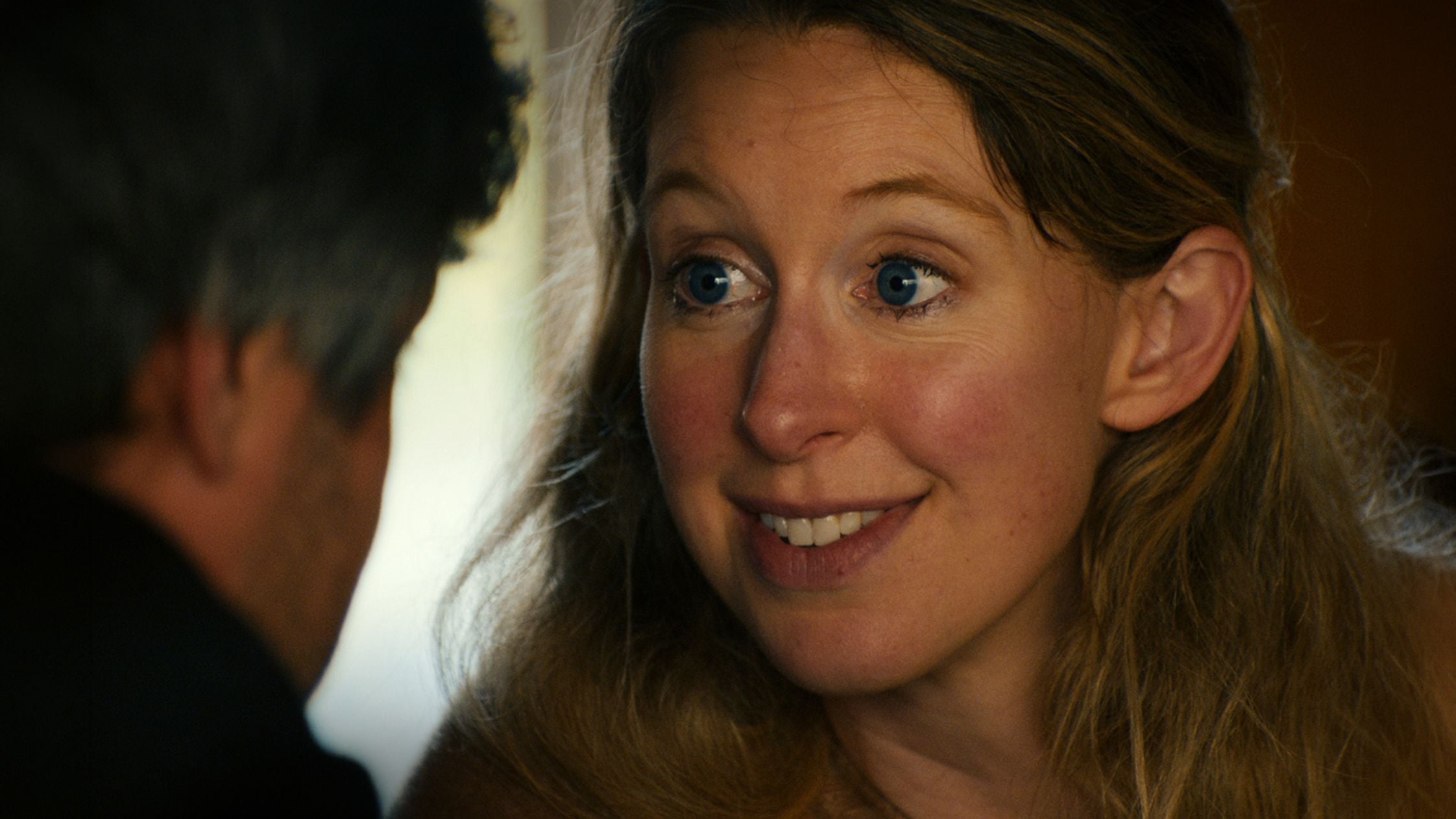
You Can See Everything has taken the internet by storm since its teaser dropped. People have been captivated by the notion of comedian Nathan Fielder producing a documentary about Elizabeth Holmes, the founder of controversial biotech company Theranos. The movie received high praise from critics, and rumors about its content spread like wildfire online.
When it finally premiered last weekend, audiences flocked to theaters, breaking a record for the best opening of a documentary in a decade, according to Deadline. The record previously belonged to Melania, which made $7.1 million in its opening weekend. This accomplishment is even more impressive considering You Can See Everything is only playing in fewer than 1,000 theaters across the U.S. and runs nearly three hours long.
The hype surrounding the film continues to grow, with fans not only discussing spoilers on social media but also advocating for theater screenings. While critics typically advise seeing a film in theaters for its cinematic experience, You Can See Everything enthusiasts have a different reason: the film demands to be experienced in a crowd.
Numerous posts on social media platforms like Threads and X showcase fans' excitement, with some sharing video of the lobby after screenings, where audience members gather to discuss the film. Tyler Dema, a viewer, highlighted how watching the movie in a theater filled with people was a unique and communal experience. He emphasized that Fielder and Fielder intended for audiences to be "gooped and gasping and guffawing" together, creating a sense of community throughout the wild journey.
Written by urgent.news from Mashable's reporting — not their text. Machine-written — may contain errors; check the original before relying on it.