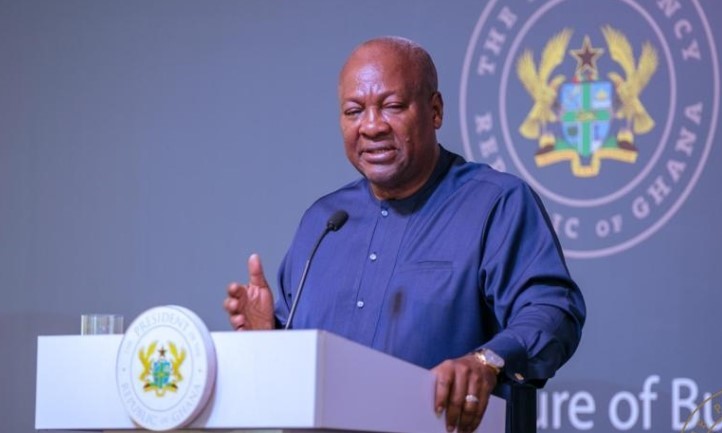
West African ports need connected digital systems to facilitate trade – World Bank specialist
West African countries need to improve coordination and connect their digital systems across ports and trade corridors to enhance efficiency and facilitate regional trade, Mr Satya Sahu, Senior Trade Facilitation Specialist at the World Bank Group, has said. The post West African ports need connected digital systems to facilitate trade – World Bank specialist appeared first on Ghana Business News…
West African nations must enhance coordination and integrate their digital systems across ports and trade routes to boost efficiency and bolster regional commerce, according to Satya Sahu, a Senior Trade Facilitation Specialist at the World Bank Group. Mr Sahu emphasized that successful port digitalization entails not only deploying new technologies but also ensuring seamless collaboration among institutions, processes, and personnel.
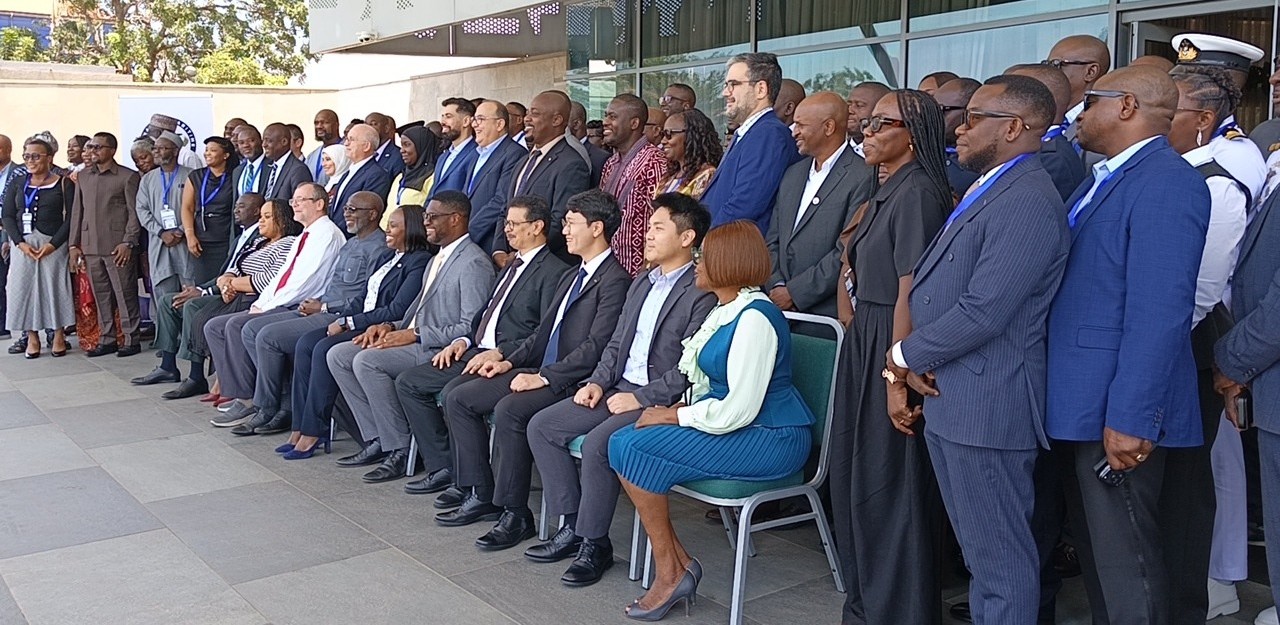
Addressing an International Maritime Organization (IMO)-World Bank workshop in Tema, Mr Sahu highlighted that many ports had digitized individual processes but failed to connect the disparate systems. This often led to shipping lines, port authorities, customs agencies, and other stakeholders inputting identical data into multiple platforms, negating the advantages of digitalization.
A Maritime Single Window, Sahu explained, offers a unified digital platform for formalities related to ships' arrivals, stays, and departures at ports. Conversely, a Port Community System interlinks the broader port and logistics community, facilitating vessel, cargo, and container movements. The two systems serve distinct yet complementary roles and should not be viewed solely as IT initiatives.
For effective implementation, Sahu stressed the necessity of clear institutional responsibilities, a supportive legal and regulatory framework, standardized data formats, and secure information exchange capabilities. He underscored the importance of involving private-sector operators, such as shipping lines, terminal operators, freight forwarders, and transport companies, as integral members of the port community.
Digital integration should extend beyond individual ports to encompass customs clearance, logistics providers, and trade corridors, fostering stronger connectivity among countries. Sahu noted that countries did not necessarily require identical digital platforms, only systems capable of interoperating via internationally recognized standards.
The workshop provided an opportunity for participating nations to exchange experiences, discuss implementation challenges, and glean insights from each other's strategies for coordinating institutions and engaging private-sector operators. Sahu stressed that the ultimate goal of digital transformation was to streamline trade, elevate port efficiency, reinforce government oversight, and amplify maritime transport competitiveness.
He urged stakeholders to prioritize collaboration, governance, skills development, and interoperability to ensure that digital platforms yield tangible benefits for port users and businesses.
Written by urgent.news from Ghana Business News's reporting — not their text. Machine-written — may contain errors; check the original before relying on it.