„Trumpflation“: Immobilienkredite so teuer wie seit 2009 nicht mehr
Der von US-Präsident Donald Trump begonnene Iran-Krieg treibt die Inflation, und in deren Gefolge die Kreditzinsen. Die negativen Folgen spüren Eigenheiminteressenten und Wohnungsbau.
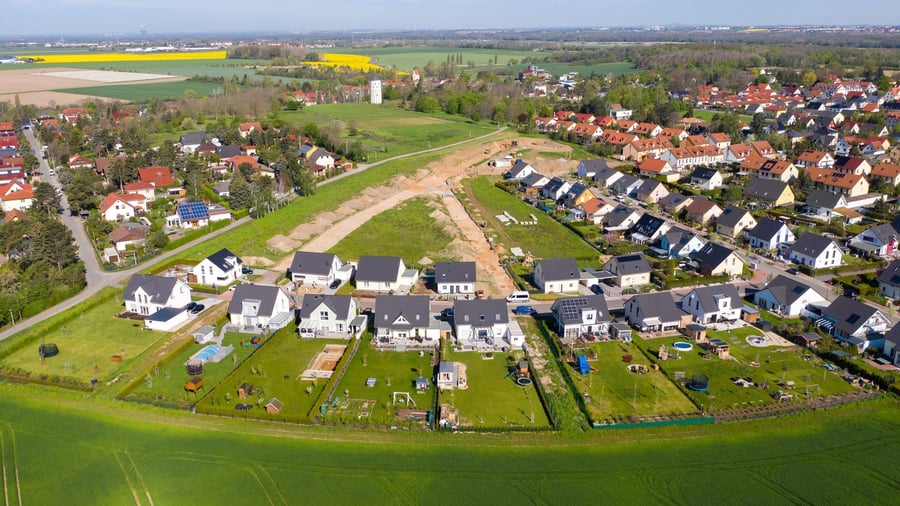
The surge in inflation and interest rates triggered by the Iran war has made home loans in Germany as expensive as they were in 2009, according to data from financing intermediary Interhyp. The average interest rate on ten-year loans currently stands at nearly 4.5 percent, up from 3.9 percent in May. This is higher than the peak interest rate of late 2023, which stood at 4.4 percent, according to Interhyp's own Zinsschart.
The recent rise in interest rates is primarily due to the resurgence of the Iran conflict and the resulting inflation concerns, according to Interhyp CEO Jörg Utecht. The European Central Bank subsequently raised its key interest rates to curb inflation, which has in turn led to a chain reaction affecting mortgage rates. Utecht believes that only a sustainable solution to the Iran conflict will bring inflation and mortgage rates back down significantly.
Higher interest rates are quickly eating into the affordability of home prices, with each percentage point increase in interest rates adding nearly €200 to the monthly payment. While this has led to some buyer hesitance, potential homebuyers still have options. Negotiating with the seller remains the most effective lever, with many sellers still holding onto the high prices from 2021 and 2022.
As interest rates climb, Utecht predicts that sellers will become more willing to lower prices, particularly in existing properties. However, the overall mood remains cautious: real estate agents are issuing fewer purchase agreements compared to previous years, according to IVD President Dirk Wohltorf. Buyers are understandably uncertain and hesitant.
Homebuilders are also feeling the pinch: tight supply due to the inflation and interest rate hike has resulted in a -3.2 percent order deficit for Bavaria's residential construction sector compared to the previous year. The order deficit for July was even worse at -8.2 percent. The construction sector expects further declines in completed projects this year.
While high interest rates are not the sole barrier to homebuying, they are a significant factor, particularly for younger individuals and families. Mortgage interest rates are not the main issue, but rather the lack of capital due to higher material and labor costs in the construction sector, as well as elevated overhead costs and extensive government regulation, according to a representative of the Bavarian Building Societies Association.
Higher interest rates have led to increased costs for building, which could result in slightly higher rents. The VdW CEO predicts a rise in private sector contributions to public housing funding, and this trend is expected to spread beyond Bavaria.
Written by urgent.news from Handelsblatt's reporting — not their text. Machine-written — may contain errors; check the original before relying on it.
Also reported by 1 other outlet
- "Trumpflation": Mortgage loans as expensive as since 2009 not more handelsblatt.com