Trump vowed to stop an ‘energy emergency.’ Then he created a real one.
The president used executive powers to boost oil and coal, but he can't fix the shortages caused by the Iran war.
On the day Donald Trump took office as the president for his second term, he declared the United States was facing a "national energy emergency." The administration before him, he claimed, had implemented "harmful and shortsighted policies" that left energy resources insufficient and contributed to high energy prices that were "devastating" for Americans.
This emergency declaration allowed Trump to expedite permits for fossil fuel development and enhance the nation's power grid using more fossil fuel resources. However, nearly two years later, as Trump prepares for the midterm elections, the claim of an emergency has taken on an ironic tone. The U.S. is currently experiencing high fuel prices, but not the one Trump anticipated when he took office.
Furthermore, the actions taken under the emergency order have proved ineffective in addressing the current crisis and lowering the prices he initially criticized upon taking office.
Gbenga Ajilore, chief economist at the Center on Budget and Policy Priorities, attributes the problem's genesis to the ongoing war in Iran. The closure of the Strait of Hormuz and the destruction of refineries and oil fields have significantly reduced the global supply of refined fuels like gasoline and diesel, making the supply crunch for these fuels even worse than that for crude oil.
Despite having extensive powers at his disposal, Trump has been unable to alleviate the prices of petroleum fuels or electricity. Although he has been able to push through specific oil projects and keep certain power plants operational, the vast and complex markets for oil and power have negated the impact of these interventions on consumer prices.
The practical implications of Trump's energy emergency declaration have affected two key aspects of the energy system - the power grid and oil and gas sector. In the power grid, Trump directed agencies to "identify and exercise any lawful emergency authorities available to them" to facilitate power generation, resulting in the department issuing emergency orders to prevent the retirement of coal plants.
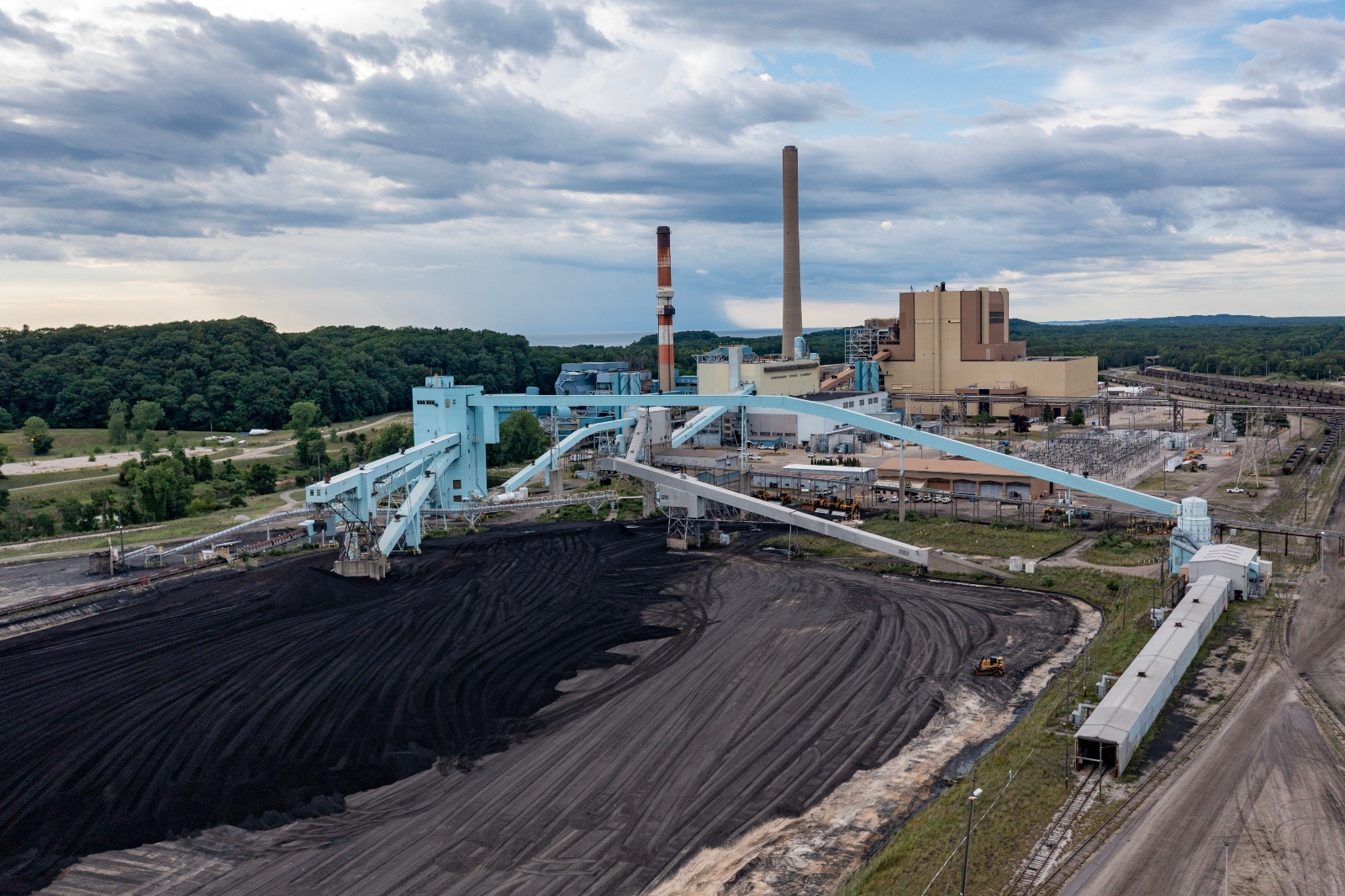
These orders have aimed to preserve grid capacity during strained conditions, although utilities seeking to shut down these plants disagreed. The costs associated with these interventions have been significant; for example, in Michigan, keeping the J.H. Campbell plant open has cost Midwest ratepayers nearly $300 million on net. The courts have begun questioning the administration's interpretation of federal law in these cases, with the recent Michigan lawsuit leading to the dismissal of an emergency order from the Department of Energy.
In the oil and gas sector, the administration sought to bypass environmental and procedural permits that had slowed down energy development, thereby accelerating the process. However, with U.S. oil and natural gas production already at near all-time highs, there was no critical shortage.
Written by urgent.news from Grist's reporting — not their text. Machine-written — may contain errors; check the original before relying on it.