Time-definite ocean delivery? Container ship completes new Arctic route trial
South Korea’s Arctic shipping trial demonstrated a faster Europe route, but commercial viability remains uncertain. The post Time-definite ocean delivery? Container ship completes new Arctic route trial appeared first on FreightWaves .
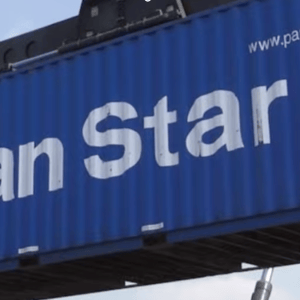
A South Korean container ship, the PanStar Acro, recently completed its first commercial round-trip to Europe via the Arctic, showcasing a potentially faster alternative to the Suez Canal. The 50-day voyage, which began on August 22 and concluded on October 11, transported cargo along Russia’s Arctic coast to Felixstowe in the United Kingdom, then called at Rotterdam and Gdansk before returning via the northern passage.
South Korean officials aim to assess the viability of regular commercial services using operational data gathered from the trial, with hopes of launching such services by 2030.
The Panama-flagged PanStar Acro reached Felixstowe in approximately 20 days, which is about 10 days shorter than the conventional Suez Canal route, according to South Korea’s Ministry of Oceans and Fisheries. President Lee Jae Myung highlighted the route’s potential in reducing sailing times and bolstering Busan’s status as an international maritime hub.
The Oceans and Fisheries Ministry plans to analyze the results of the voyage before proceeding with additional trials and potential commercial operations. The trial also presents opportunities for related industries such as shipbuilding, port management, and logistics. However, concerns remain regarding the route's cost, reliability, geopolitical risks, and environmental impacts.
Factors such as schedule dependability, extra fuel consumption, insurance premiums, and ice-related complications may negate some advantages of the shorter sailing distance. Seasonality is another constraint, as the Northern Sea Route remains accessible mainly during warmer months, and some vessels require icebreaker assistance.
Additionally, geopolitical complications arise due to Russia's involvement in the route, potentially straining relations with Western allies opposing Russia's actions in Ukraine. Environmental advocates warn that increased commercial traffic could harm the fragile Arctic ecosystem and hasten ice loss. The initiative underscores the delicate balance between exploiting the rapidly accessible route due to warming temperatures and preserving the region's environment.
Written by urgent.news from FreightWaves's reporting — not their text. Machine-written — may contain errors; check the original before relying on it.