South Africa's HPV vaccination drive to protect girls from cervical cancer is working—what we know after 10 years
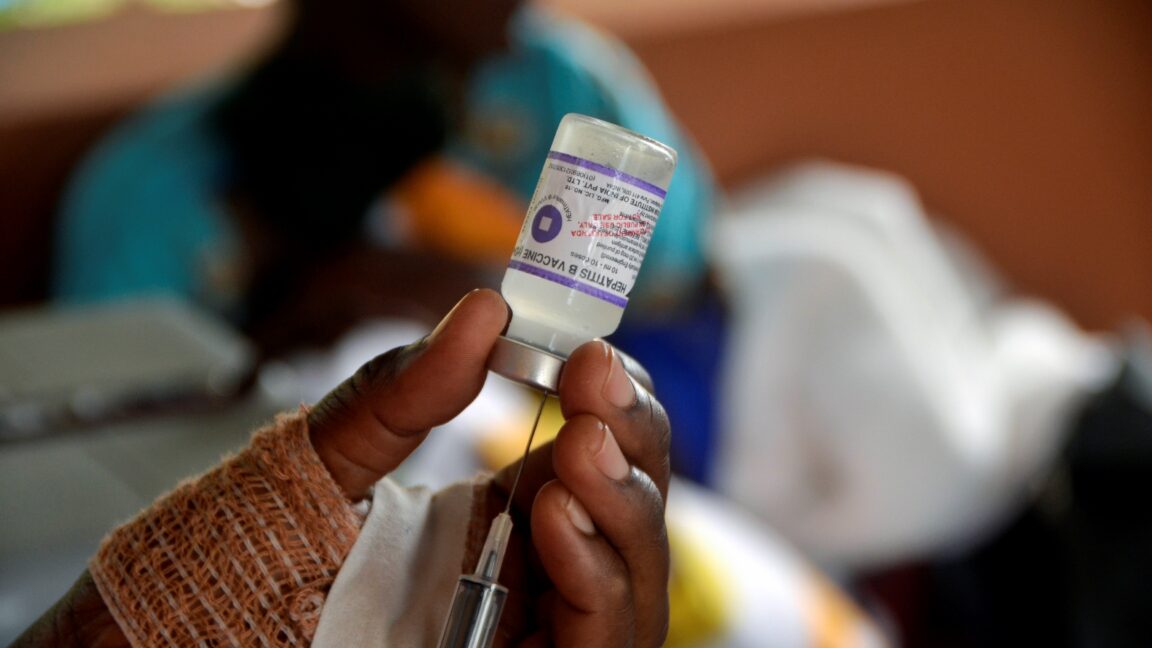
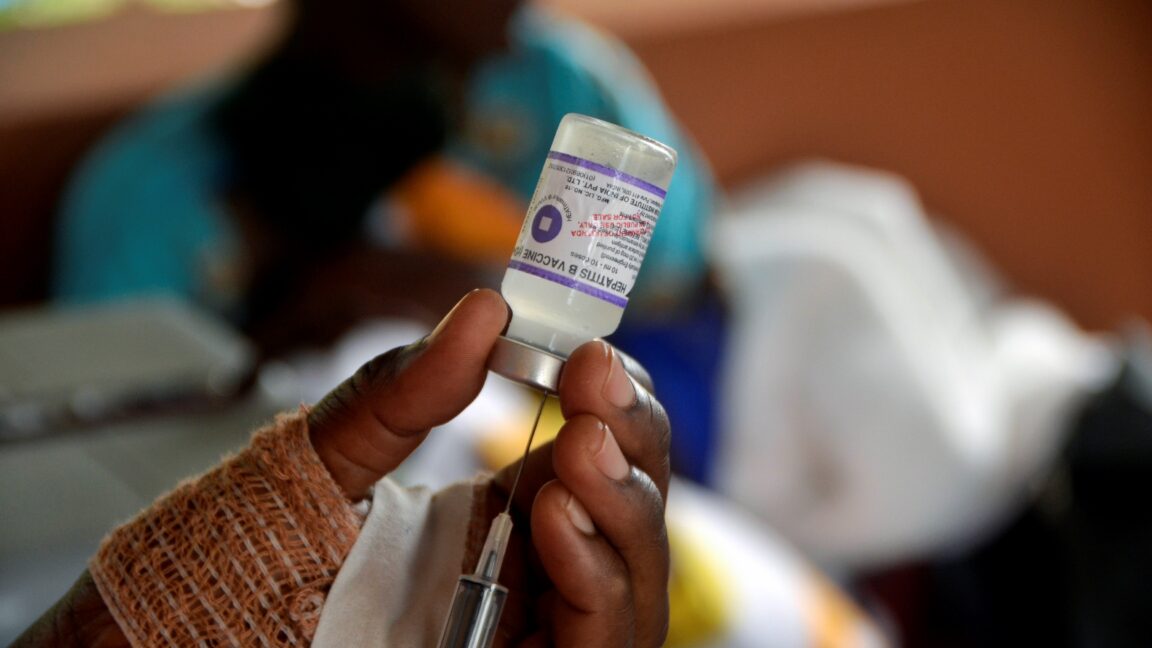
South Africa introduced a vaccination for human papillomavirus (HPV) in public schools in 2014. The program offered the vaccination to fourth-grade girls ages 9 and older. Uptake was high from the start. About 87% of eligible girls received at least one dose during the first year.

In South Africa, a vaccination program against human papillomavirus (HPV) has been effective in reducing the prevalence of HPV types 16 and 18 among adolescent girls, potentially leading to a decrease in cervical cancer cases. The program, which began in 2014, offered the vaccine to fourth-grade girls, aged 9 and older. Initial uptake rates were high, with 87% of eligible girls receiving at least one dose within the first year.
Cervical cancer is primarily caused by persistent infection with HPV, a common virus transmitted through sexual contact. HPV types 16 and 18 are responsible for around 70% of cervical cancer cases worldwide. Each year, over 660,000 women globally are diagnosed with cervical cancer, with the majority occurring in low- and middle-income countries. South Africa, which has a significant HIV prevalence, faces a particularly high risk of cervical cancer.
Research published in The Lancet Global Health evaluated the impact of the HPV vaccination program on HPV prevalence among adolescent girls in South Africa. The study, known as the HPV One and Two Dose Population Effectiveness (HOPE) study, compared HPV prevalence between girls who were too old to receive the vaccine when the program started and those who had been eligible. The findings showed that HPV 16/18 infections fell by 83% among vaccinated girls compared to pre-vaccine groups.
The program also demonstrated indirect protection, with girls who were not vaccinated or reported not being vaccinated having lower rates of HPV 16 and 18 than those in the pre-vaccine period. This suggests that widespread vaccination helps prevent the spread of the virus in the community.
The results provide evidence that South Africa's HPV vaccination program is successfully preventing infections that could otherwise lead to cervical cancer in young women. The benefits extend to adolescent girls living with HIV, a group that stands to gain substantially from effective cervical cancer prevention. In 2022, the World Health Organization recommended a single-dose HPV vaccine, and South Africa has since adopted this approach.
Continued monitoring will be crucial to ensure long-term protection, especially among people living with HIV. The program serves as a model for other countries working to prevent cervical cancer, a highly preventable form of cancer.
Written by urgent.news from Medical Xpress's reporting — not their text. Machine-written — may contain errors; check the original before relying on it.