Socialists push for EU law on deepfakes
Who owns your face and voice when artificial intelligence can copy both? Lawmakers are pushing for new safeguards, but the legal answer is anything but simple.
European lawmakers are advocating for EU-wide regulations to combat deepfakes, with the Socialists and Democrats group proposing a ban on harmful, non-consensual or deceptive deepfakes. This would require technology platforms and AI providers to prevent their spread, rather than solely relying on victims to report them. Denmark has introduced a plan to amend its copyright law to ban sharing digital replicas without consent, while Italy's Prime Minister Giorgia Meloni has applied to trademark her voice to protect against unauthorized use.
However, competing laws across borders could lead to legal confusion and hinder enforcement efforts. German S&D MEP Tiemo Wölken warns that different national solutions create legal confusion that bad actors could exploit. A recent report revealed that 50 MEPs were targeted by sexualized deepfakes, highlighting the potential harm the technology can cause.
Although certain AI-generated "nudification" apps will be covered by an update to the AI Act, the new socialist push emphasizes the need to address the broader issue of deepfakes. The S&D proposal does not specify the mechanism for implementing the ban, but some suggest following Denmark's approach of applying copyright law. Legal experts caution that creating new copyright-style protections for digital identities could backfire, potentially granting companies control over AI-generated likenesses.
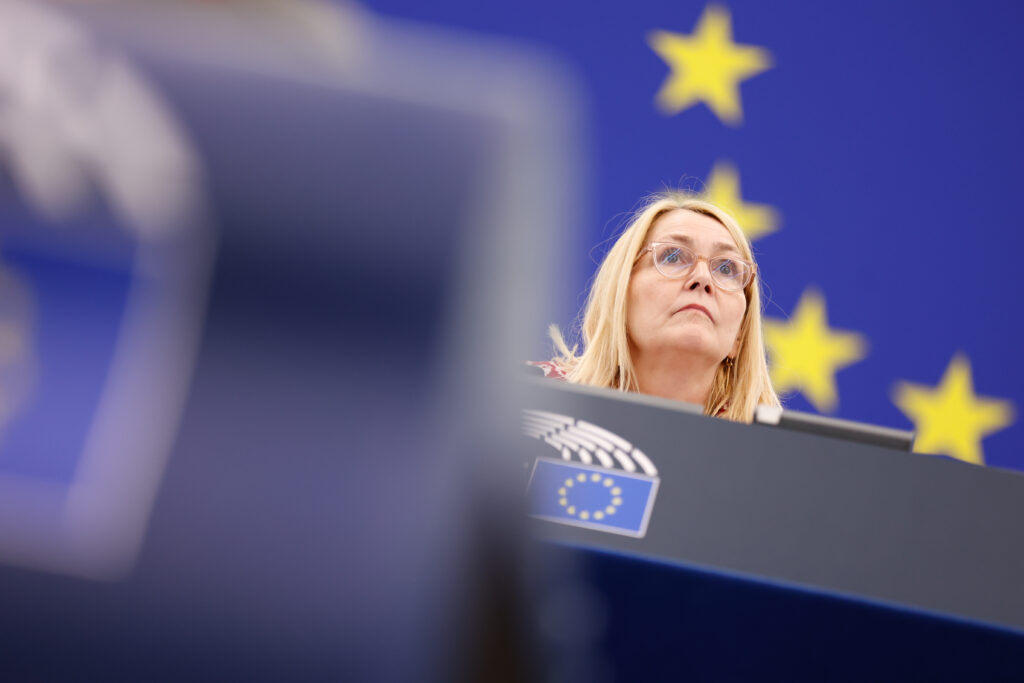
Danish Socialists and Democrats MEP Christel Schaldemose advocates for Brussels to assess whether common rules would be beneficial, while other lawmakers in Cyprus, Belgium, and the Netherlands have also proposed measures to protect people's digital identities. While existing EU rules focus on transparency and illegal content, they do not create a general EU-wide right over one's digital likeness.
Critics argue that intellectual property rights might not be the appropriate tool for addressing digital identity protections, as licensing or transferring these rights could lead to performers signing away control of their AI doubles. Danish S&D MEP Christel Schaldemose has called on the Commission to assess the value of EU-wide legislation alongside national initiatives.
Written by urgent.news from Politico EU's reporting — not their text. Machine-written — may contain errors; check the original before relying on it.