Sally Rooney Is Wrong, and So Is What’s Happening to Her
You don’t have to agree with the author and activist to see that Britain’s suppression of speech is a problem.
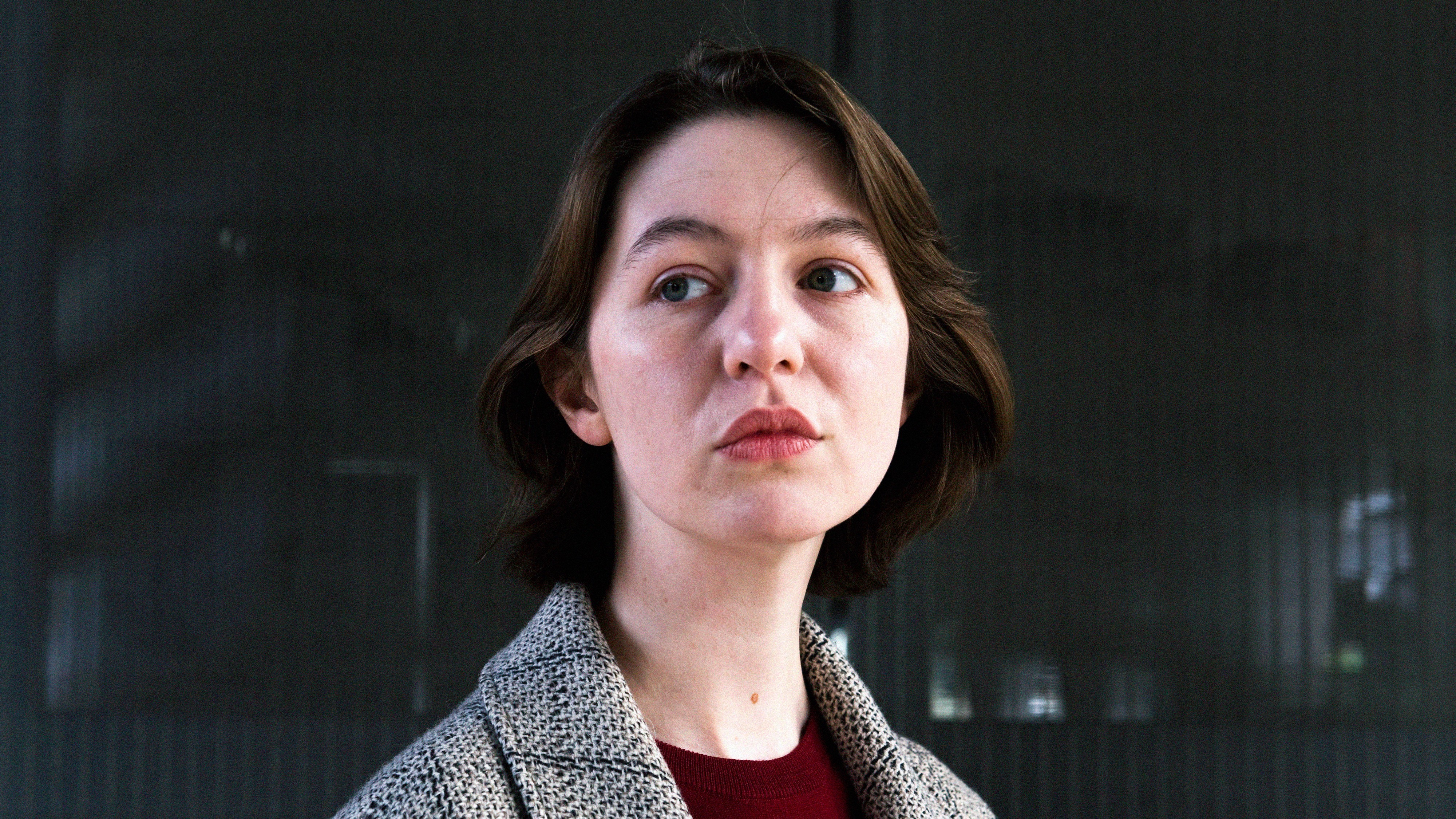
On October 14, literary publisher Faber & Faber announced they would no longer sell books by Irish novelist Sally Rooney in the United Kingdom. Rooney has vowed to donate her profits to Palestine Action, an organization that was recently outlawed by the British government. The publisher's move followed Faber's statement that it was "unconscionable" to sell a writer's work without being able to pass on earnings.
Faber's decision led to the sudden disappearance of Rooney's popular books, Normal People and Conversations With Friends, from British bookstores. Despite her status as a "voice of her generation" and an advocate for Palestine, Faber's stance sparked outrage among supporters of the Palestinian cause, defenders of free expression, and fellow writers and readers.
However, Rooney's books have not been banned outright; her author, a citizen of Ireland, has chosen to challenge the laws of another nation, the United Kingdom. The UK's Terrorism Act of 2000 makes it illegal to provide money or other property to a group "knowing or having reasonable cause to suspect that it will or may be used for the purposes of terrorism."
In this vague language, Rooney's publisher would be held responsible along with her author. Rooney's decision to donate her royalties to Palestine Action has put her publisher's hands in the pot—agreeing with Rooney's intentions. Rooney appears to be using her cultural influence to spotlight the ban on Palestine Action and put pressure on the British government to reverse it.
This situation is not a case of literary censorship but rather an act of civil disobedience aimed at achieving political goals. If Rooney had earmarked her earnings for Hamas, there would be no need for debate—she would be rightly chastised by a reasonable law. Yet, Palestine Action is not Hamas; it's a loosely organized "direct action" group of pro-Palestinian British activists whose main objective is to disrupt the transfer of weapons to Israel, often through acts of vandalism.
In the summer of 2025, Palestine Action members broke into a Royal Air Force base in Oxfordshire and sprayed red paint on two military planes, leading Britain's Labour government to designate the group as a terrorist organization. Other actions have been less dramatic but equally provocative, such as vandalizing a Jewish-owned investment business in an Orthodox neighborhood of North London and stealing and defacing Chaim Weizmann's bust from the University of Manchester.
One member even fractured a police sergeant's back by hitting her with a sledgehammer during a break-in at a weapons factory. Rooney has chosen activists who play at being terrorists but are actually criminals and, by almost any definition, anti-Semitic. Britain already has laws to deal with them. The act of lumping Palestine Action with groups like the Islamic State and al-Qaeda weakens the meaning of the word terrorism.
Worse still, the Terrorism Act has been amended so broadly that anyone expressing support for a proscribed organization in a "reckless" manner could be arrested. Consequently, hundreds of protesters have been detained in the past year for holding up placards that say "I Oppose Genocide" and "I Support Palestine Action." Even the Home Office has reported a staggering 1,553 percent increase in arrests for terrorism-related activities since the ban on Palestine Action was imposed.
If Rooney's withdrawal of her immensely popular novels can encourage British Parliament to amend the law and broaden the permissible speech of political activists, she will have made a significant contribution to freedom of expression. However, there is no indication that this is her primary objective or that she cares much about free speech.
Rooney has emerged as a prominent advocate for the cultural boycott of Israel, including writers and publishers who fail to meet her strict criteria for complete separation from the state where they were born and reside. She refused to allow the translation of her most recent books into Hebrew until she found an Israeli publisher that supports the boycott movement.
The purpose of a boycott is to ostracize its targets, making it difficult or impossible for them to maintain a normal public existence. For writers, this means being silenced. Rooney's commitment to free speech is demonstrated by her willingness to silence those who support her cause, highlighting the true test of a commitment to free speech.
Written by urgent.news from The Atlantic's reporting — not their text. Machine-written — may contain errors; check the original before relying on it.