openEuler brings China's enterprise Linux ambitions to the desktop
CentOS roots give way to homegrown containers, AI tools, and a workstation edition we took for a spin
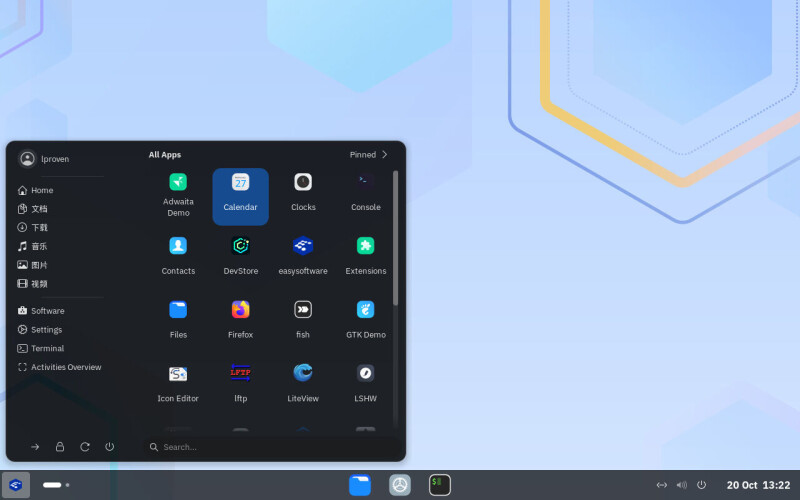
openEuler, a free community version of Huawei's EulerOS, has been making waves in the enterprise Linux space. Initially a Huawei project, it has since been opened up and is now managed by the OpenAtom Foundation, a consortium of major Chinese companies including Alibaba, Baidu, Tencent, and Inspur. Although Inspur's K/UX distro had achieved UNIX certification in the past, it ceased after the US placed sanctions on Huawei in 2019.
The shift in focus and the expiration of K/UX's UNIX certification led to closer cooperation among Chinese Linux projects, with openEuler benefiting from this environment.
The openEuler community has developed its own stack of tools for developing, deploying, and running large language models (LLMs), called Intelligence BooM. It also offers a tool for migrating CentOS Linux systems to openEuler, named x2openEuler. openEuler supports popular technologies like Kubernetes, Docker, and Podman, as well as its own container engine, iSula.
Despite being less known outside Asia, openEuler has been actively developed, with a dual-strand release cycle similar to Ubuntu, featuring both LTS versions and more frequent innovation releases.
The current LTS version is 24.03, released in June 2024, while the latest version is 26.09. The platform supports multiple architectures, including x86-64 and 64-bit Arm, with LTS versions adding support for RISC-V and LoongArch. Installation options include various ISO types, such as Offline Standard, Offline Everything, Network Install, and Desktop versions.
The GNOME 49 desktop, featuring a Chinese language configuration and preinstalled language options, allows users to navigate the system with some familiarity. openEuler's growth demonstrates its resilience even in the face of western disengagement.
Written by urgent.news from The Register's reporting — not their text. Machine-written — may contain errors; check the original before relying on it.