On paddy field conservation in Keralam
Neglecting paddy fields as a socio-ecological system that regulates local biodiversity, the hydrological cycle, and microclimate constitutes a grave failure, amid rising food insecurity and floods
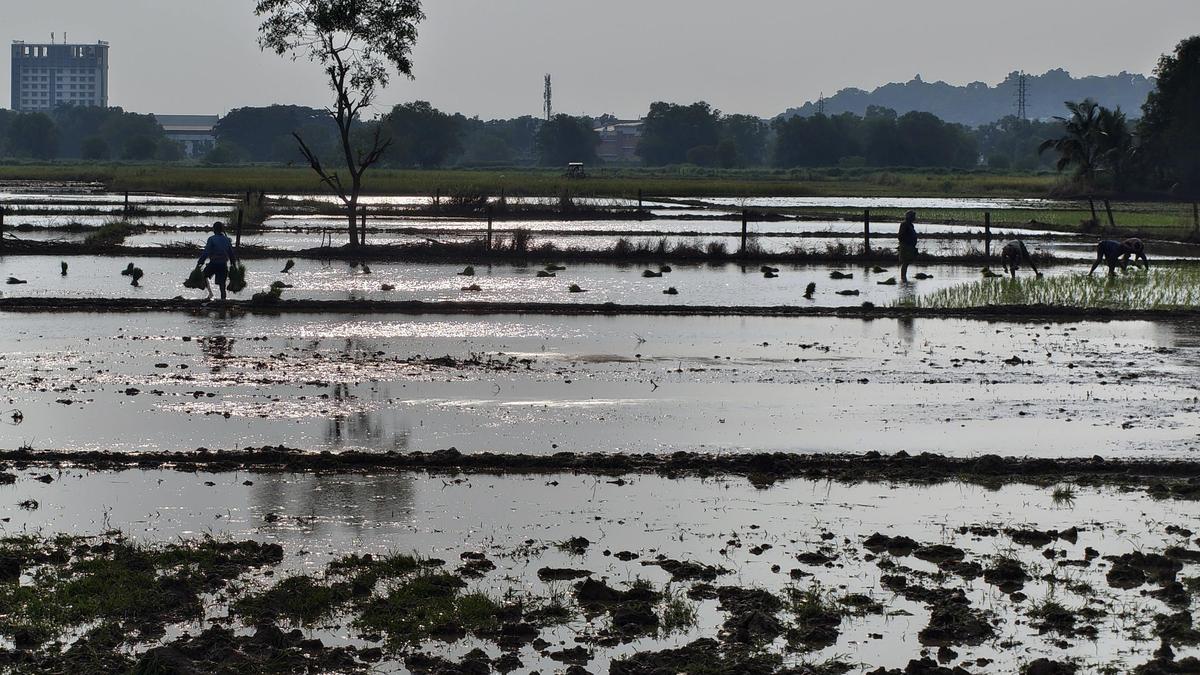
In the southern Indian state of Keralam, the gradual erosion of paddy fields poses a significant threat to the region's biodiversity, hydrological cycle, and microclimate. Despite the enactment of the Kerala Conservation of Paddy Land and Wetland Act (KCPWA) in 2008, the decline of these critical agricultural lands continues unabated.
The reasons for this decline are multifaceted. Between 1974-75 and 2024-25, the number of paddy fields shrank by 80%, from 8.82 lakh hectares (ha) to 1.76 lakh ha. This reduction is attributed to factors such as crop shifts, urbanization, developmental needs, and a speculative land market.
The KCPWA, while recognizing the ecological value of paddy fields, has been subject to a process of legal dilution. Amendments to the law in 2015 added Section 3A, which allowed for the regularization of unauthorized paddy field conversions prior to 2008, provided a nominal fee was paid. This amendment contravened previous circulars that had set 1998 as the cut-off year for implementing conservation norms, thereby legitimizing reclamation activities that occurred between 1998 and 2008.
Furthermore, in 2016, a state notification removed Section 3A from the KCPWA without acknowledging the regularization cases during the amendment period. This action created a legal loophole, as there is currently no verifiable databank of paddy fields to verify land status in many districts. Consequently, the KCPWA's amendments and subsequent revenue circulars are facilitating the conversion of unnotified land (paddy fields in revenue records but not included in the databank) for residential, commercial, or other purposes.
The Department of Revenue, which became the primary monitoring authority following the KCPWA's enactment, plays a dual role as both a conservator and a revenue generator from paddy field regularization. This conflict of interest creates a structural dilemma, as the department earns up to ₹1,606 crore through paddy field conversion. Enforcement of the conservation law remains constrained due to this regulatory conflict.
Multiple departments, including the Department of Agriculture and the Department of Revenue, were historically responsible for monitoring non-agricultural land use until 2002. However, the Department of Revenue took over this role after the KCPWA's implementation. The department's dual mandate has led to a situation where revenue generation from paddy field regularization conflicts with the conservation objectives of the law.
Soil tests conducted in Kuttanad paddy fields, Kerala's rice bowl, have revealed alarming levels of aluminum. Concentrations range from 39 to 165 times above safe limits, primarily linked to increasing soil acidity that threatens crop health and the livelihoods of local farmers. Despite these concerns, the KCPWA's databank process remains incomplete, leaving no reliable data source to verify the land status in many districts.
This administrative failure has become a legal loophole, as the KCPWA's amendments and revenue circulars facilitate the conversion of larger extents of unnotified land for non-agricultural purposes.
Written by urgent.news from The Hindu's reporting — not their text. Machine-written — may contain errors; check the original before relying on it.
This story
This is one outlet's version. Read the fullest account.
- On paddy field conservation in Keralam thehindu.com