Not every infrastructure problem is Putrajaya’s responsibility, says academic
UMS lecturer Ramli Dollah says the ninth schedule to the Federal Constitution outlines the powers and jurisdiction of each level of government.
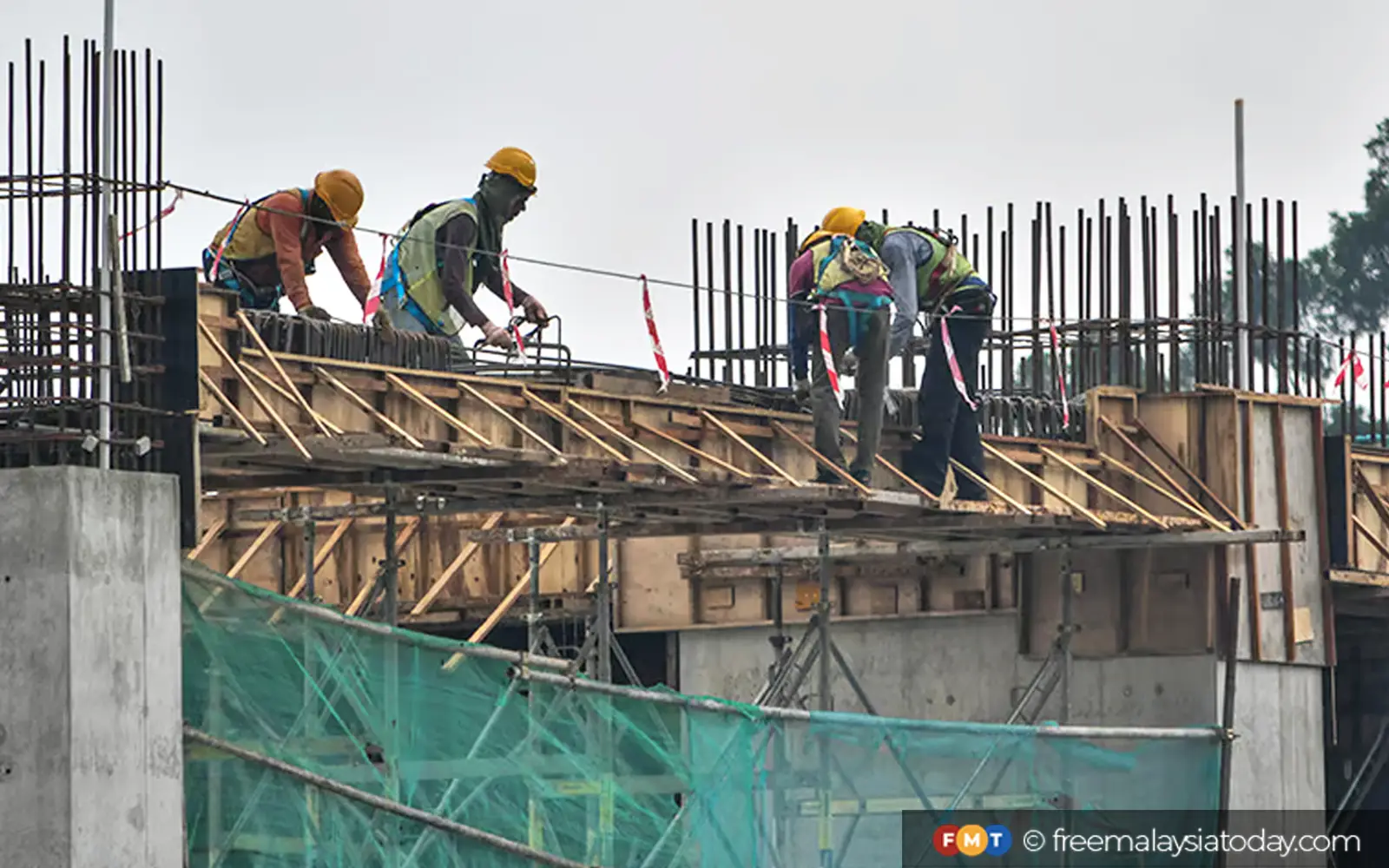
Despite the federal government providing RM10.5 billion in grants to states for infrastructure this year, up from RM10.3 billion in 2025, not every infrastructure issue can be attributed to the national government alone, according to academic Ramli Dollah. The division of responsibilities between federal and state governments is clearly outlined in the Federal Constitution's ninth schedule, which includes lists for federal powers, state responsibilities, and concurrent matters that fall under both jurisdictions.
Ramli explained that while federal government oversees matters like defence, education, and health, states handle areas such as land, agriculture, and local governance. Similarly, water supply issues are shared responsibilities, with state jurisdiction over water resources, but federal involvement in water services and supply in the peninsula and Labuan since a 2005 constitutional amendment.
For instance, roads are another clear example of divided responsibility. Federal roads are managed by Putrajaya, while state roads are under respective state governments. Some roads fall under local authority management. However, this does not mean all costs are borne solely by state resources. The federal government provides funding through grants like Marris for state road maintenance, channeling RM5.6 billion into this cause for 2026.
Water supply is another area where the split incentive can occur, where the entity providing capital for infrastructure development does not directly benefit from the investment's return. When considering the scale of a problem, Ramli suggested that the public should assess whether the issue affects a wider supply chain or is more localized, as this can determine which party has a closer connection to the problem.
Sabah and Sarawak, the two East Malaysian states, enjoy additional powers in certain areas due to a unique arrangement in the 1963 Malaysia agreement. These states have a supplementary list to the standard state and concurrent lists, granting them greater autonomy. In 2026, Sabah and Sarawak received the highest federal development allocations.
Despite this, their spending rates remained relatively low due to slow project implementation, often attributed to factors like land acquisition, logistical challenges, difficult terrain, and poor coordination between agencies, rather than a lack of federal funding.
Written by urgent.news from Free Malaysia Today's reporting — not their text. Machine-written — may contain errors; check the original before relying on it.
This story
This is one outlet's version. Read the fullest account.
- Not every infrastructure problem is Putrajaya’s responsibility, says academic freemalaysiatoday.com