NKATI seeks lower interest rate
KARACHI: President of the North Karachi Association of Trade and Industry (NKATI), Faisal Moez Khan, has urged the government and the State Bank of Pakistan (SBP) not to increase interest rate in the upcoming monetary policy, keeping in view the potential economic repercussions of rising tensions in the Gulf region. He said that an increase in interest rate would negatively affect business…
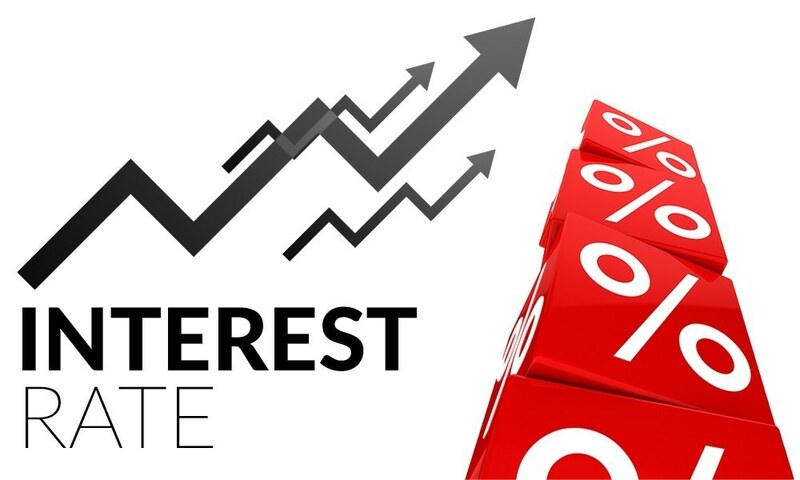
Karachi: The leader of the North Karachi Association of Trade and Industry, Faisal Moez Khan, has appealed to the government and the State Bank of Pakistan to refrain from raising interest rates in the next monetary policy update. Khan expressed worry that higher interest rates could harm business operations, industrial output, and exports.
He stressed the importance of carefully analyzing the effects of escalating tensions in the Gulf on Pakistan's economy, particularly regarding energy prices, import expenses, industrial output, and exports. Khan stressed the necessity of implementing appropriate action to guarantee uninterrupted business operations. He pointed out that a large portion of Pakistan's economy is dependent on energy availability, imported fuel costs, and global trade circumstances.
A protracted Gulf crisis could result in changes in oil prices overseas, freight rates, and supply chains, which would have a direct influence on Pakistan. This might raise the expenses of industrial production and produce business planning uncertainty. Khan further stated that the industrial sector is already dealing with numerous issues, including high energy expenses, growing operating costs, and fierce rivalry in global markets.
In light of these conditions, Khan urged the government to consult industrial and trade representatives in order to evaluate potential economic risks and put policies in place that safeguard production activities, employment, and exports. He underscored the need for proactive planning in terms of energy supplies, imports, and alternate energy sources given the shifting regional circumstances.
Khan highlighted the significance of efficient energy utilization, renewable energy promotion, and providing essential facilities to industrial enterprises in order to mitigate the effects of external economic shocks. He emphasized the need for close collaboration between the government and the business community in light of the current circumstances.
Maintaining stability in economic policies, introducing business-friendly measures, and making choices that address the needs of the industrial sector would help maintain business confidence and create chances to expand export capacity. Khan stressed that maintaining a favorable business environment for industries is crucial for the national economy.
Relevant government agencies and industrial organizations should strengthen collaboration to address the issues faced by industrial enterprises, lower production costs, and promote business activities. Khan emphasized that the situation in the Gulf region should not be regarded as merely a foreign policy matter; its potential economic repercussions must also receive appropriate attention.
Through timely evaluations, effective diplomatic efforts, improved energy management, and suitable assistance for industry and trade, Pakistan can better withstand potential economic pressures arising from regional tensions.
Written by urgent.news from Business Recorder's reporting — not their text. Machine-written — may contain errors; check the original before relying on it.