Nigeria’s parks chief stresses conservation gains amid struggle to protect wildlife
Nigeria has scored a significant conservation victory with the closure of a major illegal gold mine near Gashaka-Gumti National Park, the country’s largest national park, according to National Park Service Ibrahim Musa Goni. An estimated 4,000 miners have been driven from the Kila mining area following an operation involving the National Park Service, the Nigerian […]
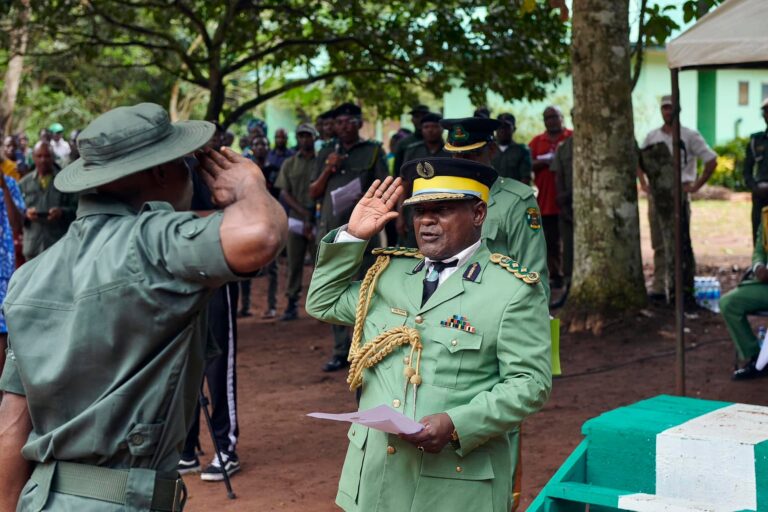
Nigeria has achieved a notable conservation win by shutting down a major illegal gold mine near Gashaka-Gumti National Park, the country's largest protected area, according to National Park Service chief Ibrahim Musa Goni. The operation, which involved the Nigerian military, state governments, and conservation partner African Nature Investors (ANI), forced an estimated 4,000 miners out of the Kila mining region.
However, Goni acknowledges the challenge persists as the gold remains beneath the surface, and the miners could potentially return. "There is a tendency the miners might come back," he told Mongabay.
Goni, who has presided over the National Park Service since 2017, considers the Kila operation one of his proudest accomplishments. He believes this approach could be replicated in other Nigerian parks grappling with illegal mining and insecurity. Nevertheless, the fight to safeguard these ecosystems has been fraught with difficulties.
Rangers have been injured and even killed while confronting illegal miners and armed factions. Moreover, insecurity has led to the suspension of tourism in certain areas of Kainji Lake and Chad Basin national parks.
Despite these challenges, Goni maintains that 13 of Nigeria's 17 national parks continue to function as intended, even in regions where access has become perilous. The article, originally published on Mongabay, raises further questions about the future of the thousands of miners who have lost their livelihoods and the long-term viability of maintaining these protected areas amidst ongoing threats.
Written by urgent.news from Mongabay's reporting — not their text. Machine-written — may contain errors; check the original before relying on it.