New study suggests touch is a key ingredient in dogs’ stress-buffering power
Petting a dog after a stressful task didn’t speed recovery, but in a new experiment it was followed by calmer brain and heart responses when dog owners faced a second stress test soon after.
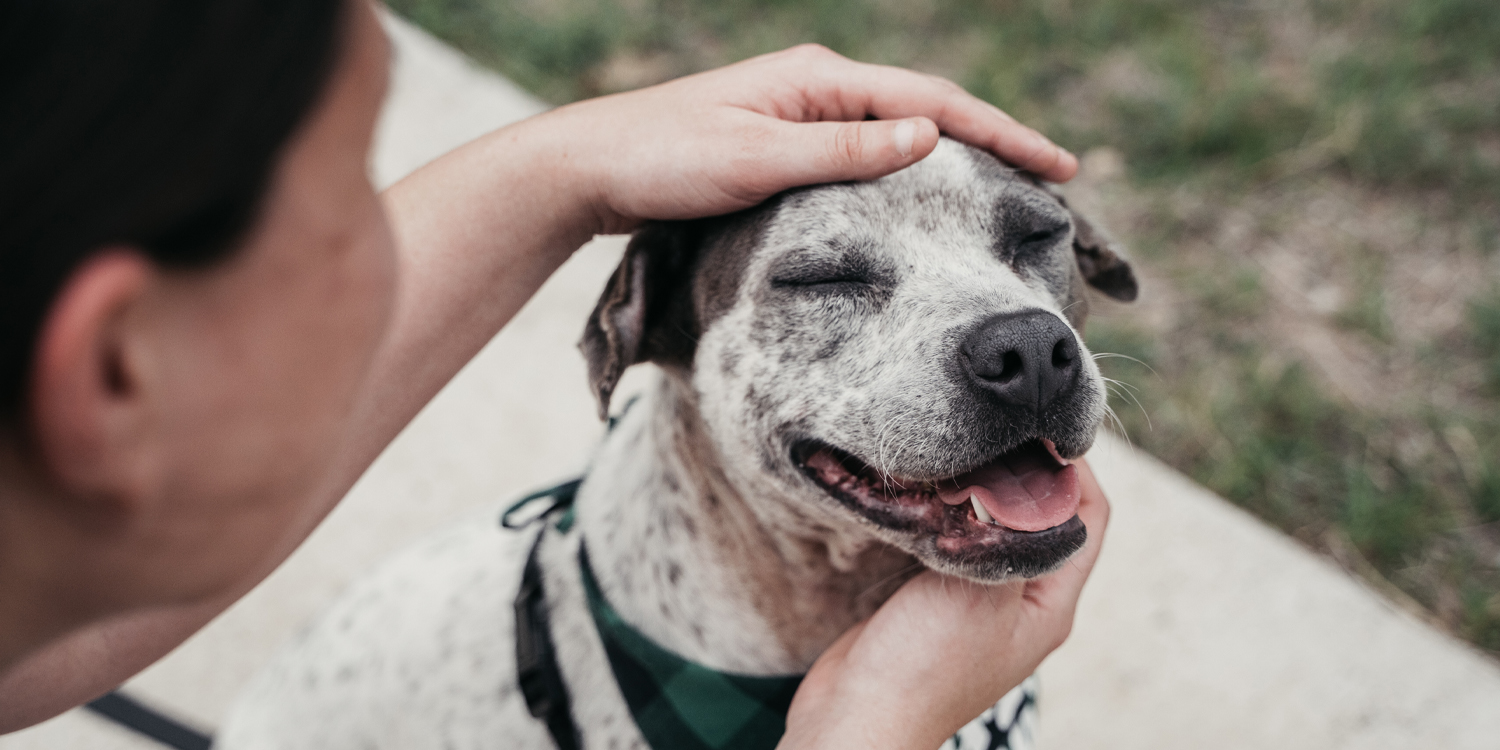
A recent study published in Biological Psychology suggests that petting a dog after a stressful experience may help the body better cope with future challenges. Researchers found that dog owners who physically interacted with their pets after completing a high-pressure mental task exhibited calmer brain and heart responses during a subsequent stressor.
However, simply sitting near the dog, making eye contact, or talking to it without touching it did not produce the same protective effect. Psychologists refer to this phenomenon as "stress buffering," which involves supportive social contact that softens a person's physical and emotional reaction to difficult situations. While human touch has been shown to be a primary driver of this protection, researchers wanted to determine if the same benefits could be achieved through touch with a pet.
To investigate, scientists recruited 64 White European adults and their dogs to participate in a laboratory study. Participants underwent two experimental blocks: one involving physical touch with their dog during a recovery period following a stress test, and another where the dog was restrained and touch was not possible. During the stress test, participants completed a rapid-fire general knowledge quiz and a counting backward task while being recorded on video.
The researchers then measured brain activity, heart rate, heart rate variability, and mood during both the resting and stress phases. They found that the mental test induced stress across multiple bodily systems. Both the touch and no-touch blocks produced significant stress, but the touch block resulted in calmer brain and heart responses during the subsequent stressor.
These findings suggest that physical touch with a pet may play a crucial role in stress buffering, providing a potential therapeutic intervention for managing stress in daily life.
Written by urgent.news from PsyPost's reporting — not their text. Machine-written — may contain errors; check the original before relying on it.