Market Wrap: Oil prices surge again, while tech leads stock market losses
Global stock markets come under pressure as investors question the profitability of the AI boom, oil prices surge on supply fears and violent cost-of-living protests rattle Europe’s bond markets.
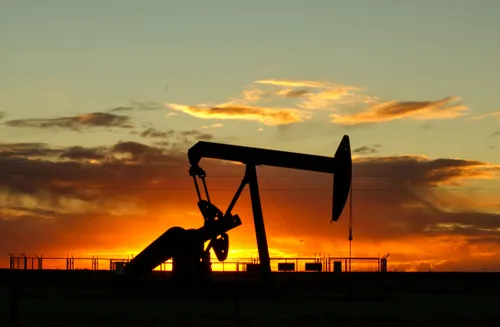
Tuesday saw technology firms drive losses across stock markets as fears grew about the AI investment boom ahead of earnings reports. Google disclosed serious network disruptions affecting its Cloud services in London, particularly impacting UK banks. Oil prices surged due to concerns over potential supply disruptions ahead of the northern hemisphere winter, with West Texas Intermediate crude jumping over five percent to $105.92 per barrel.
Brent North Sea crude rose 0.2 percent to $109.67 per barrel. Wall Street opened lower amid volatility in AI shares, as investors digested mixed earnings from industrial companies. Steve Sosnick of Interactive Brokers noted ongoing concerns about AI profitability, despite traders' habit of buying during dips. The S&P 500 and Nasdaq Composite Index both lost a few percentage points, while the Dow gained 0.3 percent.
The momentum did not translate to Asian markets, where AI-related stocks faced renewed pressure. In Europe, London, Frankfurt, and Paris saw declines around half a percent. Asian markets, particularly Seoul and Tokyo, experienced significant selling as chip giants SK hynix, Samsung, and Kioxia plummeted following a sharp sector-wide exit.
South Korea's Kospi index dropped nearly four percent, with SK hynix falling 4.2 percent and Samsung three percent. Data center infrastructure firm Elice's shares plummeted over 30 percent upon its trading debut. The euro remained stable against the dollar but faced pressure due to violent cost-of-living protests in France and Italy, driving up government bond yields.
France's 10-year bond yield surged to 4.94 percent, significantly higher than Germany's comparable bond at 4.74 percent, marking the highest spread since January 2012, when the eurozone was grappling with a credit crisis.
Written by urgent.news from IOL's reporting — not their text. Machine-written — may contain errors; check the original before relying on it.