Macron secures 200,000 tonnes of extra diesel per month from UAE, Bahrain
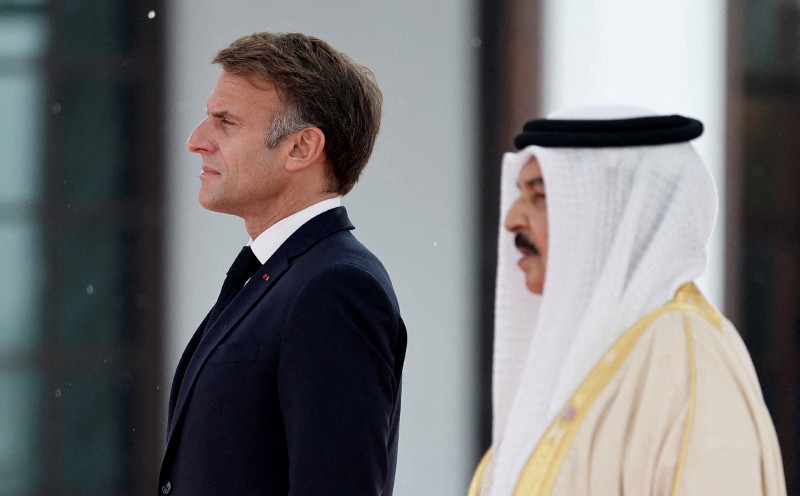
MANAMA: French President Emmanuel Macron has secured the delivery of an additional 200,000 tonnes of diesel per month from the United Arab Emirates and Bahrain during a tour of the Gulf, the French presidency said on Tuesday.
French President Emmanuel Macron has secured an additional 200,000 tonnes of diesel per month from the United Arab Emirates and Bahrain during his Gulf tour, according to the French presidency. He obtained commitments for around 100,000 tonnes monthly from the UAE, with another 100,000 tonnes expected from Bahrain. With the inclusion of Saudi Arabia's deliveries, France now has commitments for 295,000 tonnes per month, accounting for over 10 percent of its consumption.
Macron's trip to the Gulf aimed to secure oil and diesel, lowering prices amid soaring living costs, following violent protests. During his visit, Macron was welcomed in Manama by crowds waving Bahraini and French flags. The journey also included stops in the UAE, Kuwait, and Qatar, all affected by the US-Iran war since February.
Crude oil prices have skyrocketed due to the conflict, with diesel prices hit hardest. The G7, led by France, agreed to draw up to 100 million barrels of oil from strategic reserves to alleviate pressure. Kuwait has also committed to delivering diesel and kerosene to French overseas territories in the Indian Ocean via Oman. Experts doubt the shipments will impact prices due to the risk of renewed fighting in the region.
Talks are ongoing with regional countries to reduce maritime insurance costs, facilitating greater quantities' shipping through the Strait of Hormuz. French oil giant TotalEnergies' head, Patrick Pouyanne, expressed satisfaction with the secured diesel amount, assuring the French that they won't run out of diesel in February. France has also released 10 million barrels of diesel from its reserves to lower prices by 12 to 18 cents, or five to eight percent, starting the following month.
Written by urgent.news from New Straits Times's reporting — not their text. Machine-written — may contain errors; check the original before relying on it.