Local elections: Coalitions are here to stay
Next month's elections are unlikely to produce dramatic political realignment, but they could reinforce a new era of shared governance.
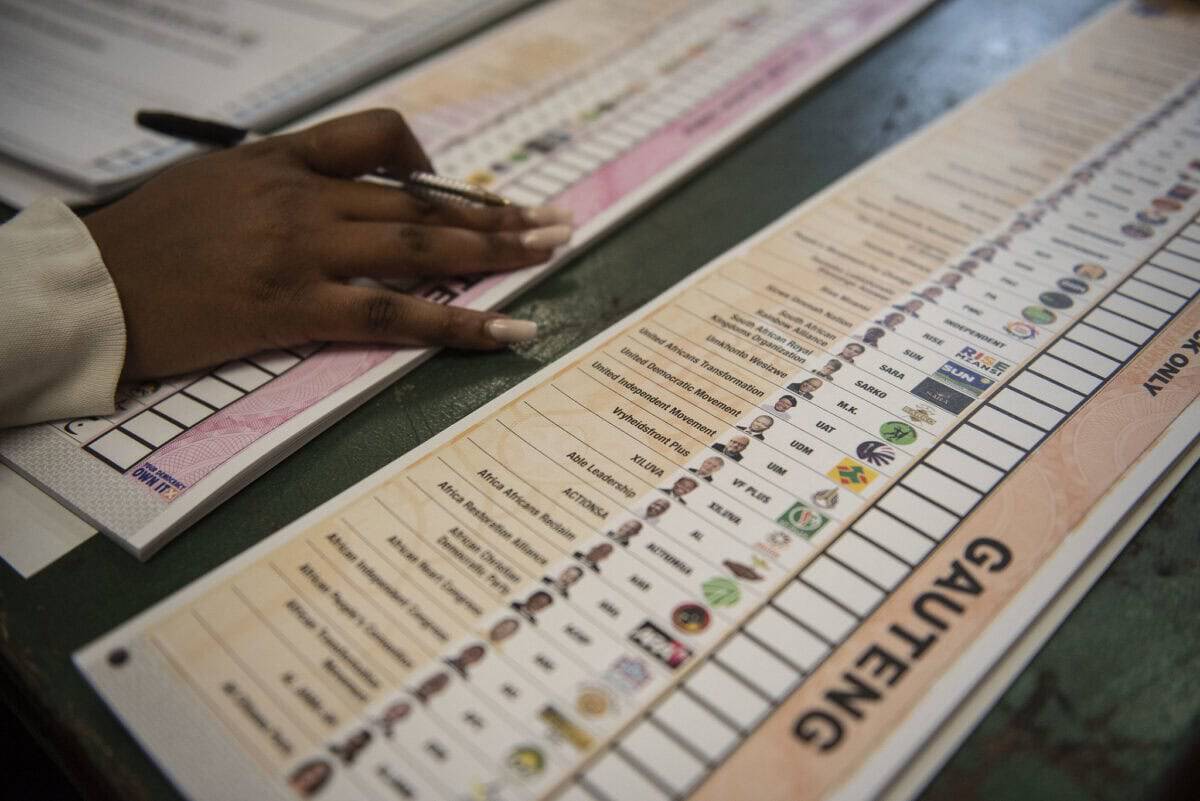
South Africans will head to the polls on November 4th, with the local government elections potentially marking a significant turning point, though not necessarily due to a dramatic national realignment. Analysts describe these elections as the "most significant since democracy," yet significance often stems from stability, not uncertainty. The main contest is expected to be less about a sudden shift and more about the ongoing trend of coalition government becoming the norm.
Voters may penalize political parties for poor service delivery, internal strife, and ineffective leadership, but dissatisfaction alone does not guarantee a single party's ability to govern independently. Consequently, a mixed outcome is likely. The governing party will probably maintain a strong presence nationwide, albeit with diminished influence in key urban areas.
The Democratic Alliance (DA) is anticipated to remain competitive in municipalities where it has built organizational strength and a proven track record of governance. Other parties, including the Economic Freedom Fighters (EFF) and smaller regional groups, are likely to retain enough support to influence coalition formation, even if they do not secure outright victories.
The period following the election will be as crucial as Election Day itself. Parties will need to demonstrate whether their campaign pledges were mere rhetoric or if they are willing to compromise for the public good. Coalition politics are not inherently unstable; they become so when parties view them merely as a means to secure positions rather than as commitments to deliver essential services.
South Africans have experienced the drawbacks of immature coalition politics, such as fluctuating alliances, attempts to remove mayoral appointments, and councils struggling with consistent decision-making.
eThekwini, the metro where uncertainty appears most concentrated, will likely witness a new dynamic due to the introduction of the uMkhonto weSizwe party. This party's performance could reshape the balance of power among existing formations and prompt a reassessment of current alliances. While it may not emerge as the leading party, even a substantial presence could render it a crucial coalition partner.
This potential will spur established parties to intensify their efforts to secure support in KwaZulu-Natal. However, a fragmented result in eThekwini would not inherently lead to improved governance; it would merely present an opportunity for better administration.
On Election Day, South Africans will vote for councillors. In the days following the polls, parties will determine whether they have earned the responsibility of governing together. The country does not require perfect harmony; it needs mature disagreements, robust institutions, and coalitions grounded in the everyday tasks of local government management. Without this essential foundation, the more things change, the more citizens will find themselves ensnared in a cycle of empty promises, instability, and disappointment.
Written by urgent.news from The Citizen's reporting — not their text. Machine-written — may contain errors; check the original before relying on it.