Let’s not be in denial — disenfranchisement in real
Surjit Bhalla's recent article in The Economic Times (October 17) prompts a reexamination of whether India's Special Intensive Revision (SIR) has led to widespread disenfranchisement. Bhalla argues that this is "Much Ado about (almost) Nothing", as unfair exclusion may be only one-twentieth of what critics claim. Much of the conversation around the SIR has centered on the exclusions from the voter lists, with critics citing the deletion of 13.3 crore names from pre-SIR voter lists as evidence of disenfranchisement.
Supporters of the SIR point to inflated existing lists and argue that the deletions involve names deemed Absent, Shifted, Dead or Duplicate (ASDD).
However, an alternative approach to assessing the impact of the SIR is to compare the post-SIR voter lists with official estimates of the eligible adult population for voting. The Election Commission of India (ECI) uses these population estimates to gauge the effectiveness of its voter lists. Comparing the post-SIR voter lists with these population estimates reveals that the charge of disenfranchisement is indeed valid.
For instance, the combined voter lists for nine major states fall short of the adult population by over 7 crore, representing nearly 12% of the eligible voting population. In Uttar Pradesh alone, 2.8 crore individuals are excluded, accounting for more than 17% of its adult population.
If the average exclusion rate of 12% observed in these nine states is indicative of the national trend, the total number of excluded adults or "missing voters" could reach around 12 crore. Forecasts from the ongoing third phase of the SIR suggest this figure may be even higher. The draft SIR lists, released for all states except Himachal Pradesh and Jammu and Kashmir, indicate much higher exclusion rates during the draft stage.
Assuming these draft lists undergo comparable corrections as in the previous phases, the final post-SIR voter list for the entire country could be as low as 87.8 crore, based on estimates by Rahul Shastri, excluding any potential rectifications by the ECI.
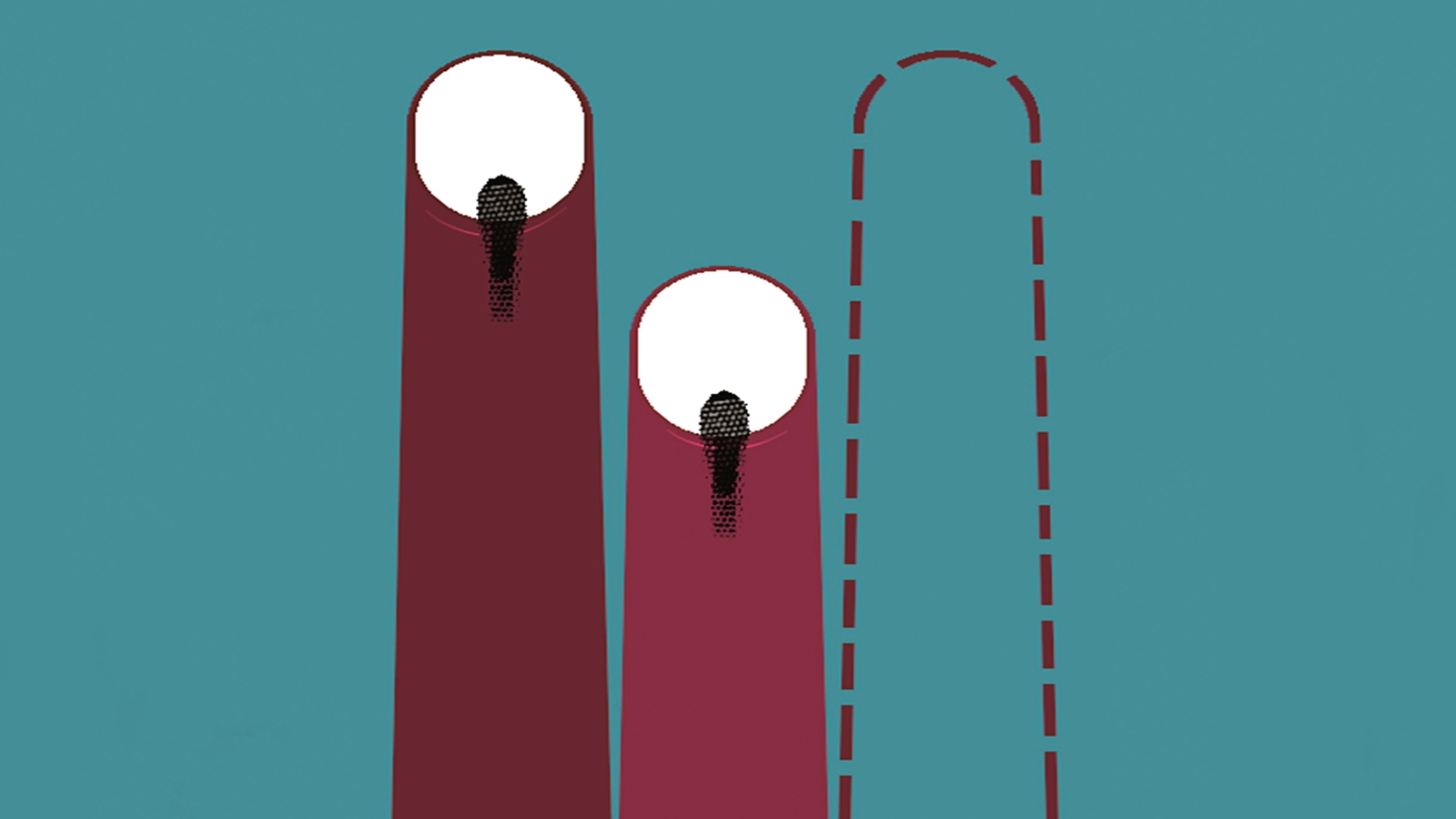
This discrepancy translates to approximately 14 crore "missing voters" in India—eligible adults excluded from the final electoral rolls. These disenfranchised voters include those who were on the pre-SIR list but erroneously removed and individuals who should have been added but were not. Bhalla acknowledges the significant discrepancy between the adult population and the voter list.
However, he contends that we should not expect the voter list to perfectly match the adult population, highlighting a high under-enrollment of young adults in 2024—up to 7.5% of the total adult population. He posits that this deficit represents voluntary non-registration. By adding a percentage point for a similar deficit among other age groups, Bhalla arrives at a benchmark of 8.5% for normal shortfall. He asserts that exclusion rates exceeding this benchmark should be deemed excessive or unfair.
While there are valid points to Bhalla's arguments, such as the critical importance of voter ID in modern India and the fact that voluntary non-registration is not commonly recognized, I disagree. In a state-initiated system like India's, voter registration deficiencies are primarily the responsibility of electoral officials, not a simple shortfall.
A special revision of the voter list should prioritize addressing these issues, as it has in some previous years. Even adopting Bhalla's inflated benchmark of 8.5% for voluntary non-registration in Uttar Pradesh would still leave over 14 million individuals unfairly excluded. This stark contrast with Bhalla's claim of 7 million exclusions in these nine states alone is difficult to reconcile with his argument that the exclusion is trivial.
Bhalla's defense of the SIR's impact on disenfranchisement borders on dismissing the magnitude of the issue, likening a large-scale exclusion to skipping meals unnecessarily.
Written by urgent.news from The Indian Express's reporting — not their text. Machine-written — may contain errors; check the original before relying on it.